
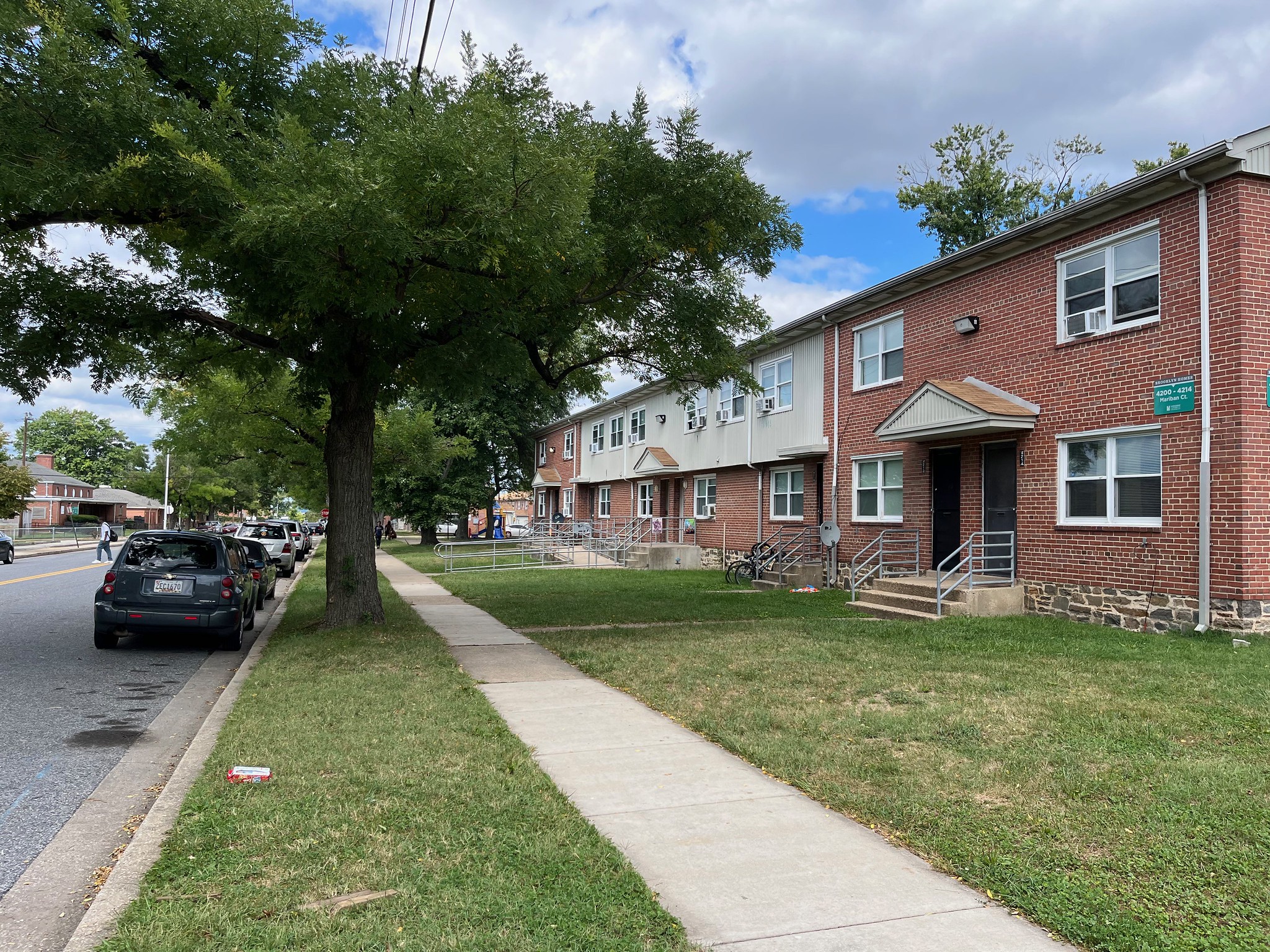
Across the country, communities are grappling with the same tension: how to create more housing without losing the places, people, and character that make neighborhoods worth living in. For many years, building new in a sprawling manner was seen as the ticket – just build more. But research shows that the fastest and cheapest way to keep our affordable housing stock is to rehabilitate and maintain existing housing units. That’s why the 21st Century ROAD to Housing Act (H.R. 6644), working its way in Congress right now, is so exciting. Rather than taking a one-size-fits-all approach, it recognizes that housing challenges are interconnected – spanning financing, zoning, construction, and rehabilitation – and offers a suite of tools that meet communities where they are. This legislation signals a meaningful shift toward policies that value both smart growth and preservation.
- It’s broad.
- With 8 titles and 40 sections, the provisions included in the bill, if enacted, will touch numerous areas of housing including financial literacy, funding through Community Development Block Grants (CDBG), converting vacant offices to residential, manufactured and modular housing, and many more. The bill language makes the link that federal funding and programs impacts how communities look and provides needed updates to unlock housing rehabilitation and production.
- Funds Home Repair.
- In Sec. 204 – Whole-Home Repairs Act, the U.S. Department of Housing and Urban Development will create a pilot program of grants and forgivable loans to eligible households (making 80% of the area median income) or small landlords (with a majority affordable units and no more than 25 units) for rehabilitation, updates, energy efficiency, and weatherization measures. Considering 1 in 3 households are energy insecure (households are unable to afford to pay at least one energy bill throughout the year), this provision has the potential to maintain housing affordability for long-term homeowners, seniors, and renters. Maintaining the existing housing stock we have makes economic and environmental sense, as well as strengthens community connections.
- Funds Zoning Reform.
- In Sec. 210 – Innovation Fund, the bill create a new $200 million grant program towards local government initiatives that increase by-right uses for duplexes, triplexes, quadplex, and multi-family; revise off-street parking, reduce minimum lot sizes, revise floor area ratios to encourage denser development, overlays for mixed-income housing, and more. For Maryland’s smaller and rural communities that lack staff capacity for large-scale zoning changes, these funds could be a game changer.
- Funds Pre-Reviewed Plans for 2-4 unit Housing.
- In Sec. 211 – Accelerating Home Building Act, grants will be provided to local governments and tribes for pre-reviewed plans for housing types including accessory dwelling units, duplexes, triplexes, and quadplex, cottage courts, and multi-family less than 25 units. This also includes a 10% set-aside for rural areas. The pre-reviewed plans must be adopted by the local government within 5 years or the funds repaid to the federal government. Localities that have enacted pre-approved plans, such as South Bend, Indiana have seen good results. The availability of these plans can reduce the cost of development for property owners and reduce timelines for permitting.
- Supports adaptive reuse.
- In Sec. 212 – Revitalizing Empty Structures Into Desirable Environments (RESIDE) Act, a new pilot program is created to fund grants to localities to converting vacant and abandoned commercial or industrial buildings into attainable housing. The program will fund acquisition, demolition, health hazard remediation, rehabilitation, and creation or expansion of community land trusts. We welcome the additional funds for rehabilitation of existing buildings and see this pairing well with the federal Historic Rehabilitation Tax Credit program.
The 21st ROAD to Housing Act attempts to align federal policy with the realities on the ground in cities, towns, and rural communities alike. By investing in existing homes, empowering local zoning reform, lowering barriers to small-scale development, and encouraging adaptive reuse, it reflects the core principles of preservation and smart growth. The bill passed the U.S. Senate on March 12th and is headed back to the U.S. House of Representatives. If enacted, these provisions could help unlock long-stalled projects, support homeowners and small landlords, and make it easier to deliver the kinds of housing opportunities people are asking for.