
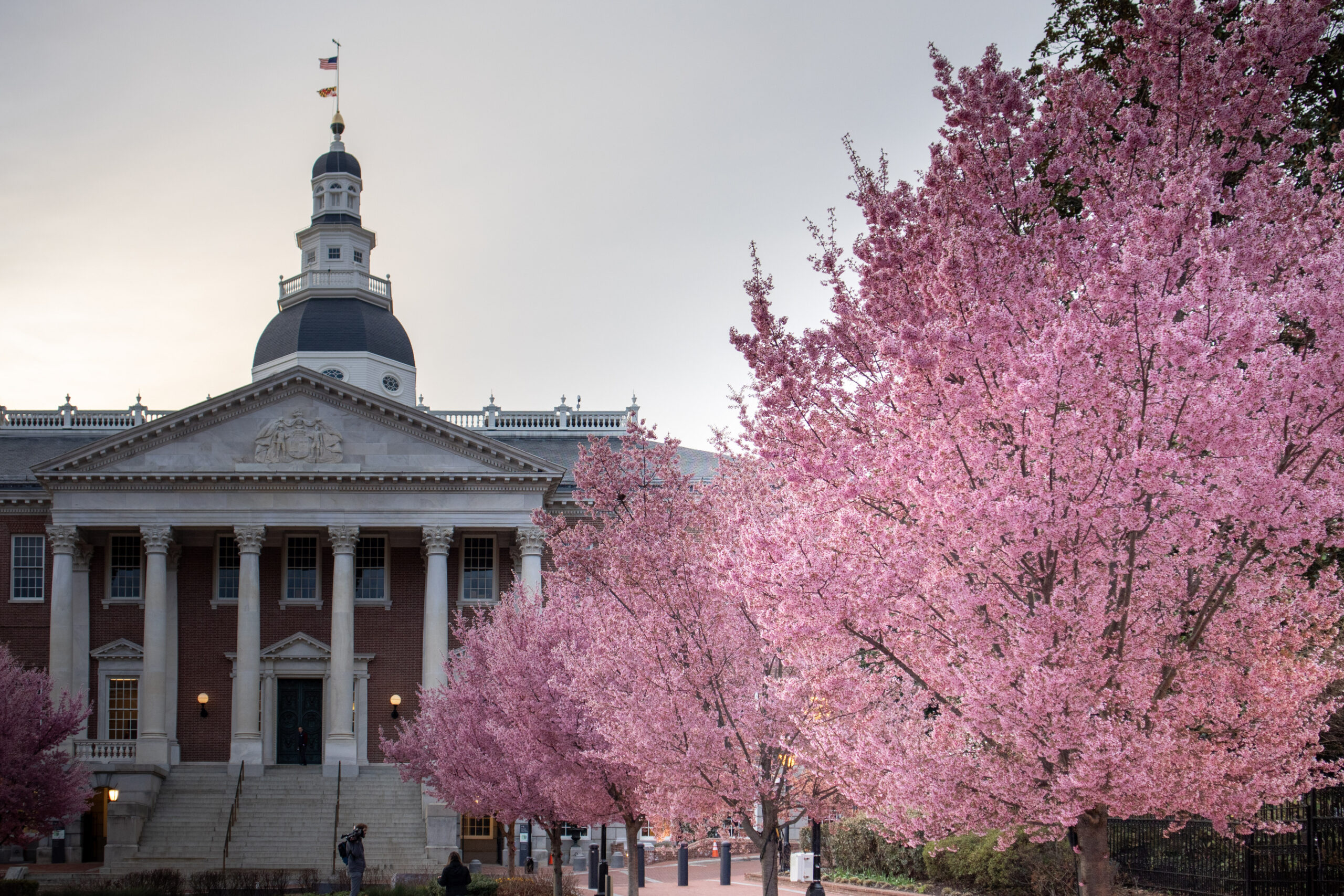
With the 2026 legislative session now adjourned, the Maryland General Assembly has taken final action on a slate of bills impacting historic preservation, funding, and community development across the state. The results reflect a mix of meaningful progress, strategic compromise, and several priorities that will need to be revisited in future sessions.
Preservation Funding & Financing
Historic Revitalization Tax Credit
HB511 (SUPPORT), which would have expanded eligibility for the catalytic tax credit to all historic resources, did not advance. Despite broad interest in expanding access to the credit, the bill did not gain enough traction amid competing tax policy priorities late in session. The preservation community is regrouping and planning a more inclusive approach to tax credit advocacy in 2027. Additionally, the already underfunded state historic revitalization tax credit was reduced by $1.5 million to $17.5 million total – an amount unequal to the needs of the state.
FINAL STATUS: Did not pass.
Preservation Procurement Policy Updates
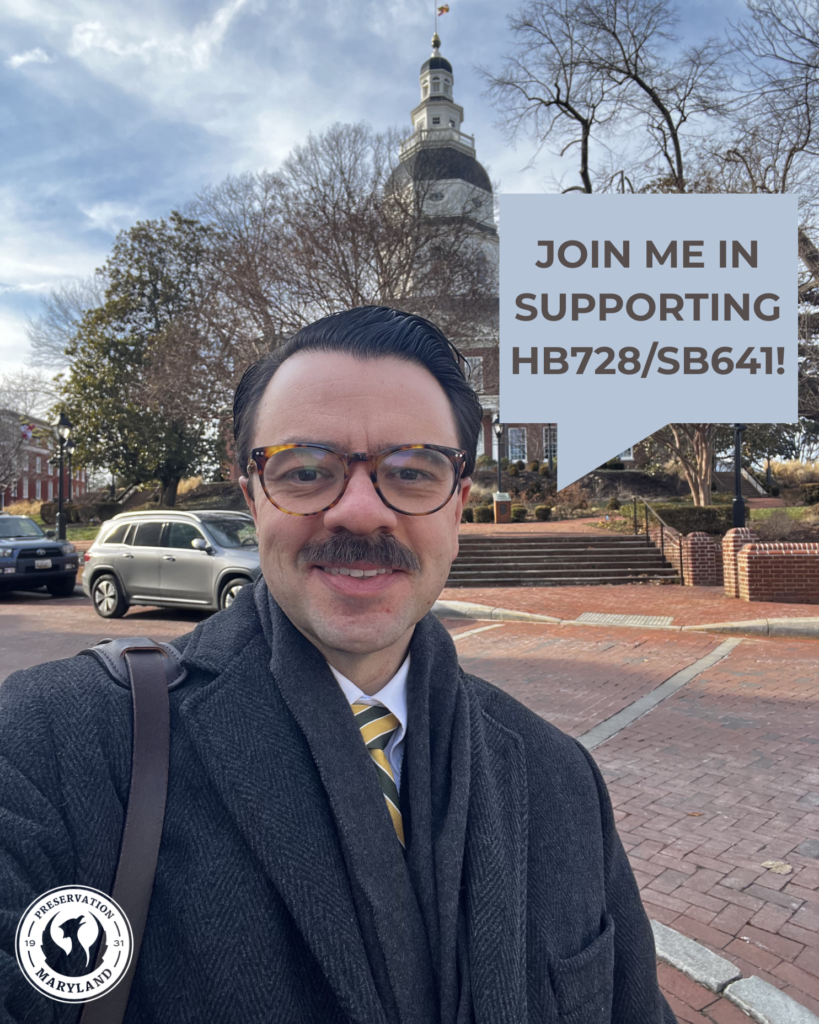
HB728/SB641 (SUPPORT), designed to allow state agencies to enter cooperative agreements more easily with nonprofit preservation organizations, successfully moved through both chambers. The bill benefited from strong agency support and a clear case that it would remove bureaucratic barriers without fiscal impact.
FINAL STATUS: Passed.
Maryland Heritage Areas
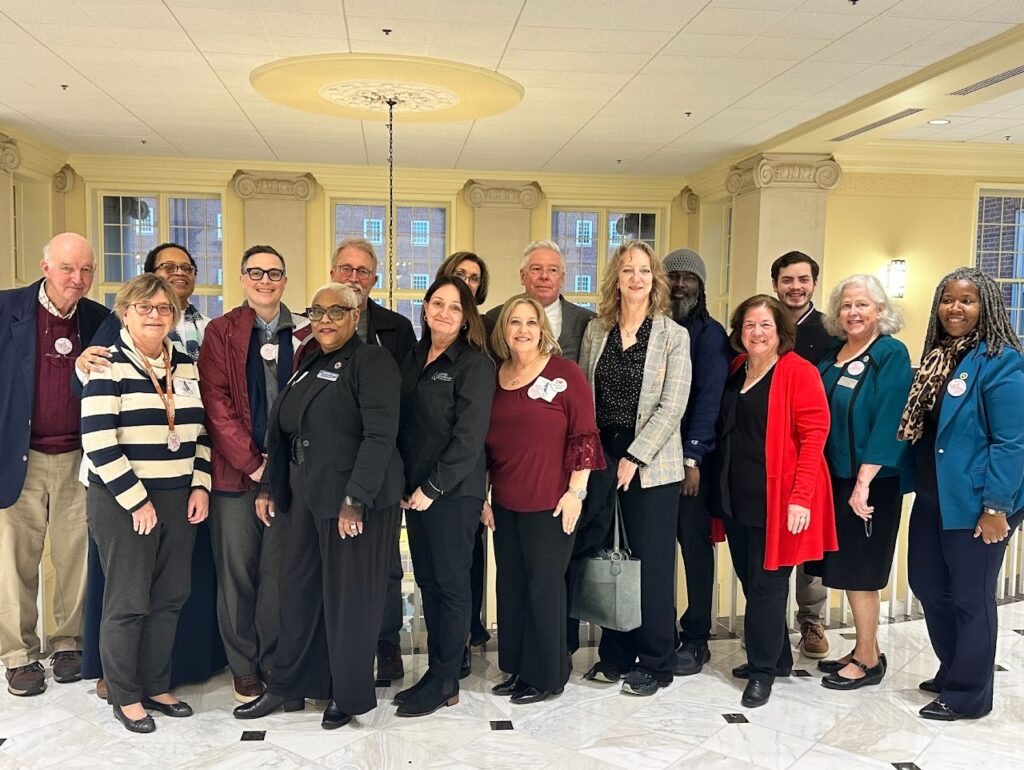
HB654/SB638 (SUPPORT), reintroduced after last year’s veto, would have provided the governor authority to increase funding and make administrative updates to heritage areas. Broad support carried this bill to passage again and now awaits the governor’s signature.
FINAL STATUS: Passed
HB238/SB226 (SUPPORT), an administration bill to give the Maryland Heritage Areas Authority more flexibility in setting grant match requirements, advanced successfully.
FINAL STATUS: Passed.
Grant Funding Cuts
Governor Wes Moore’s proposed elimination of the Maritime Heritage Grant Fund was reversed following strong advocacy from Preservation Maryland and partners. Legislators ultimately agreed the relatively small cost did not justify the impact to maritime preservation projects.
FINAL STATUS: Funding restored at $250,000 in the final budget.
Smarter Growth & Housing Matters
Support for Rural Maryland
HB461/SB300 (SUPPORT), establishing a rural readiness grant program, passed both chambers. The bill aligned with broader bipartisan interest in supporting rural economic development and capacity building, which helped carry it to the finish line.
FINAL STATUS: Passed.
Preservation-Friendly Affordable Housing Policy
HB005/SB372 (SUPPORT), which would have created a Maryland New Markets Tax Credit program, did not advance. The bill faced opposition due to the complexity of establishing a new statewide tax credit program in an already tight budget year.
FINAL STATUS: Did not pass.
Parks, Farms & Placemaking
Program Open Space
HB609/SB424 (SUPPORT), aimed at preventing diversion of dedicated open space funding, did not move forward. While the policy has strong conceptual support, it remains tied to larger, ongoing debates about budget flexibility and competing funding priorities.
FINAL STATUS: Did not pass.
Placemaking & Capital Investments (LBIs)
The final capital budget includes a wide range of Local Bond Initiatives (LBIs) supporting preservation projects across the state. These investments reflect continued legislative support for place-based revitalization, even as broader policy bills faced constraints.
FINAL STATUS: Capital budget approved with numerous preservation-related LBIs, shaped through final budget negotiations.
TL;DR: Bills with narrow scope, low fiscal impact, or strong administrative backing were most successful this session. Larger funding expansions and tax policy changes faced greater challenges in a constrained budget environment. Still, preservation saw meaningful wins, including procurement reform, rural investment, heritage grant flexibility, and restored maritime funding, setting the stage for continued progress in future sessions.