
Year-end thoughts from our President & CEO Nicholas Redding
At Preservation Maryland, we believe historic places are tools for improving everyday life. Preserving a building matters—but only if it serves a purpose beyond its walls. That’s why, in every grant we award and every project we support, we ask not just what we are saving, but why it matters now.
Sometimes that “why” shows up as a revitalized downtown, bringing jobs and renewed pride to a community. Other times, it’s found in the meaningful stories passed between generations, helping us better understand both our shared struggles and our collective progress.
Over the past year, I’ve seen the power and impact of our work dozens of times – across the state and beyond. These three examples are just a few, but they compellingly speak to the power of preservation.
A Concert
On a blustery evening just a week ago, as Marylanders rushed around to make final preparations for the upcoming holidays, several hundred took time from their busy schedules to be together and experience something profound. Within the imposing green serpentine walls of the former Mount Vernon Place United Methodist Church, a holiday concert filled the massive church with harmony and warmth. It was the culmination of years’ worth of planning and purpose.
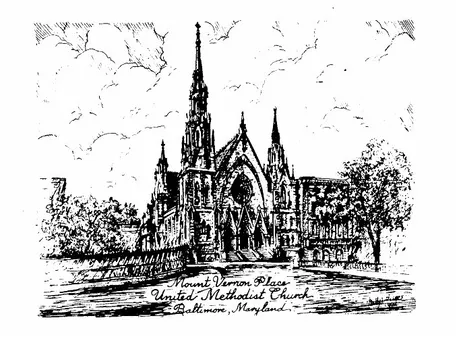
Here at the ca. 1872 church, a new group has now formed – Unite Mount Vernon – supported and embraced by Preservation Maryland (as their nonprofit fiscal sponsor). Through this partnership the acquisition and long-term preservation of the iconic church that sits on the corner of Baltimore’s Mount Vernon Square – the heart of the city – has been made possible. With its future previously uncertain, the church now bursts with life and possibility – a reminder that renewal is possible through the work of many hands.
A Food Pantry
One of the best parts of my job is to visit preservationists and caretakers of heritage across our state. It puts me on the road and gets me into countless communities* large and small to hear about their successes, their challenges, and their opportunities. This fall in Hagerstown, I spent time with the Board and supporters of the Robert W. Johnson Community Center in the historic African American neighborhood of Jonathan Street in the city. The Center is located in the late 19th century “Old North Street school” – once a segregated school for African Americans – and now home to a vibrant community-based organization. Preservation Maryland is no stranger to this community – having led the rehabilitation of a historic log structure at the heart of it and recently managed a significant state capital investment in the community center itself. This time I was there to hear about their plans and what they’ve accomplished.

Among the many notable victories – not the least of which was restoration of a delightful historic wading pool – I was struck by the expansion of their food pantry operation since the significant capital investments have been made in the center. Thousands of pounds of food – quite literally sustaining their neighbors – are being distributed. Without their focus being diverted on challenged infrastructure, they have been able to increase their programmatic investments.
Here, I see preservation contributing to the health of a community, making a community center capable of sustaining and providing hope and a meal to others.

An Apprentice
Anyone who has spent time with me knows that I have a passion for the historic trades. I’ve been dedicated to growing and sustaining The Campaign for Historic Trades and supporting our staff that makes it possible. The inspiring work of our team and their tireless dedication to apprenticeship development has yielded real results. This year, one really stood out.
Robert Heald has been a registered apprentice, working in the field of historic window restoration right here in Maryland since late fall. His registration as an apprentice is nothing short of a bit of a miracle for preservation. The idea of having registered apprentices, learning skills in a structured and regimented way, has been on the wish list of preservationists since at least the 1960s. Now it’s real, working, and is brought to life in the form of Robert and the many more who are now certain to follow.
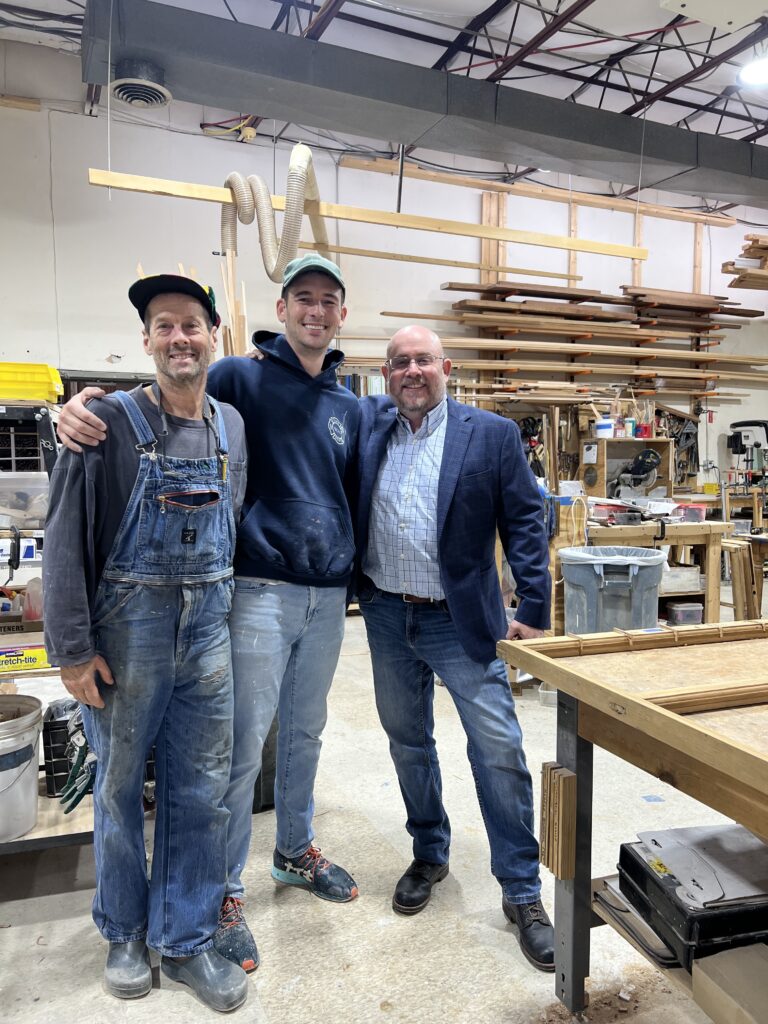
Not content with just talking about trades training – we’ve set the table for a new generation of training nationwide – with more trades apprenticeships to be launched in the very near future.
Looking Forward
One of my colleagues in preservation has made a compelling argument for preservationists to take a hard look at their work and make sure their efforts are relevant to the communities which they serve. It’s a message I take seriously, and which resonates in my own approach. It’s also a message I share when given the opportunity. This past year at the Maryland Main Street conference in Easton, I used the time I was allotted for a ‘Ted’-styled talk to argue for a version of preservation that responds directly to the needs of this moment.
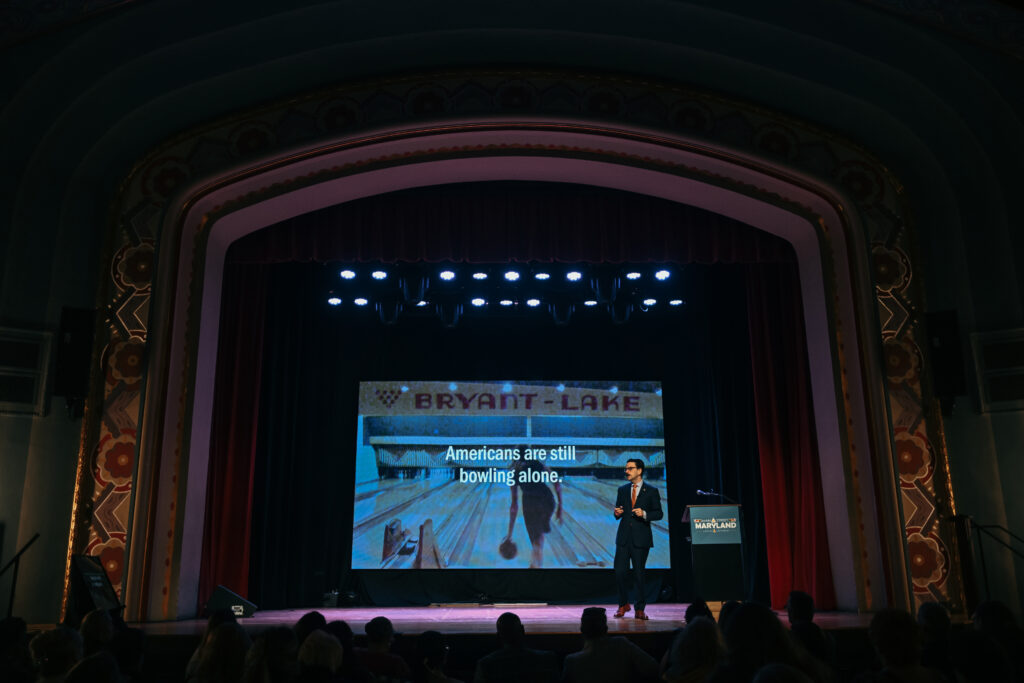
Looking back to the 1960s, I made the case that our movement is no stranger to being responsive. Back then it was interstate highways, malls, and federal investment without review. Today, instead of a proliferation of interstates, we’re confronted by workers priced out of affording a decent home, waterfront historic homes threatened by increasingly common ‘sunny day flooding,’ and a crisis of loneliness triggered by the isolation of the digital age.
With your help, we have an opportunity to be part of the solutions needed at this moment. Through a newly launched mapping initiative, we hope to help our Main Streets find smart ways to use historic places to add more housing, fill in gaps, and more broadly market those opportunities to others. Through our grantmaking and property redevelopment efforts we intend to make investments in places that tell important stories and engage the entire community in the process – bringing people together in the name of history and preservation. That’s the just start.
Relevance is important – but it’s just a word without action. Your support makes that action a reality.
With pride in our past and faith in our future,
Nicholas Redding
*By my most recent count, I’ve visited 97 of the state’s 157 municipalities (~61%). A year-end