
The History of the Burtis House
Before it was Hell Point it was Hill’s Point. By 1887, the neighborhood of Hill’s Point was more commonly referred to as Hell Point. The reason for the change, if documented, has yet to be found.
The Hell Point neighborhood of Annapolis no longer exists today except in the memories of its former residents. Though the Hell Point community adopted many different boundaries over the course of its life, its last known perimeter consisted of randall Street to its West, King George Street and Prince George Street to its north and South, and the shore line to its east. The naval Academy would eventually acquire most of Hell Point’s neighborhood by the mid-1940s, displacing residents and signaling an end to Hell Point’s vibrant maritime community.
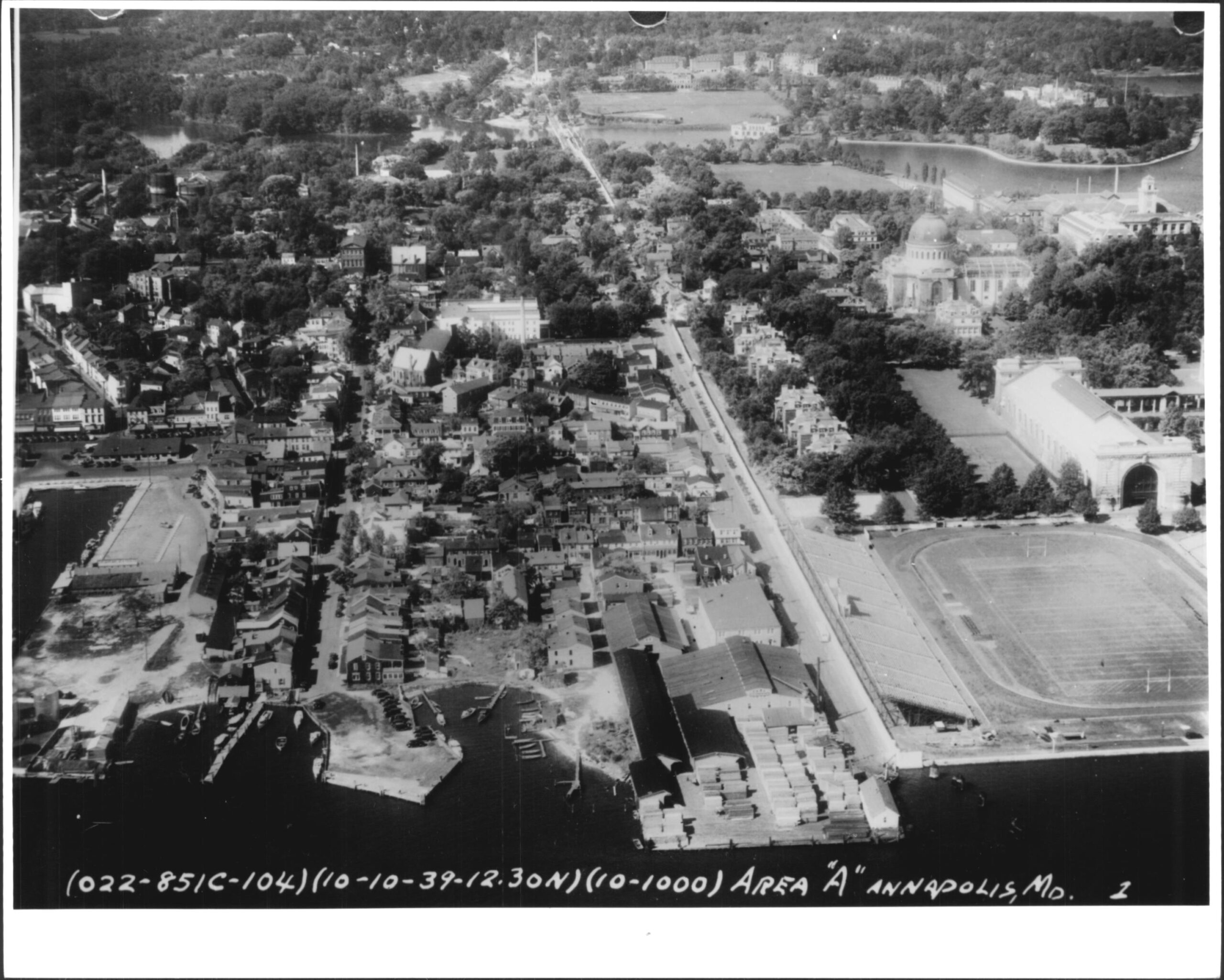
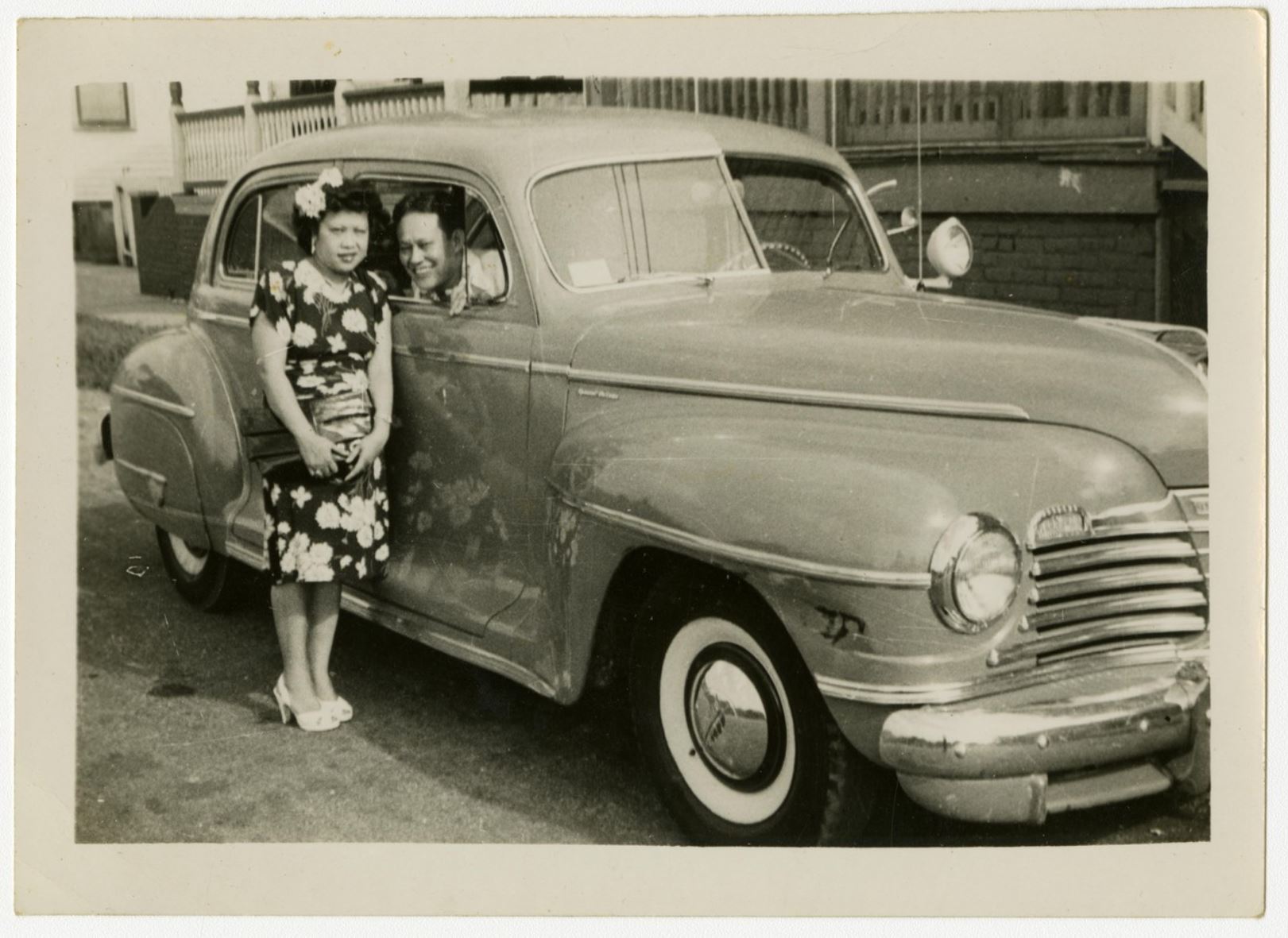

The University of Maryland’s Historic Preservation Studio worked alongside Preservation Maryland on historic research via census records, deeds, probate archives, historic real estate and insurance maps, photographs, existing historical and archaeological scholarship, planning documents, local Annapolis library collections, maritime studies, and the Filipino American community Archives.
The Historic Context Report document linked in the box to the left contains summaries and information pertaining to Captain Burtis, the Hell Point neighborhood, maritime history of Annapolis, and climate change in Annapolis and tells the rich story of the area’s people and community.
Moments That Have Defined Hell Point's Unique Story
Colonial and Early Maritime Roots (1600s–1800s)
Established in the early 1600s, City Dock became a central hub for shipping and trade along the eastern seaboard. Its strategic location at the head of Spa Creek facilitated the movement of goods and passengers, making it integral to Annapolis’s economic development.

19th-Century Working Waterfront
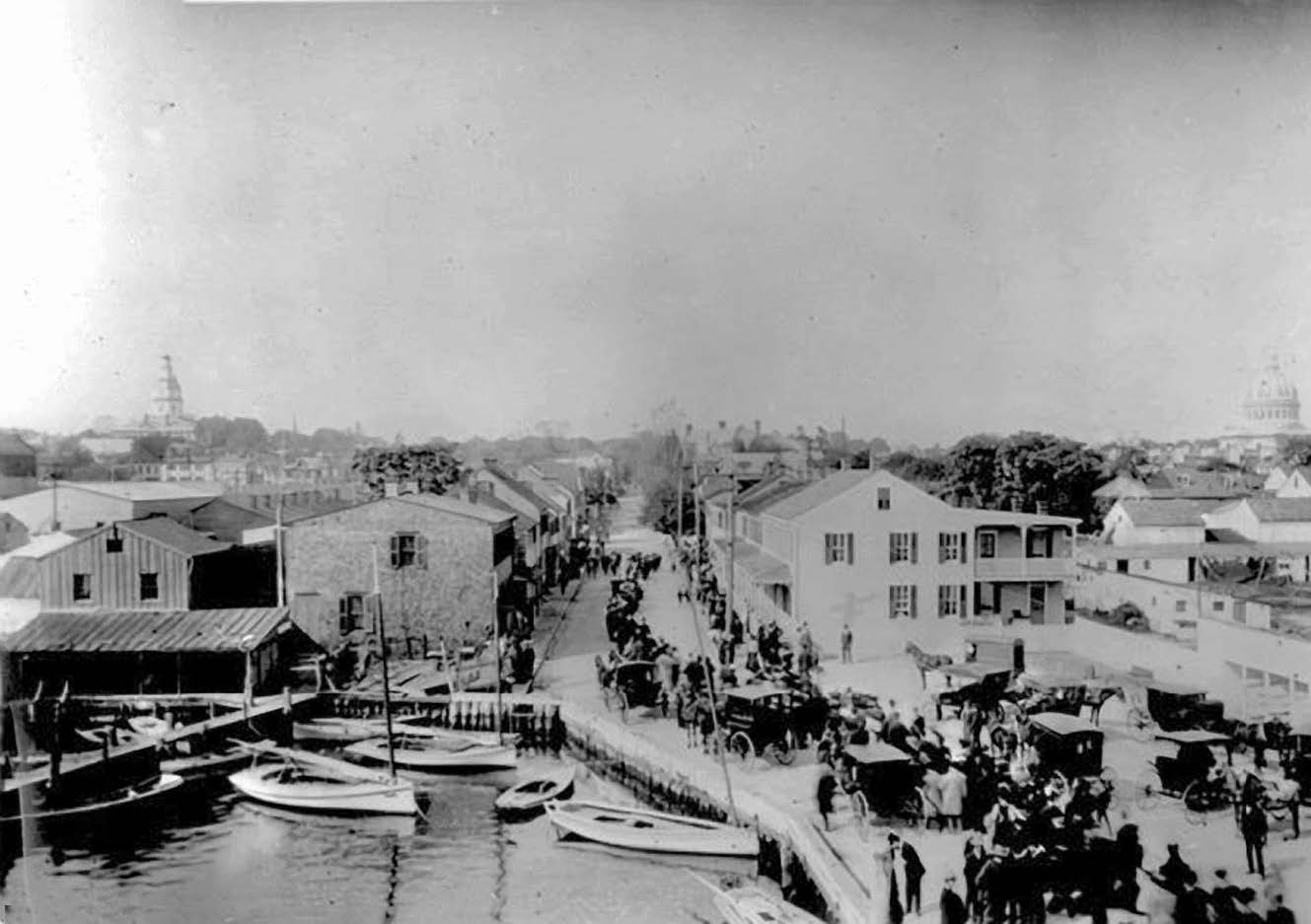
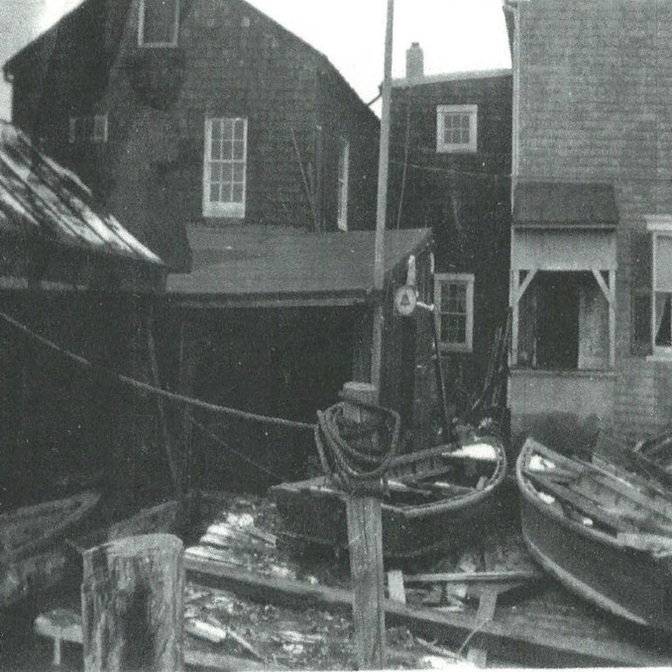
The area known as Hell Point (near what is now City Dock) was a working waterfront neighborhood, with lumberyards, steamboat wharfs, boathouses, and inhabited by a mix of African American, Filipino, and European American families.
The Burtis House itself (originally owned by Captain William Henry Burtis) served as a waterman’s home and a center for maritime commerce (boat rentals, supplies, etc.) in the late 1800s.
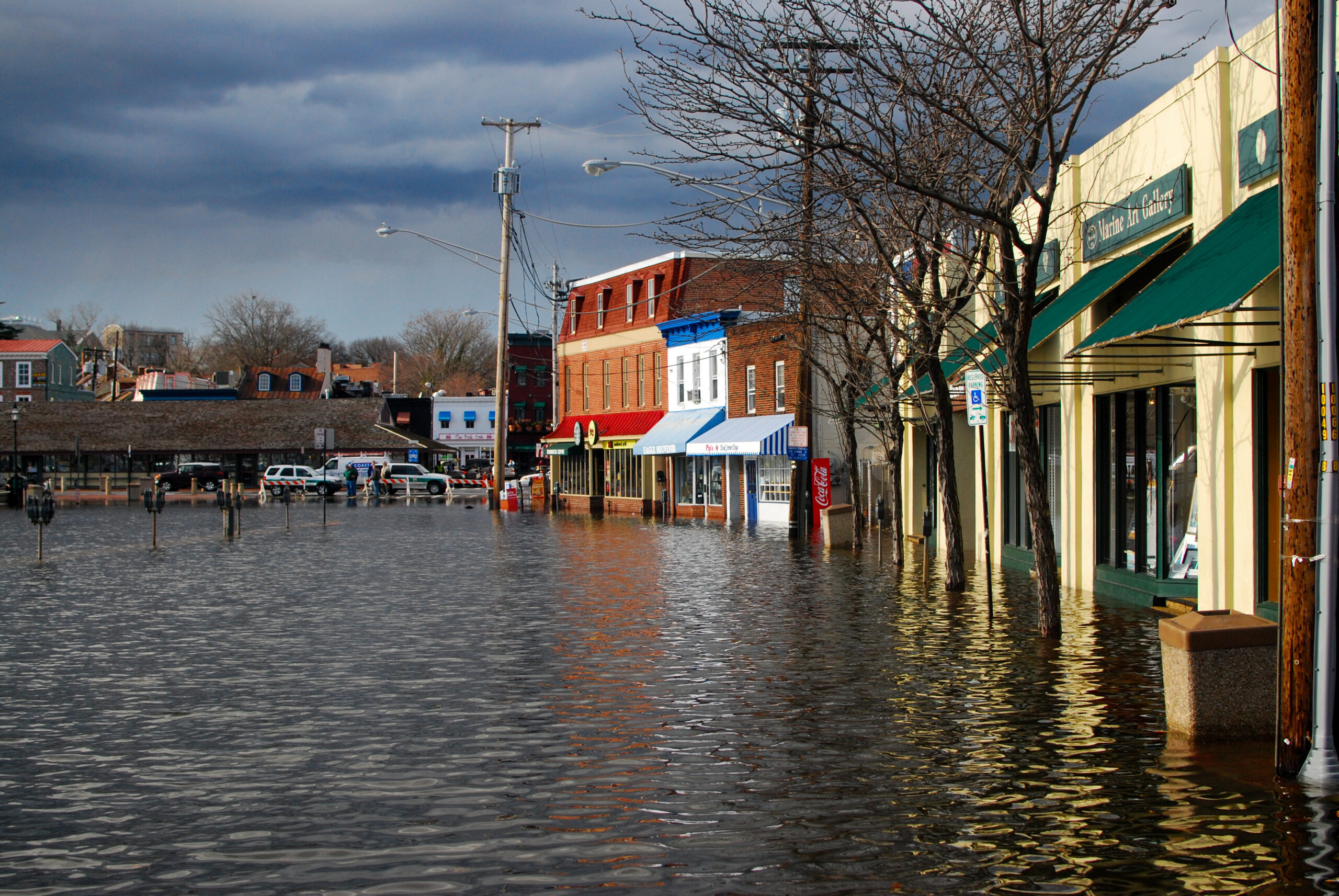
Flood Resilience and Future Planning
Over the past century, downtown Annapolis has experienced increasing nuisance flooding. Since the 1980s, these events have become more frequent and severe, with more than half of the top ten flooding events occurring since the start of the new millennium.
To address these challenges, the City Dock Master Plan focuses on flood resilience and sustainable development. The plan includes measures to mitigate flooding and enhance the area’s infrastructure while preserving its historic character.
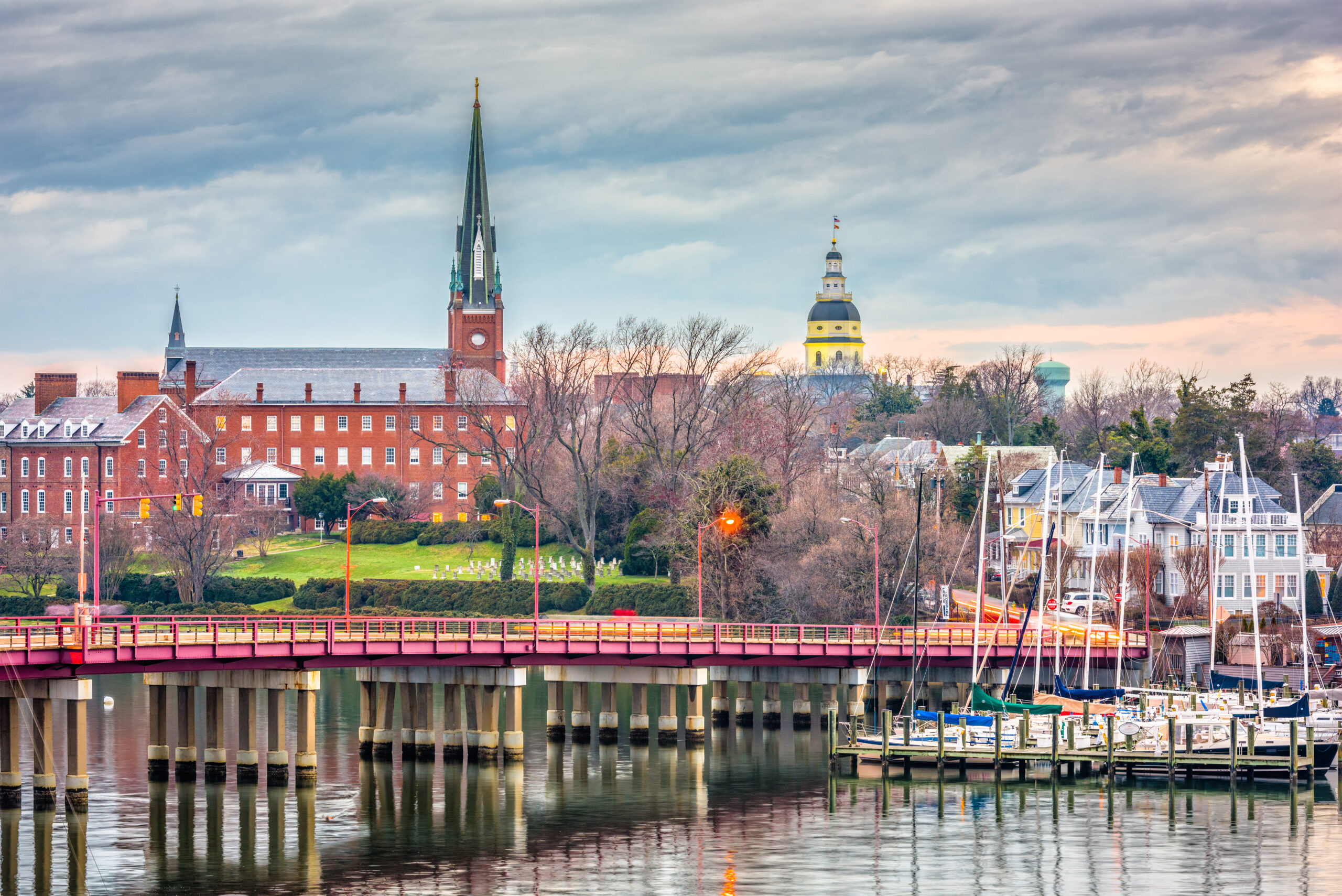
Community Advocacy
In 2018, City Dock was named one of America’s 11 Most Endangered Historic Places by the National Trust for Historic Preservation, highlighting the need for preservation amidst growing development pressures.
In response, the City Dock Action Committee was formed, bringing together city officials, preservationists, and community members to guide the area’s revitalization. Their efforts aim to balance historic preservation with modern needs, ensuring that development respects the area’s cultural and historical significance.
Working Waterfront
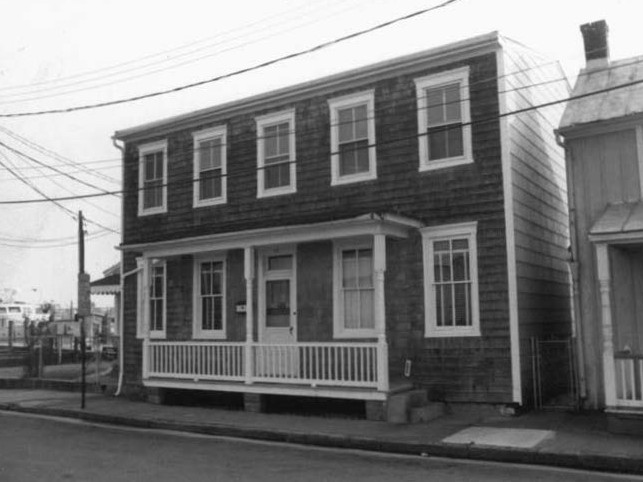
Browse through a collection of photographs that capture the essence of the Burtis House, home to Captain William Henry Burtis, described at the end of his life as “one of the best-known watermen of Maryland and a highly respected citizen of Annapolis, and the surrounding City Dock community,” and three generations of the Burtis family.
Captain Burtis and his family lived at 69 Prince George Street, the last home before the bay. The home was originally a duplex that was later converted to a single family residence as the Burtis family expanded in the 1890s.4 From this house, Burtis started an entrepreneurial venture renting pleasure boats for leisurely activities such as fishing and touring the Chesapeake Bay.5 Various accessory structures, including a boat house and a wharf, were constructed to accommodate the business’s growth.
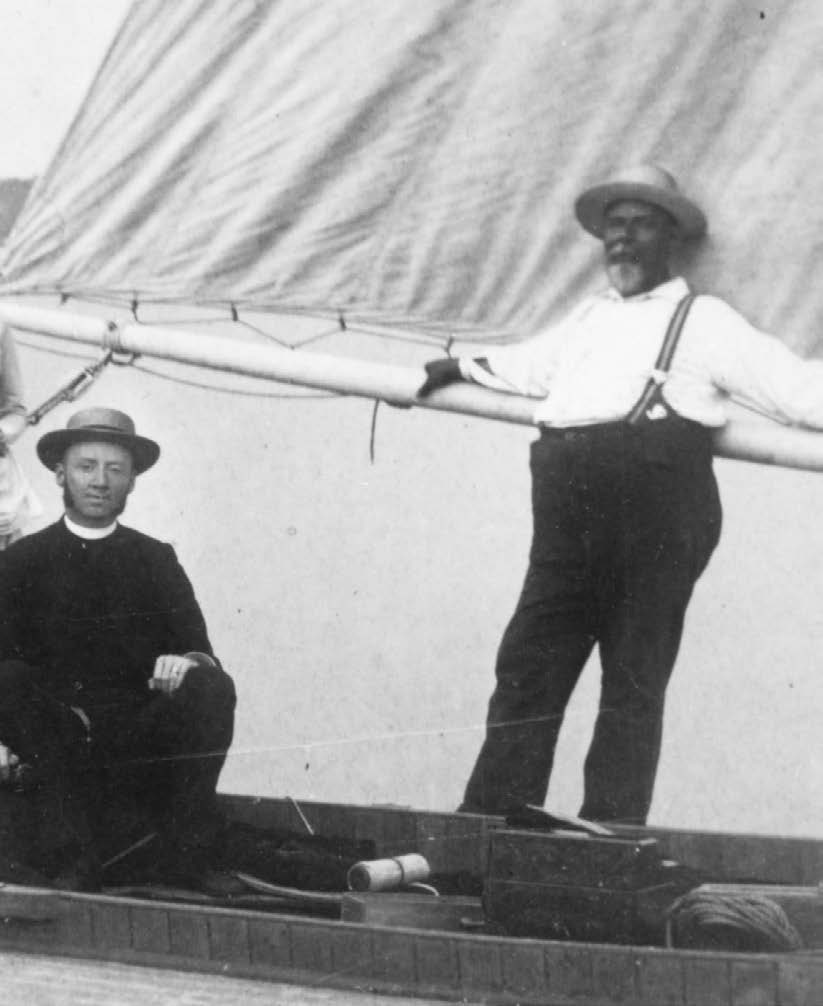
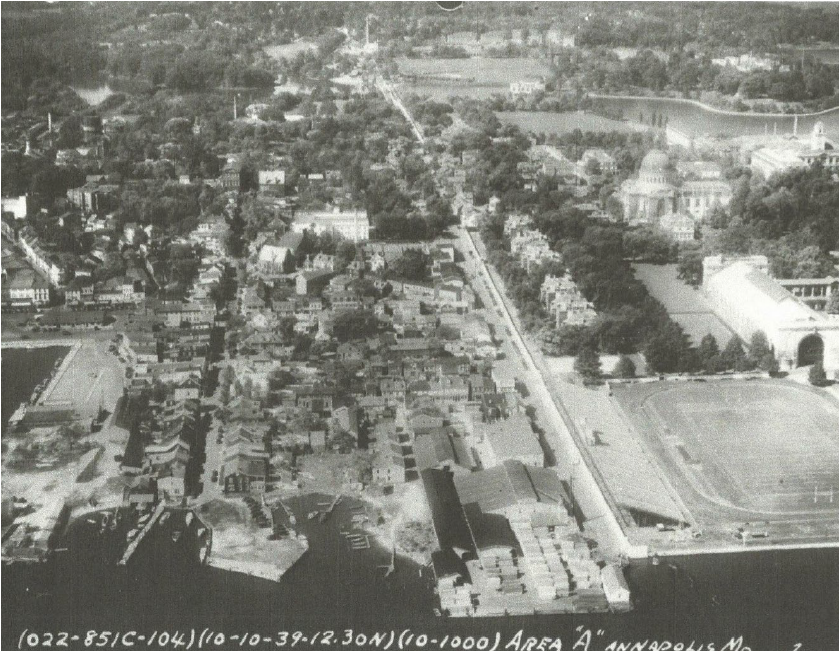

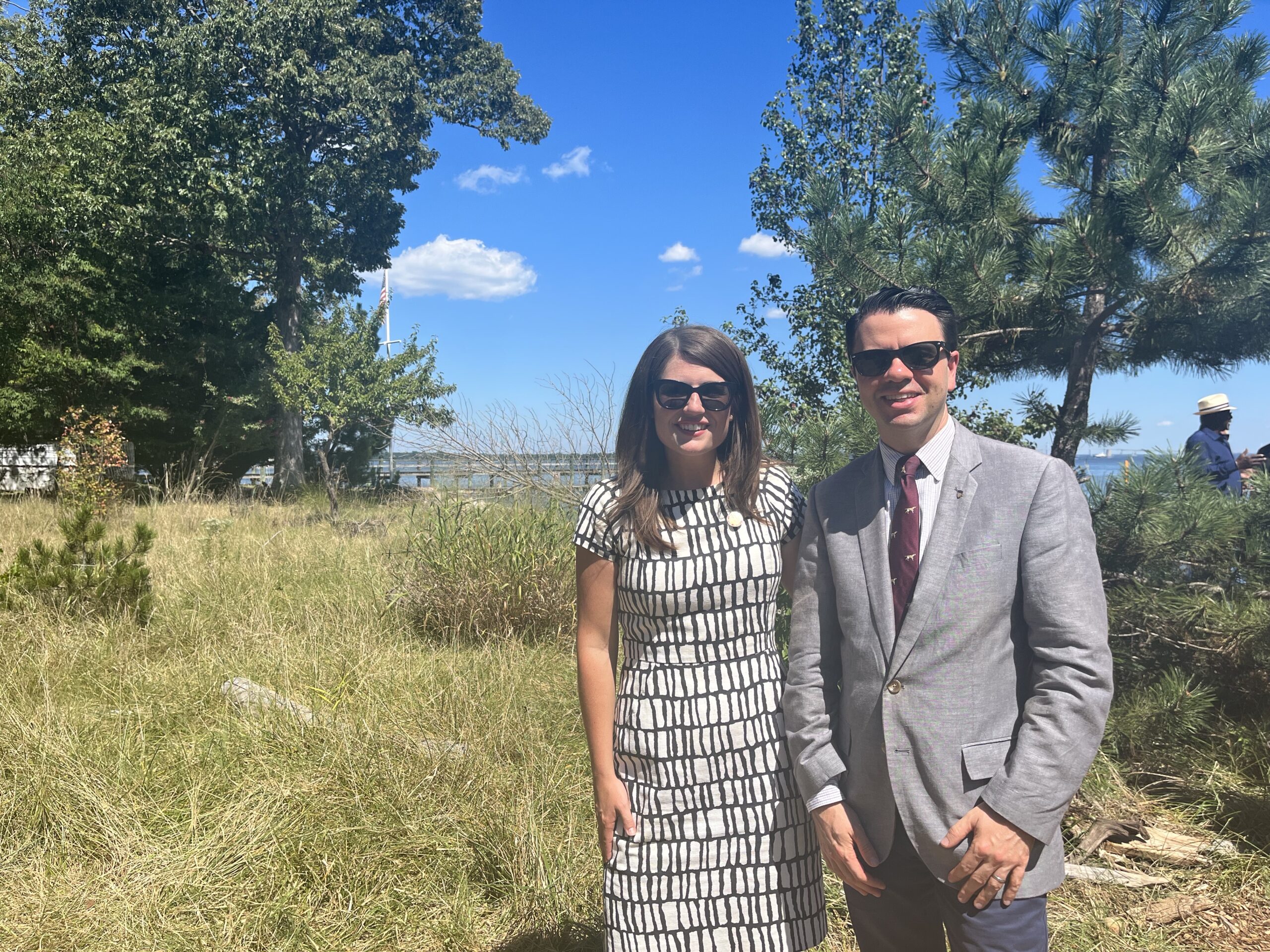
The Burtis House represents the quintessential Annapolis water-centric story that deserves both preservation and telling, said former Senator (now Congresswoman) Sarah Elfreth. “I’m proud that we have all the right partners – the State, the City, Preservation Maryland, Historic Annapolis, the National Park Service, and more – who are all dedicated to saving Burtis and turning it into a public asset.
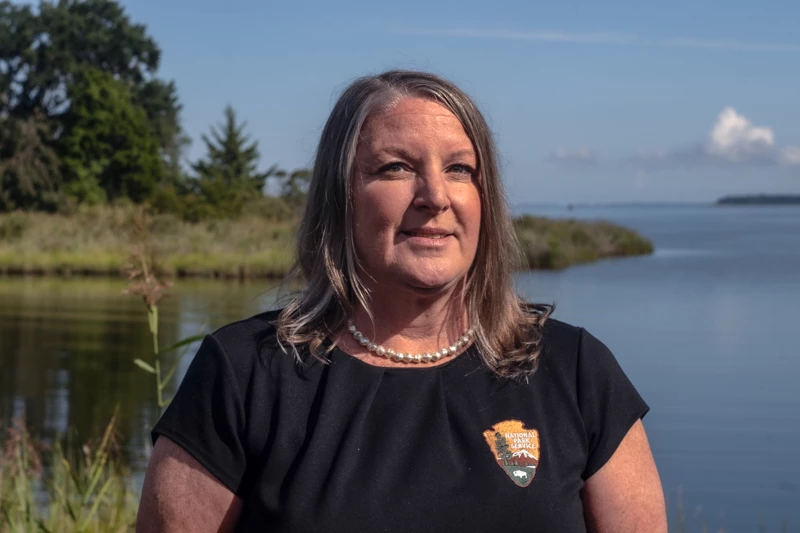
This project reflects the values and interests of the Annapolis community to save the House as the last-of-its-kind, said Wendy O’Sullivan, Superintendent of the National Park Service – Chesapeake Office. NPS Chesapeake Gateways is proud to be part of a coalition of partners to help Annapolis realize its vision for the Burtis House to serve as a Gateway to the Bay.
This project would not have been possible without the work of the following team: MHAA, the State of Maryland, HD Squared, Richard Hammond Builders, Expert House Movers, Applied Archaeology and History Associates, Advanced Aerial Imaging Concepts, and the UMD graduate studio.