
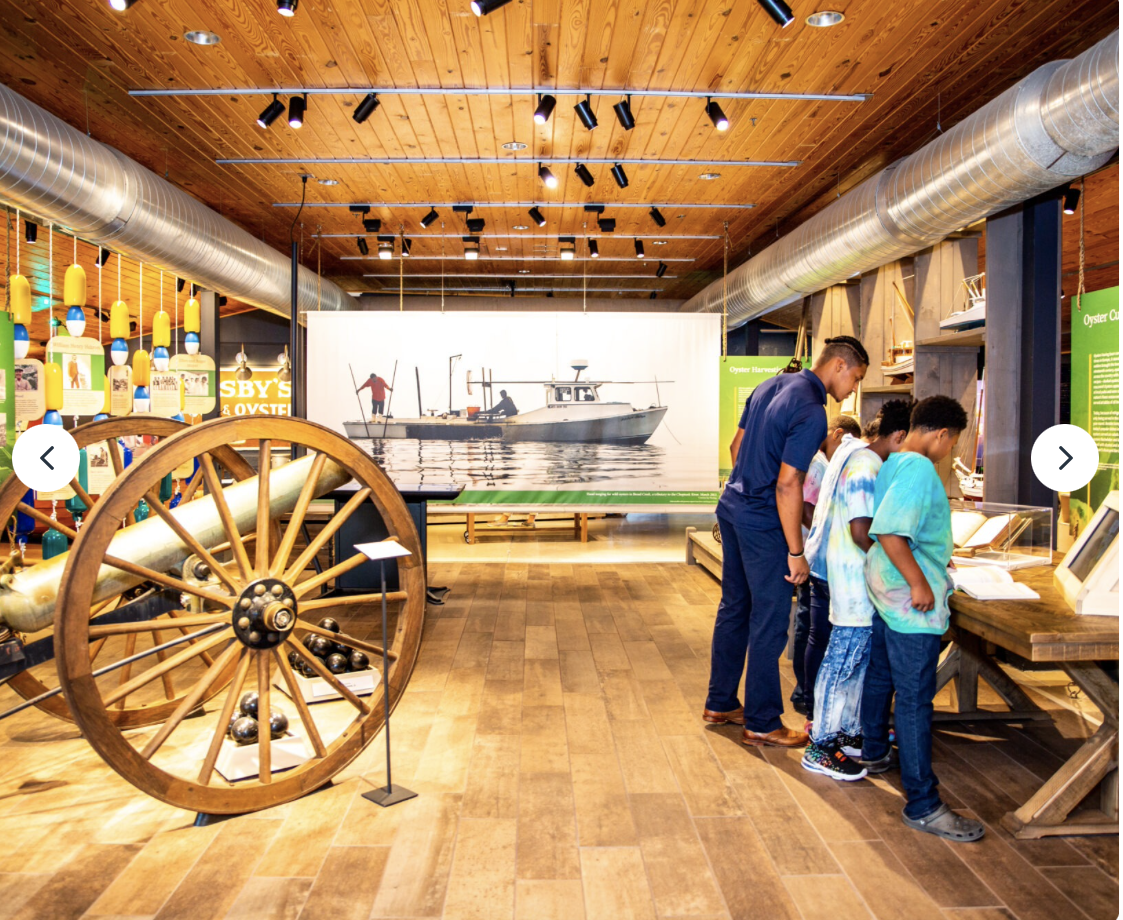
Maryland’s history has always been shaped by water. From Indigenous cultures and colonial trade routes to working waterfronts, the Chesapeake Bay is a living archive of the state’s maritime past. Through the Maryland Maritime Heritage Grant Program, those stories are being preserved and shared in new, engaging ways, connecting people more directly to the places where history has unfolded.
Administered in partnership with the Maryland Department of Natural Resources and funded by the Waterway Improvement Fund, the program supports projects across the Chesapeake Bay watershed that preserve, interpret, and promote Maryland’s maritime heritage. This year, $200,000 in grants—ranging from $10,000 to $50,000—were awarded to nonprofit organizations and government entities advancing vessel preservation, maritime museums, and educational programming.
Among the newly funded projects is an initiative led by the Chesapeake Crossroads Heritage Area, centered in Annapolis and Anne Arundel County, will invite the public to experience maritime history from the shoreline…and from the water itself.
A Guide to the Maritime Crossroads
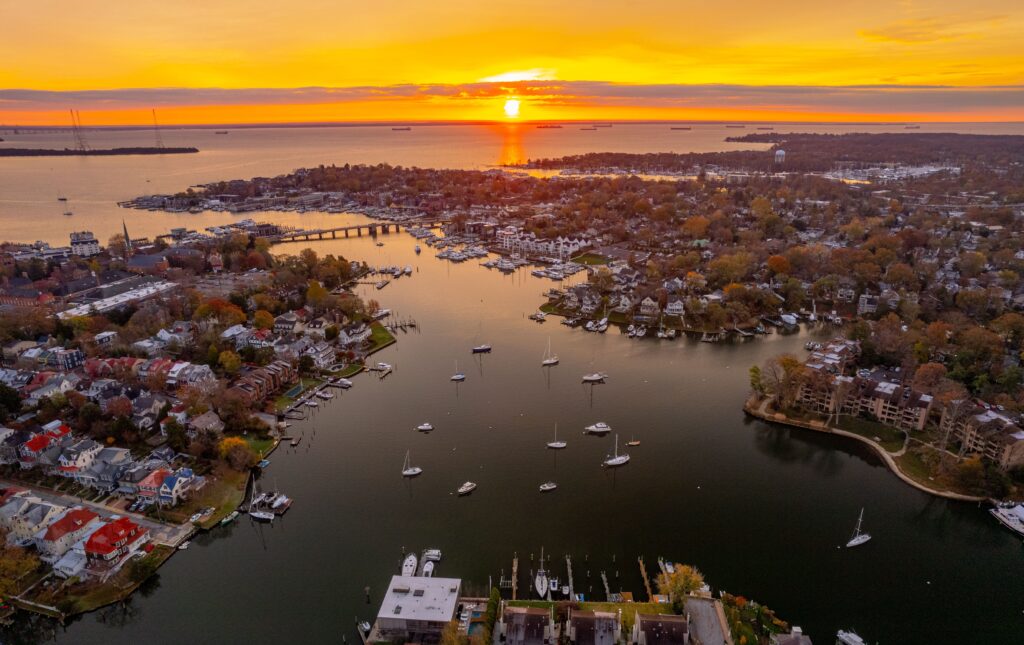
Chesapeake Crossroads Heritage Area’s project will create a new Guide to the Maritime Crossroads, designed to highlight the historic, archaeological, and cultural resources that embody Maryland’s maritime heritage. Planned to be developed in both print and digital formats, the guide will encourage exploration of places that serve as gateways to the water, where visitors can connect with stories of work, travel, trade, conflict, and conservation along the Chesapeake.
The project emphasizes public engagement and preservation by linking significant sites listed in the National Register of Historic Places and the Maryland Inventory of Historic Properties, helping build awareness and appreciation for irreplaceable maritime resources.
A brochure will introduce key sites and themes across the heritage area. Brochures will be distributed at events, through partner organizations and community hubs, at the Visit Annapolis & Anne Arundel County visitor center, and throughout Anne Arundel County, ensuring wide public access.
A Digital Hub for Maritime Exploration
Complementing the print guide, the project will launch a new “Maritime Heritage” section on uts website, www.ChesapeakeCrossroads.org, serving as a centralized digital hub for maritime sites and stories.
The digital experience will include an interactive, GIS-based StoryMap featuring at least 25 unique sites, museums, experiences, and historic figures. Designed as a series of curated tours, the StoryMap will highlight:
- Revolutionary War maritime history, including new and lesser-known stories
- The contributions of underrepresented populations and individuals
- “Gateways to the Water,” where visitors can directly experience maritime heritage
- The impacts of climate change and sea level rise on historic and archaeological resources
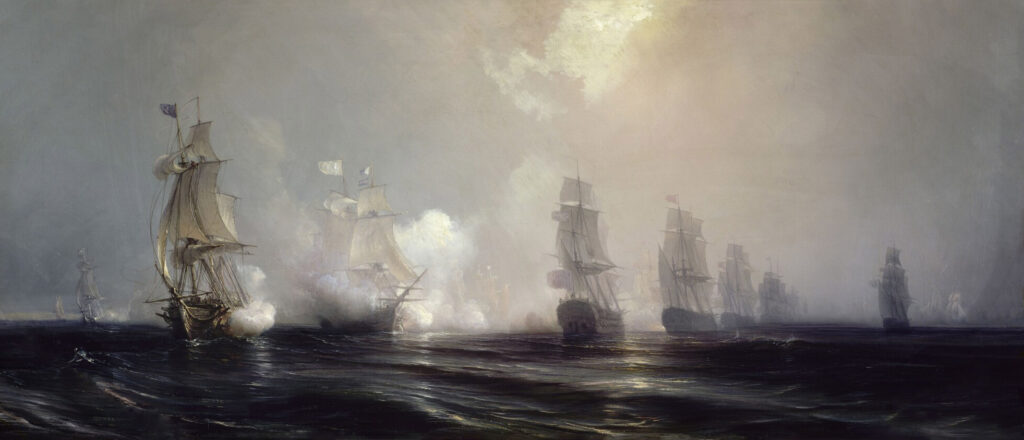
Together, these tools will allow users to explore maritime heritage virtually, plan visits, or experience history in real time from the water.
Stories Anchored in Place
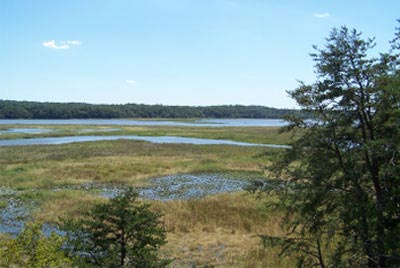
The sites featured in the guide and StoryMap reflect the deep and layered history of the region’s waterways, set to include the Patuxent River, Jug Bay, a place of more than 10,000 years of human history. The area was home to Indigenous villages and shell middens, including the Pig Point Archaeological Site, where centuries of Native American life have been documented through archaeological research. Jug Bay later played a key role during the War of 1812, serving as the site of Commodore Joshua Barney’s last stand. In the early 20th century, it became a popular recreational destination.
Paddling Through Time
To bring these stories to life, Chesapeake Crossroads Heritage Area, working in collaboration with Anne Arundel County Cultural Resources and Recreation & Parks, will also create, promote, and host a series of “Paddling Through Time” tours.
To launch the experience, there will be guided paddling tours led by maritime historians, archaeologists, climate scientists, and conservation leaders—blending recreation and education on the water.
An Evergreen Investment in Maritime Heritage
Designed to extend beyond the grant period, the Guide to the Maritime Crossroads and the Paddling Through Time tours will become evergreen resources—tools that can be updated, expanded upon, and promoted by partners across the region.
This project demonstrates the lasting value of the Maryland Maritime Heritage Grant Program. Not only are projects like this preserving the past, but activating it, connecting people to Maryland’s waterways, amplifying history, and fostering stewardship of the Chesapeake’s maritime past long into the future.
To receive updates about this project, the Maryland Maritime Grant Program, and more news from Preservation Maryland, make sure you’re signed up for our newsletter!