
Elkridge Furnace Plank Houses
Elkridge Furnace stands as a testament to Maryland’s rich industrial heritage. Built in the 1850s, these rare plank houses provide a unique glimpse into the past, showcasing the resilience and adaptability of those who lived and worked during a time of rapid change. As one of the few remaining examples of horizontal plank construction, these structures not only highlight a bygone building method but also tell the stories of the individuals—both enslaved and free—who were integral to the furnace’s operations. Through archaeological discoveries and architectural analysis, we continue to uncover the layered history embedded within these walls, preserving an essential chapter of Maryland’s industrial narrative.
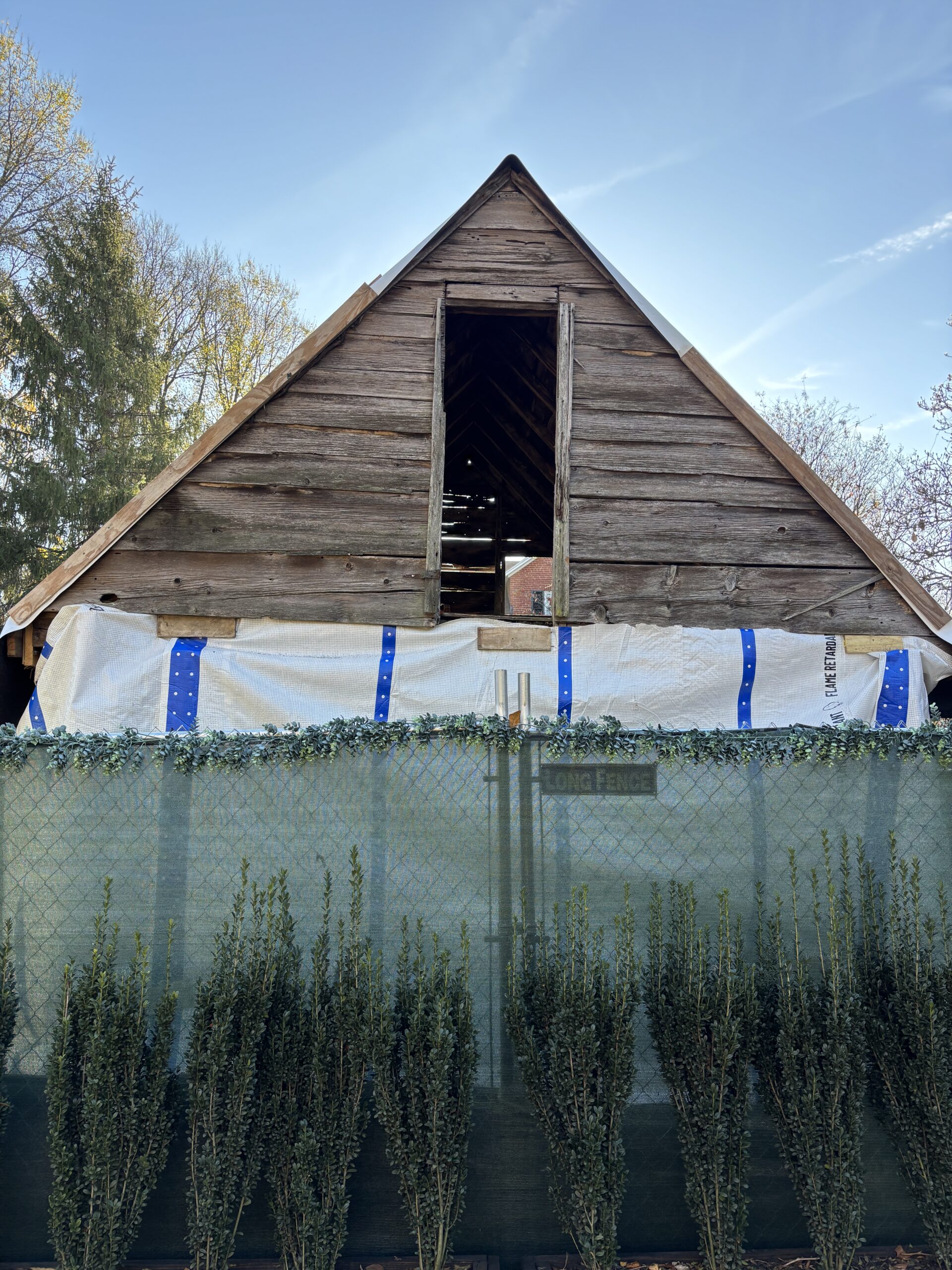
The Elkridge Furnace Plank Houses are modest, single-story dwellings built in the mid-19th c. using horizontal plank construction. Among the last known surviving structures of their kind in Maryland, these two buildings located within Patapsco State Park likely housed enslaved ironworkers, reflecting a construction style once common for outbuildings and housing for enslaved laborers.
In partnership with the Department of Natural Resources, Preservation Maryland is leading the restoration and interpretive design of these extraordinary historical resources. The project aims to preserve as much of the original historic fabric as possible, ensuring the longevity of these structures while preparing the site for expanded interpretation. Their preservation offers an opportunity to tell a fuller history of the region—one that acknowledges the immense contributions of enslaved people while also honoring their resilience.
Preserving Heritage in Howard County
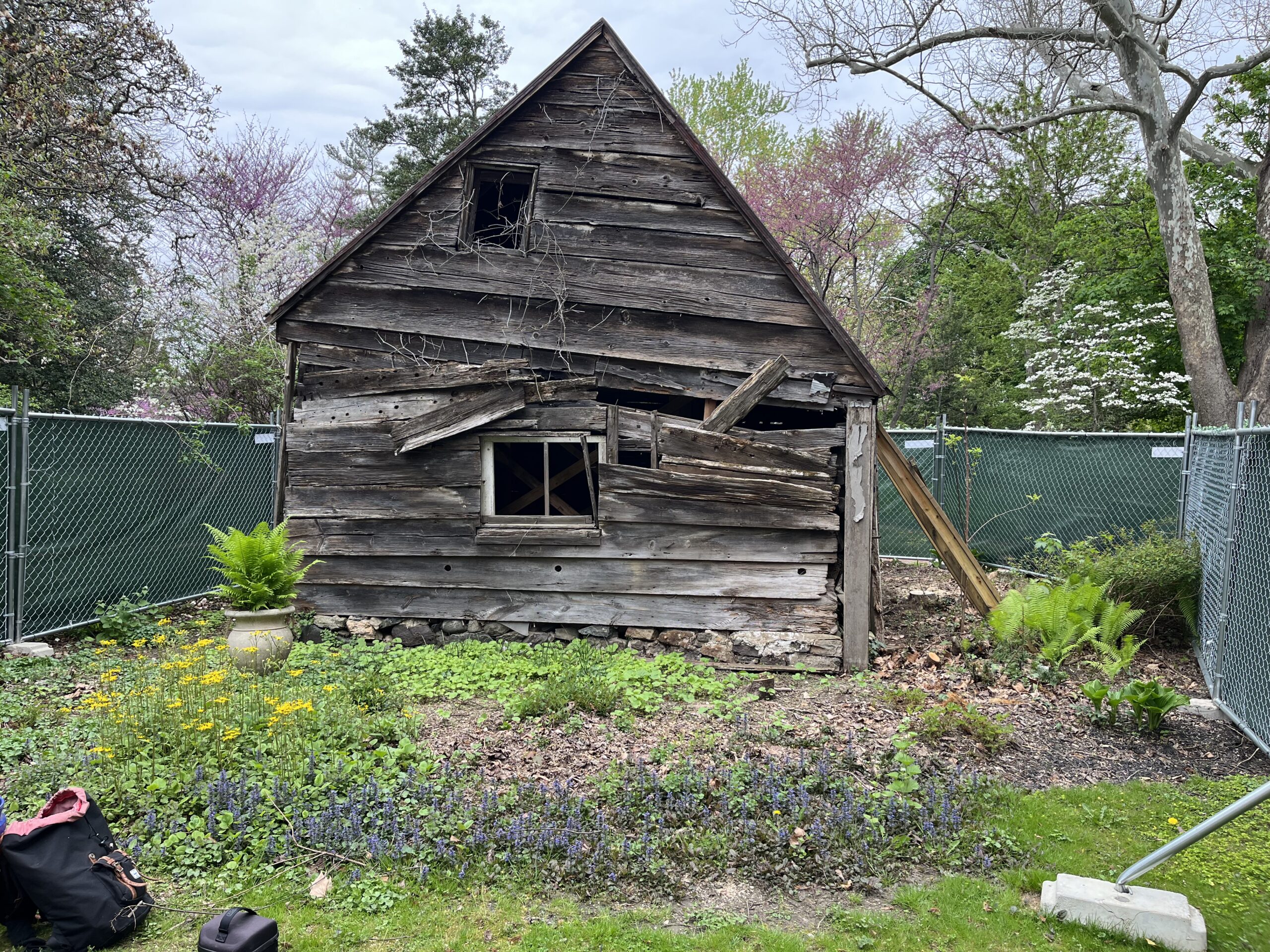
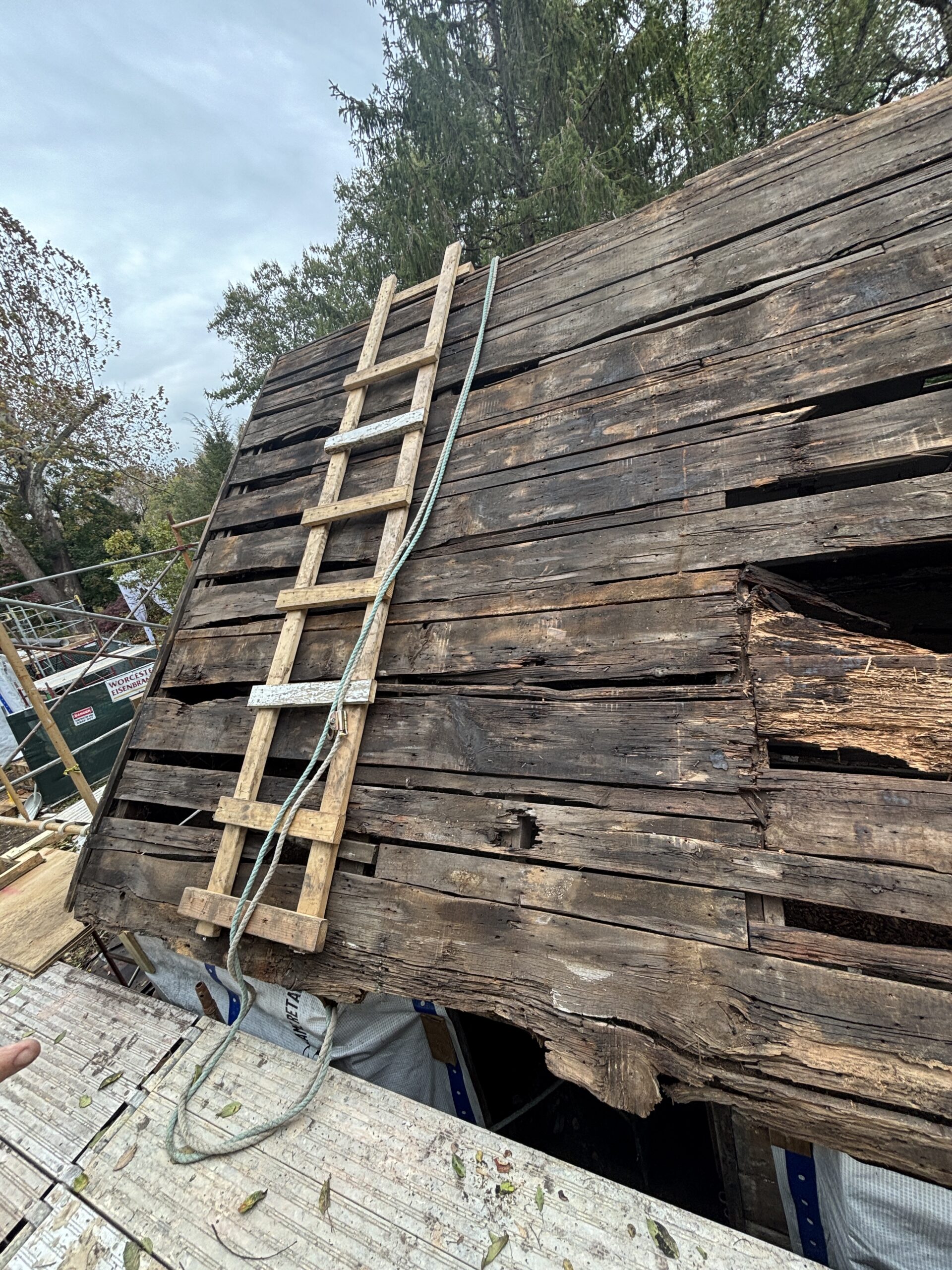
The Elkridge Furnace buildings stood at a critical juncture, facing threats from time and the elements. Without immediate action, these rare examples of plank construction were at risk of being lost forever. The northwest building was particularly vulnerable, with structural instability threatening its very existence. Meanwhile, the southeast building battled ongoing water damage, jeopardizing its integrity. Preservation is not just about saving structures; it’s about safeguarding the stories and legacies they embody for future generations.
Preservation Maryland is committed to addressing these urgent challenges with a comprehensive strategy. Our efforts are guided by a deep respect for the past and a commitment to future generations. By stabilizing and restoring these buildings, we aim to protect their historical significance and ensure they continue to educate and inspire. The urgency of this mission cannot be overstated, as each passing day increases the risk of irreversible damage.
Our Restoration Strategy
Step 1: Detailed Documentation
Step 2: Condition Assessment
Step 3: Restoration and Protection
Structural Stabilization
We meticulously stabilize the northwest building’s compromised walls, ensuring structural integrity through expert craftsmanship and historical accuracy.
Water Damage Mitigation
Our team addresses water intrusion in the southeast building, employing advanced techniques to prevent further deterioration and safeguard the structure.
Material Preservation
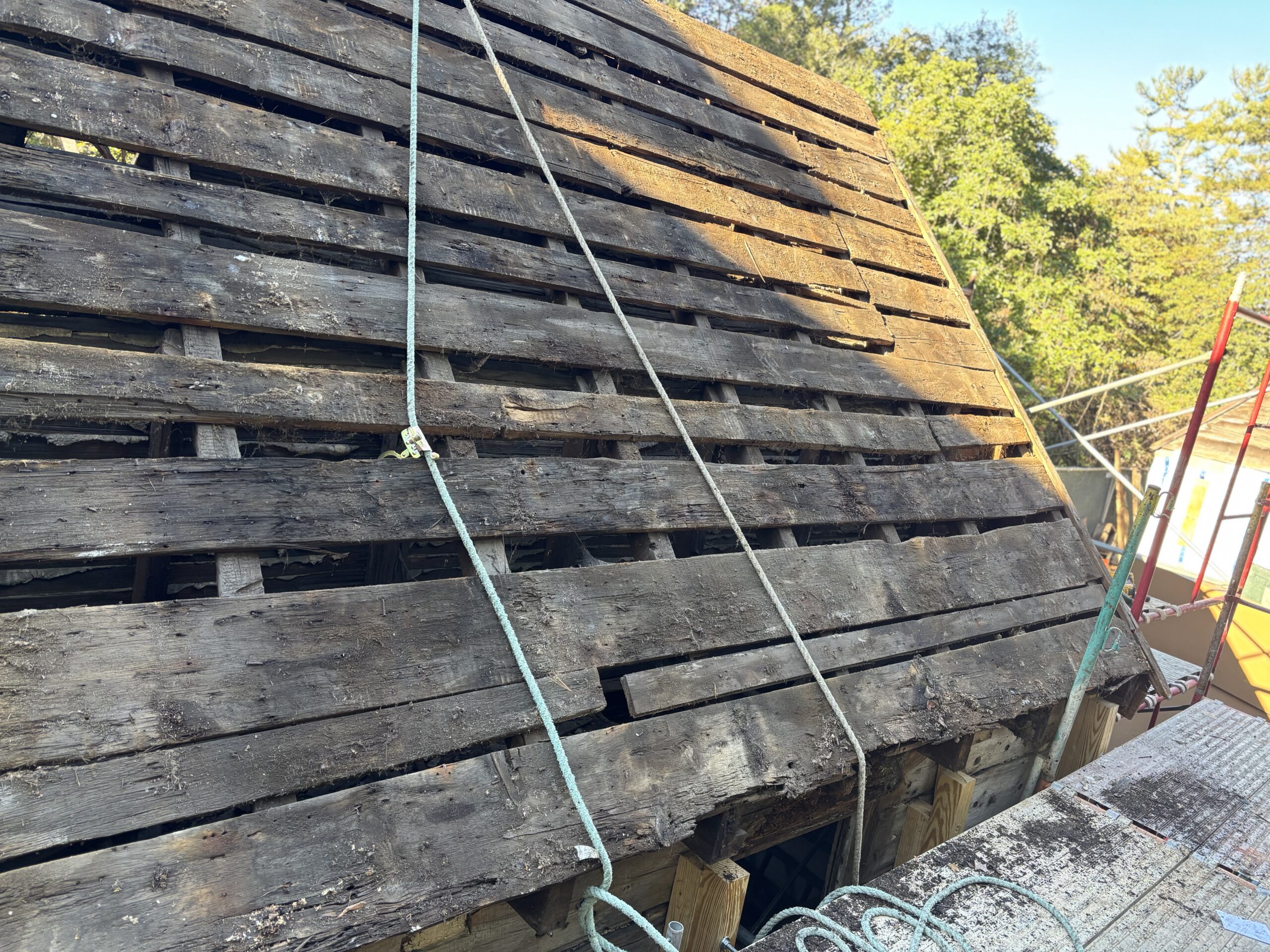
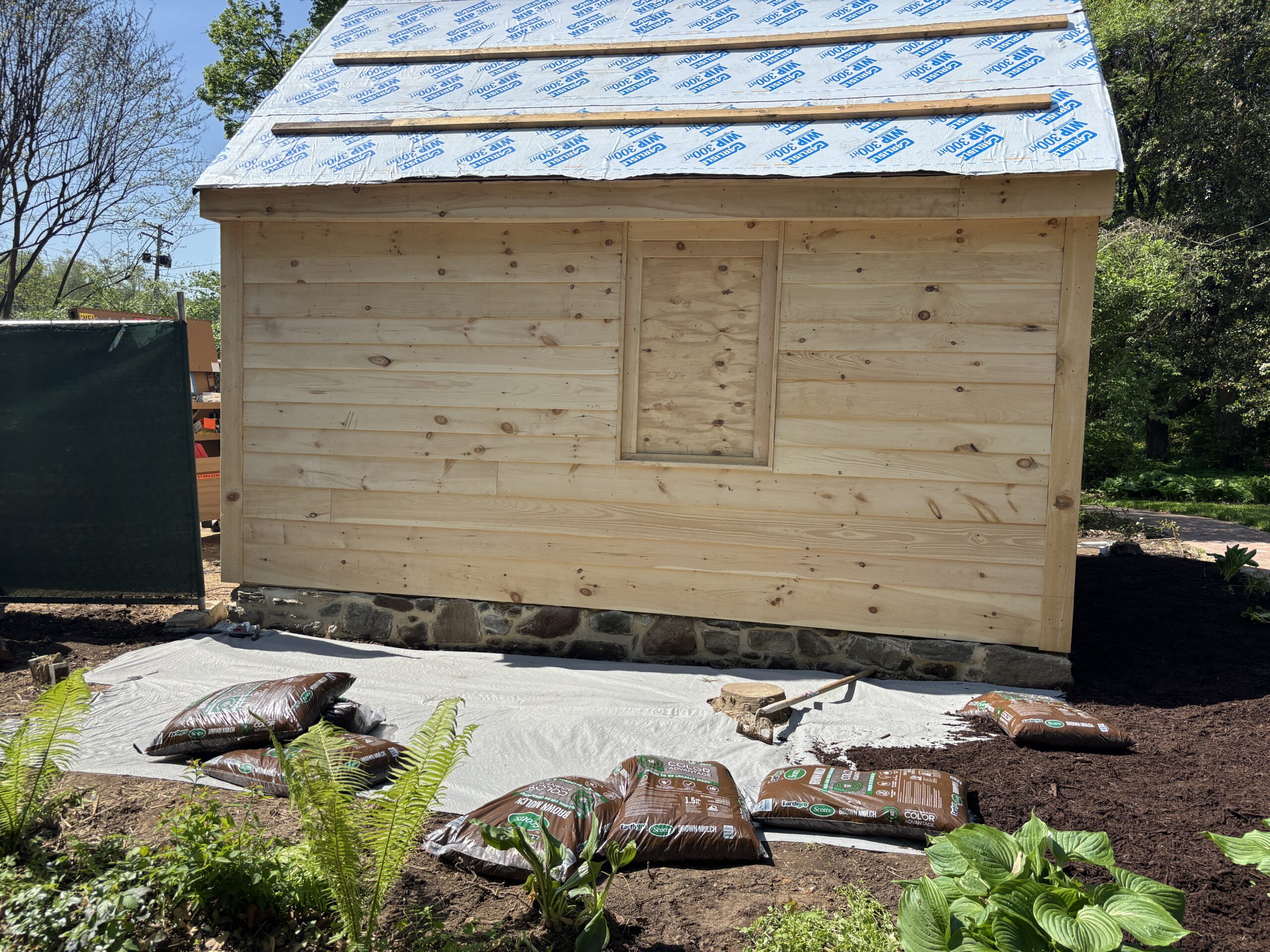
We prioritize the preservation of original materials, carefully repairing and reusing historic wood planks and stone foundations to maintain authenticity.
Architectural Elements of Elkridge Furnace
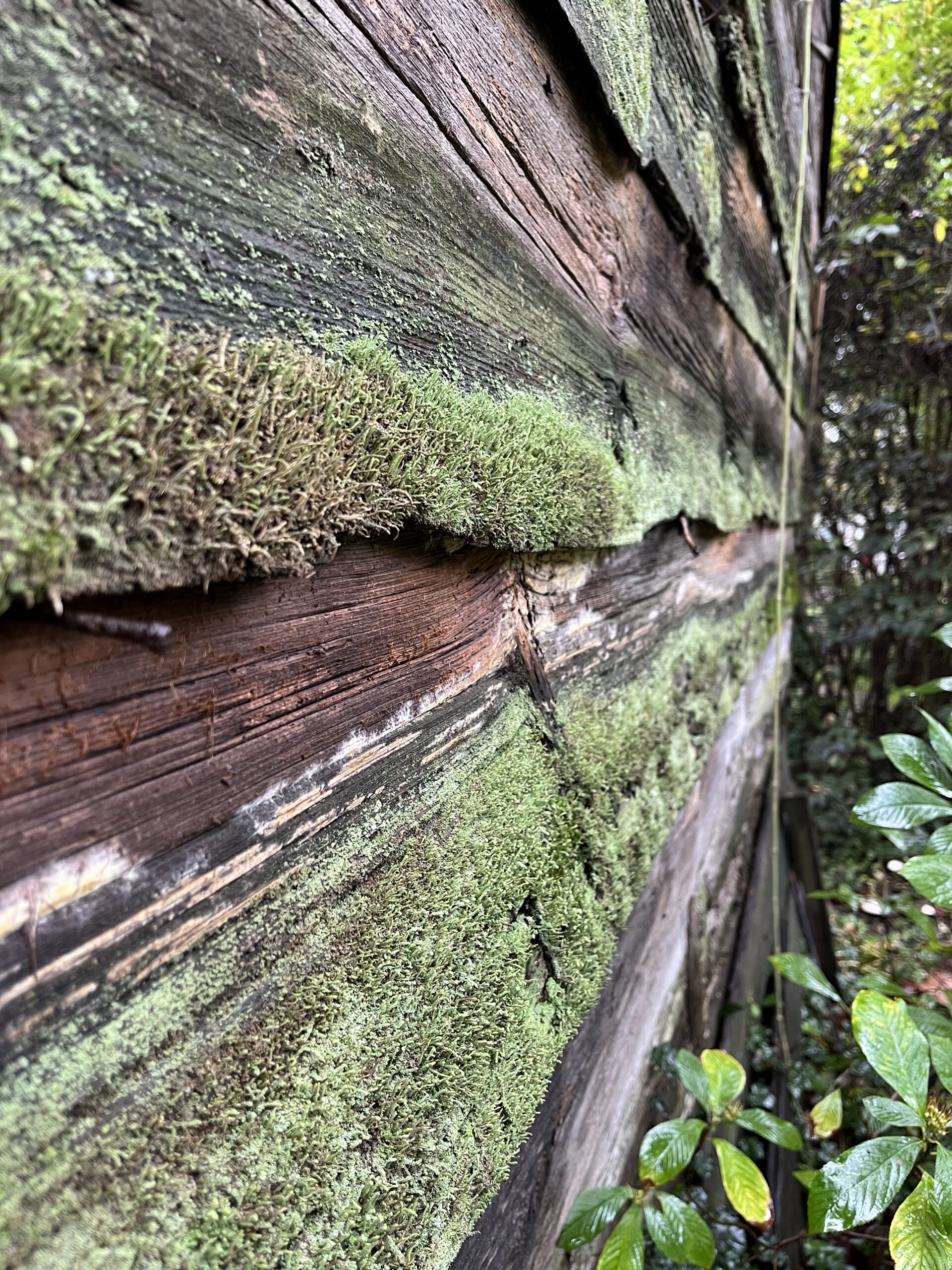
Horizontal Plank Construction
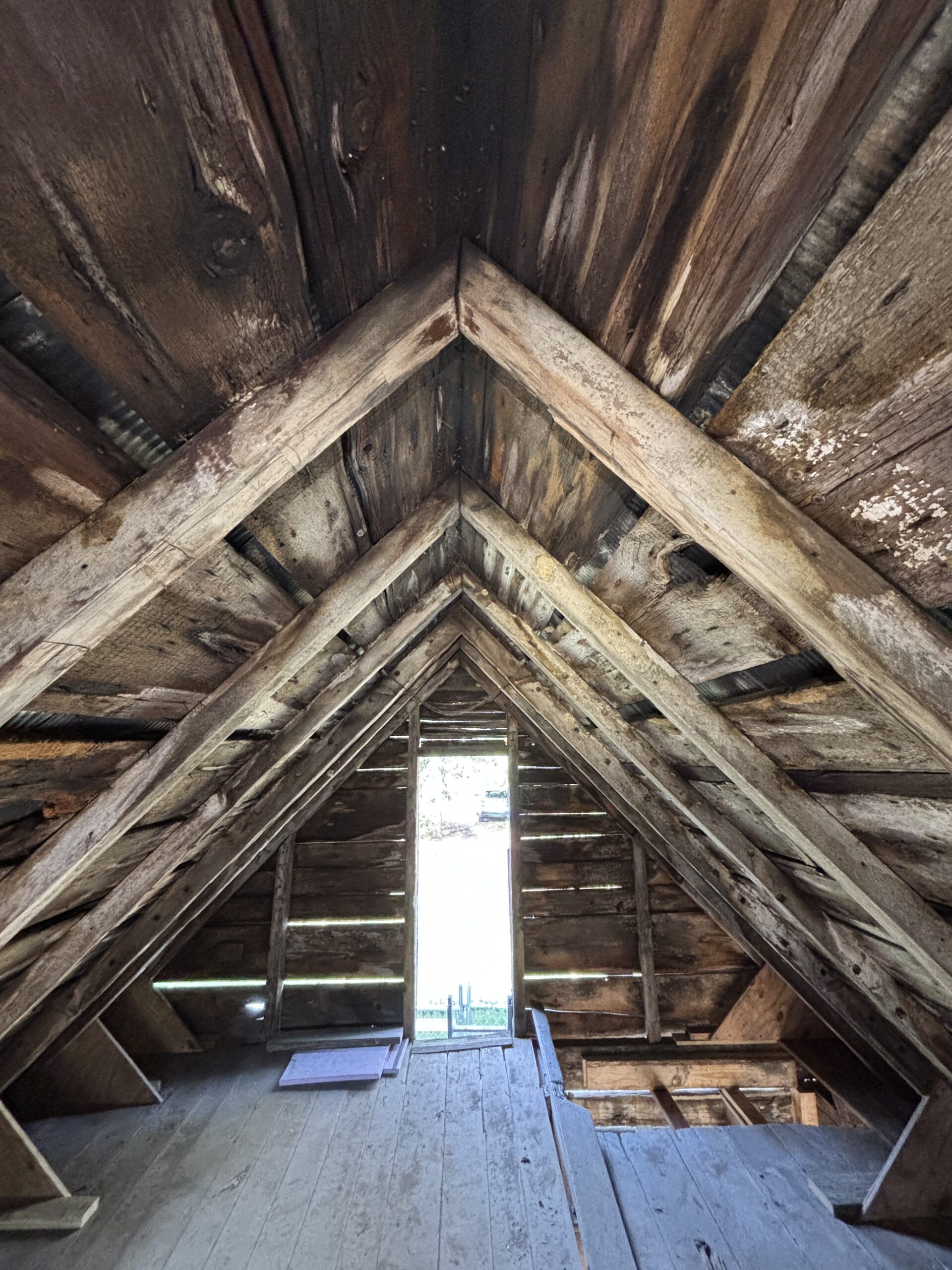
These buildings are among the last surviving examples of horizontal plank construction in Maryland, a technique once prevalent for worker housing and outbuildings.
Dovetail Joinery
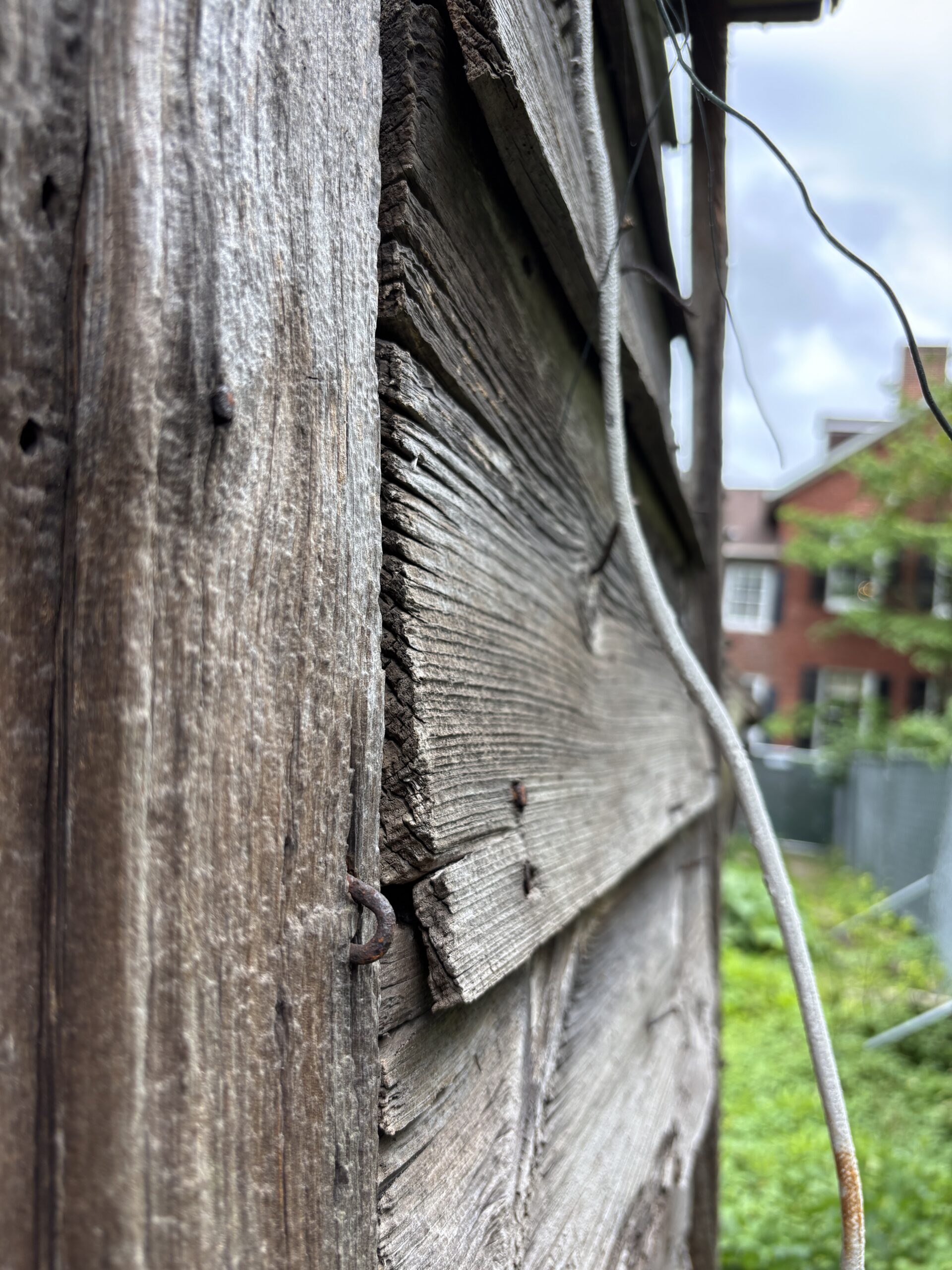
The structures feature intricate dovetail joinery, showcasing the craftsmanship and durability intended by their builders.
Historic Lime-Based Mortar
Set on rubble stone foundations, the use of lime-based mortar highlights traditional building practices and local material sourcing.
Lives Interwoven with Industry
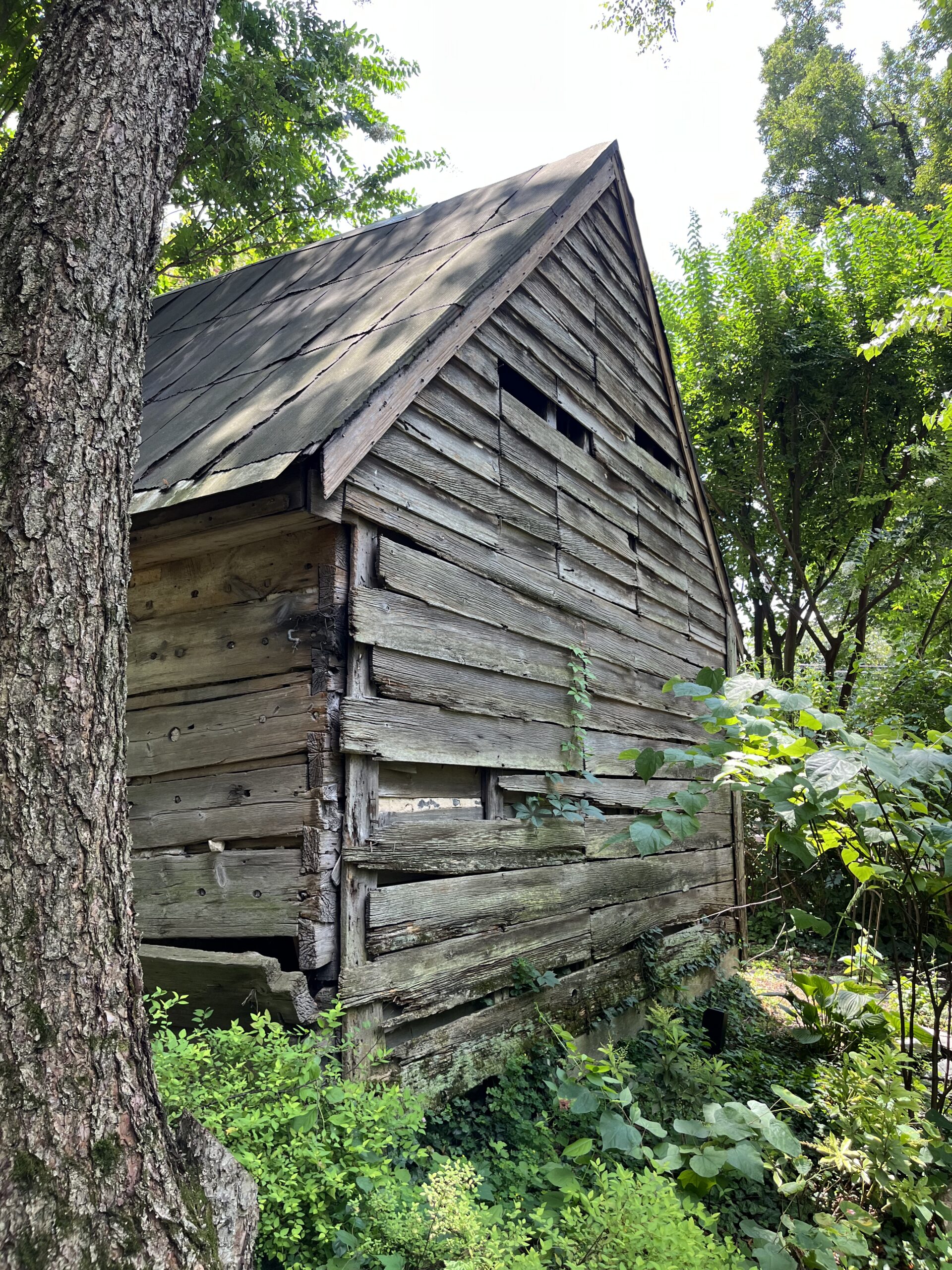
Within the walls of these historic plank houses, the echoes of past lives resonate. These structures were home to individuals who played vital roles in the furnace operation, whether as enslaved workers or free laborers. Their daily lives were intertwined with the industrial heartbeat of Elkridge, shaping the community’s economic and social fabric. The artifacts unearthed here, from simple tools to personal items, paint a vivid picture of resilience and adaptation in a time of profound change.
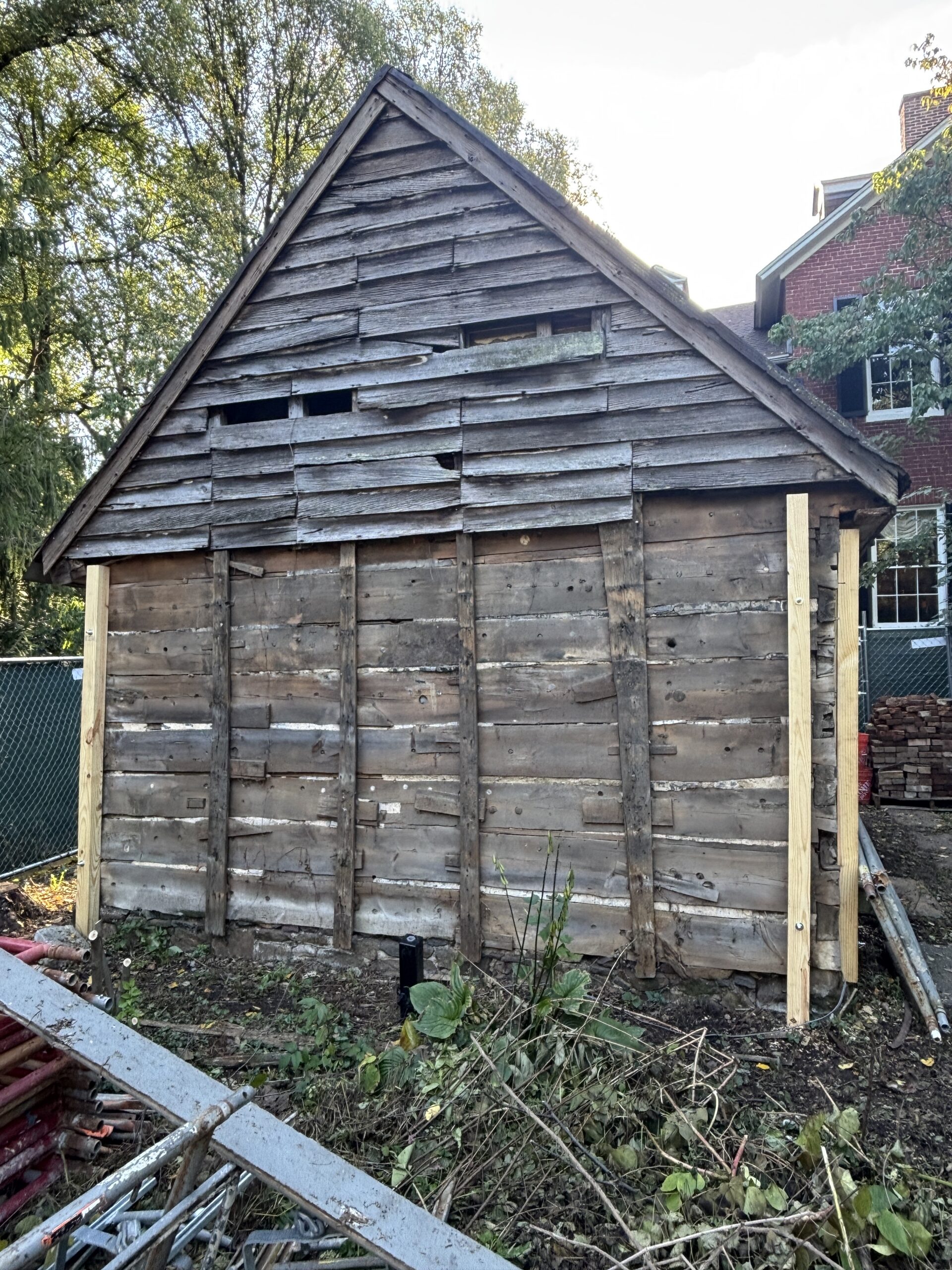
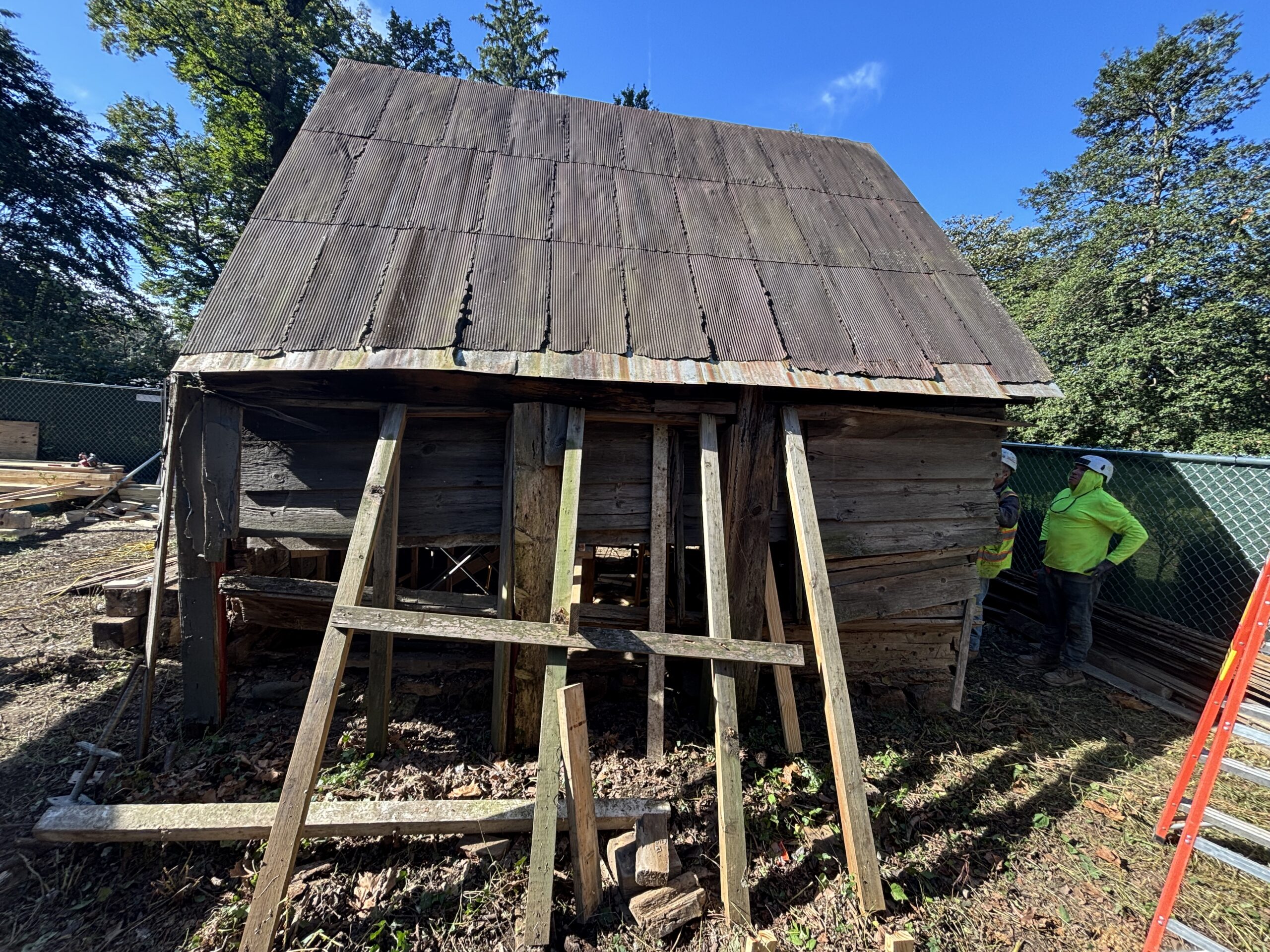
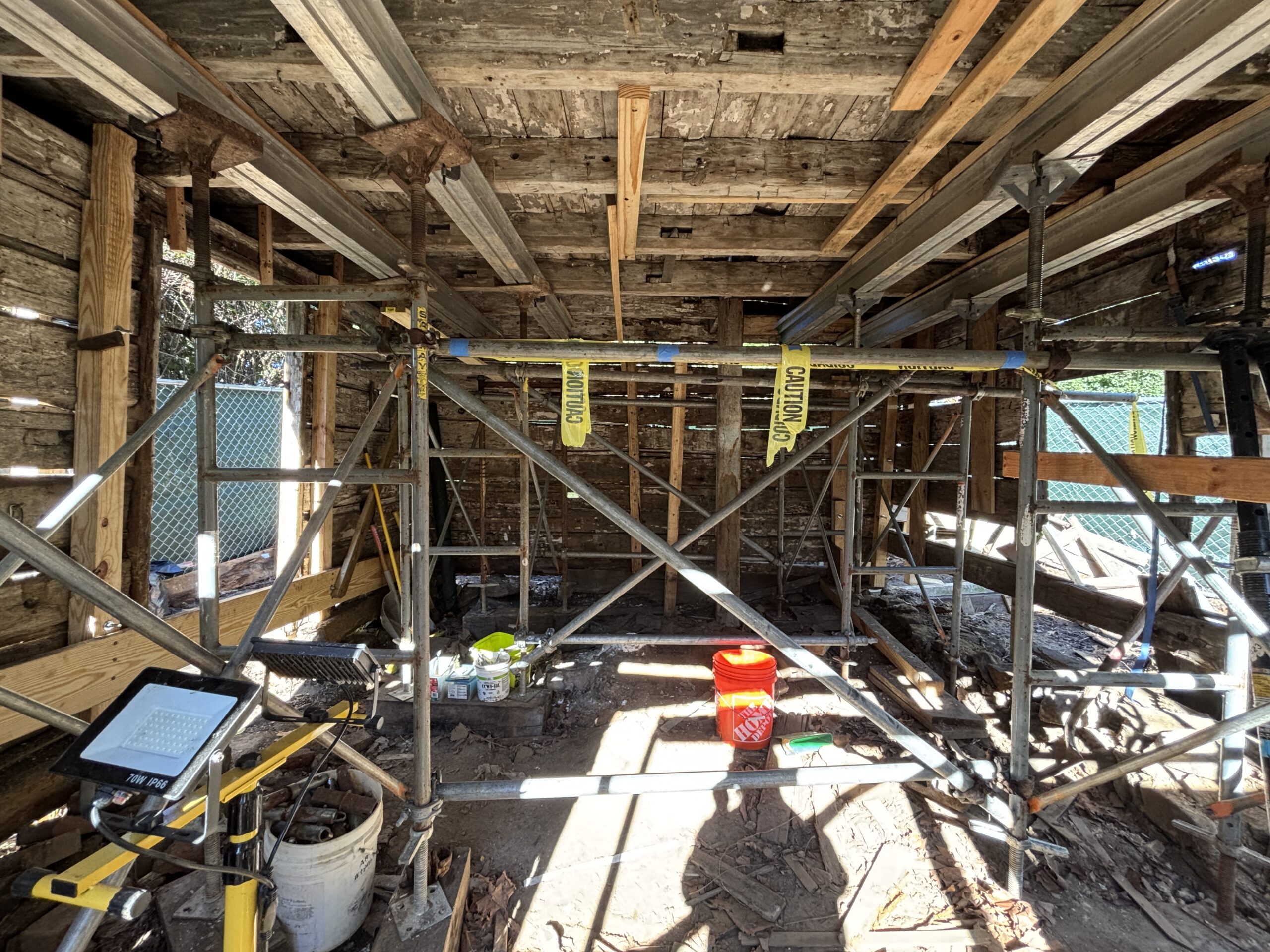
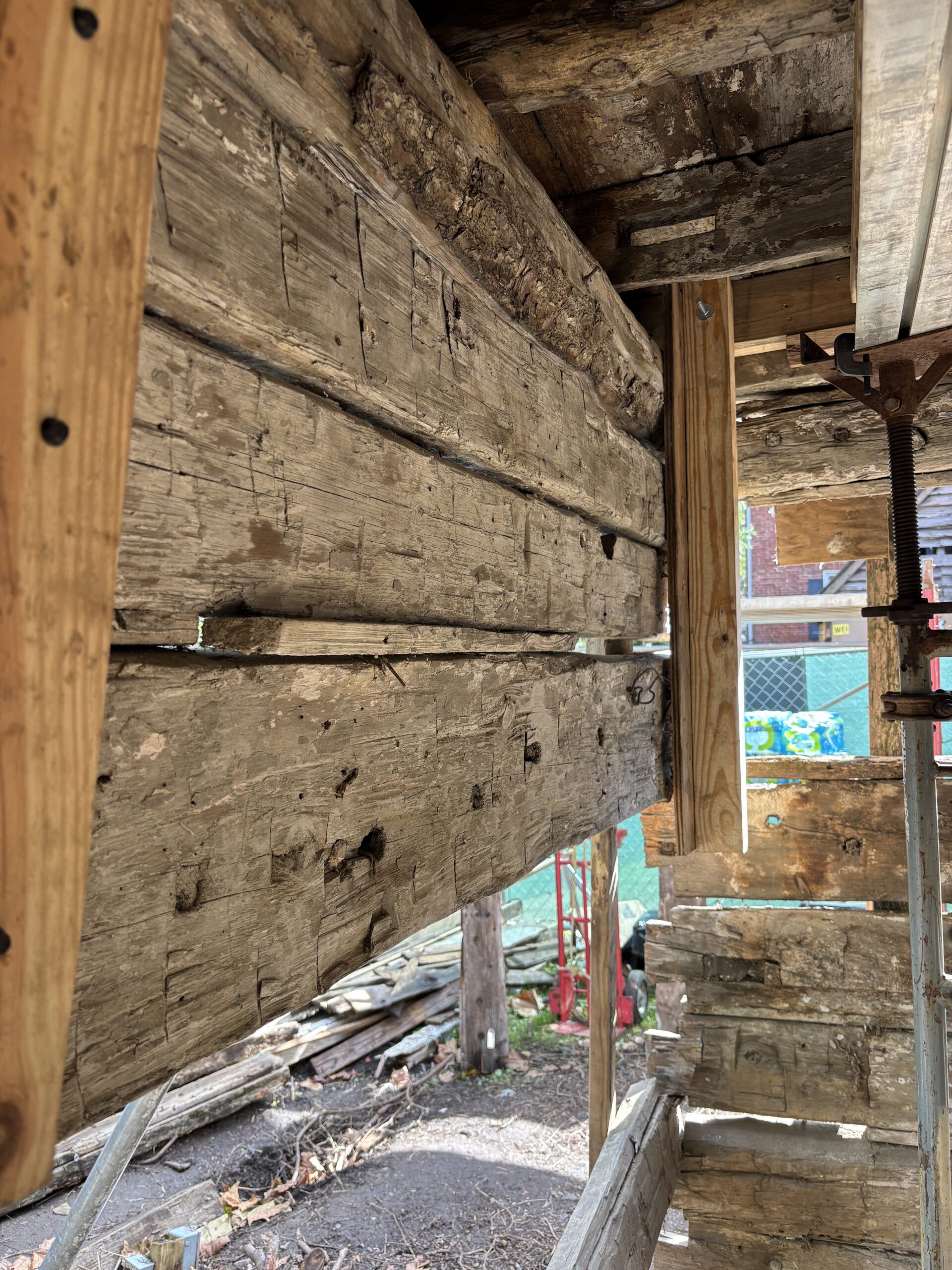
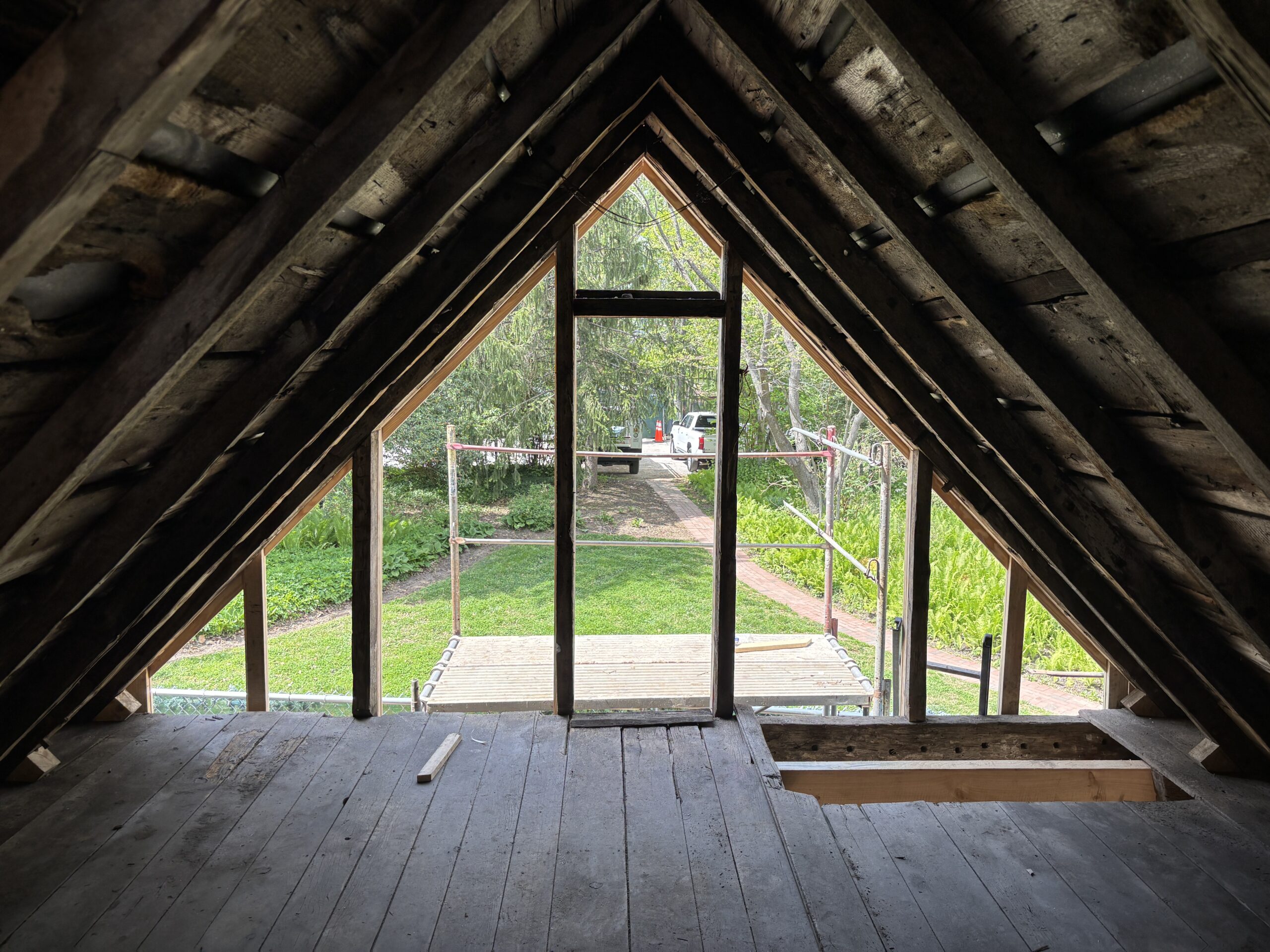
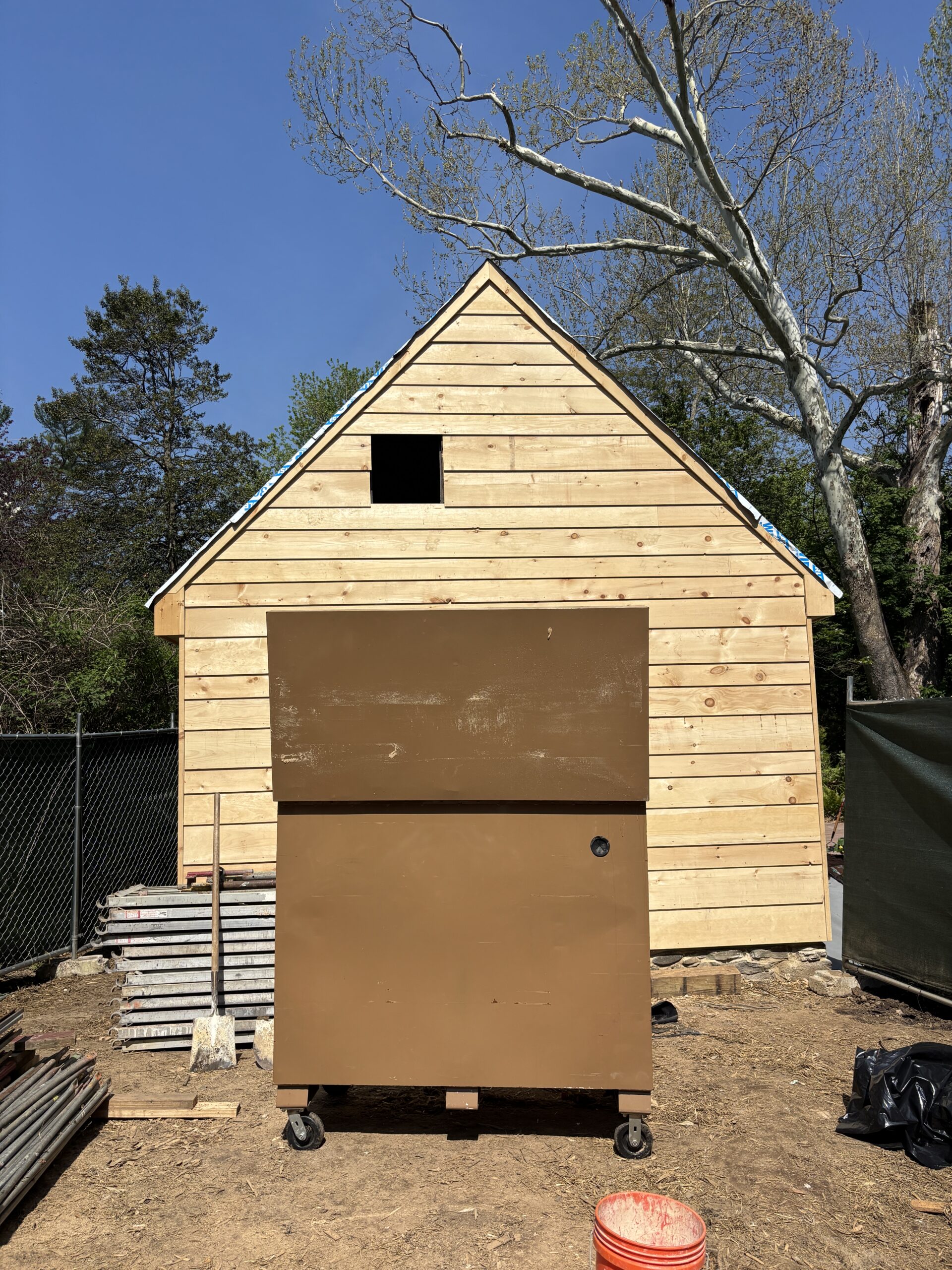
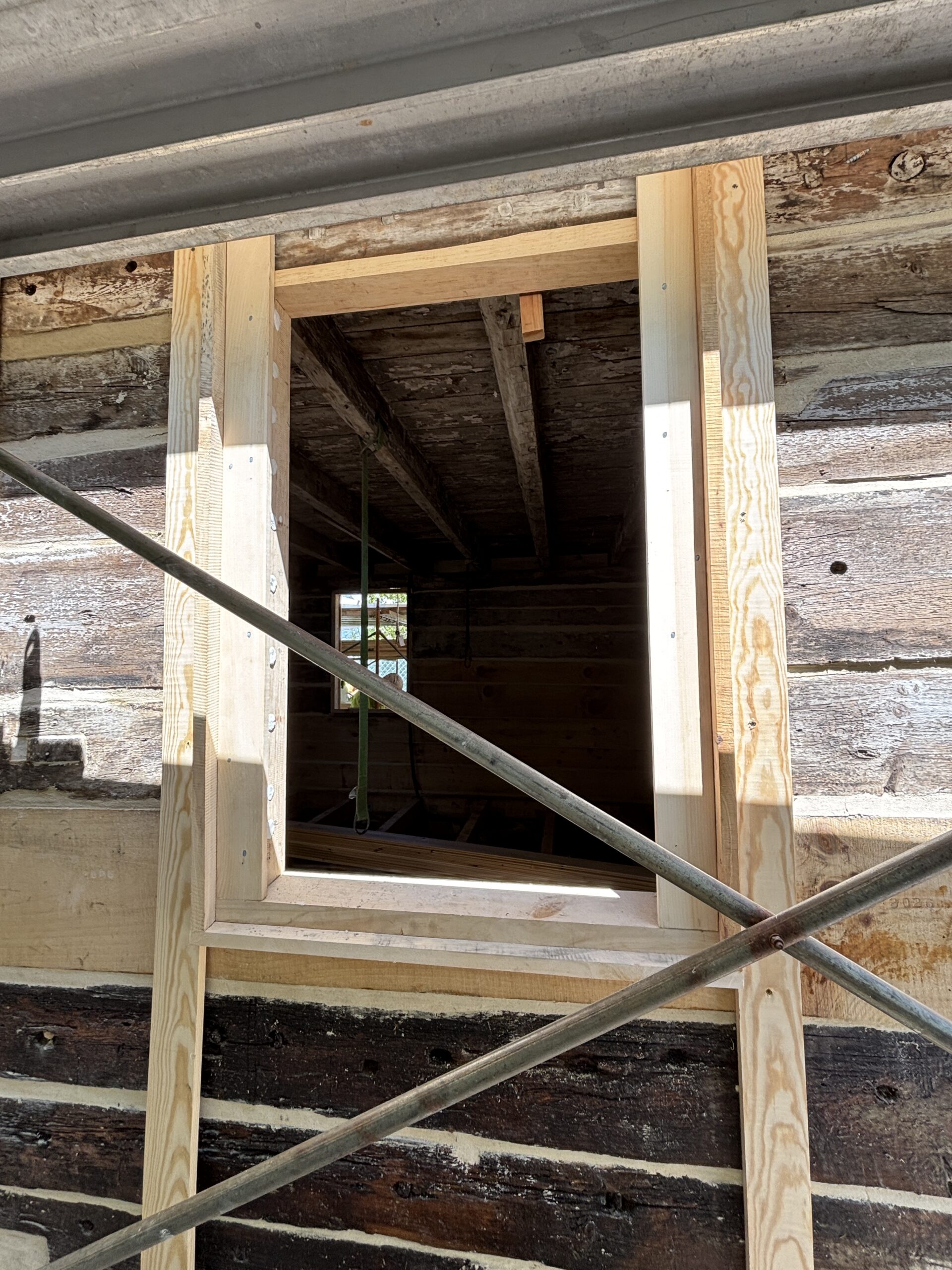
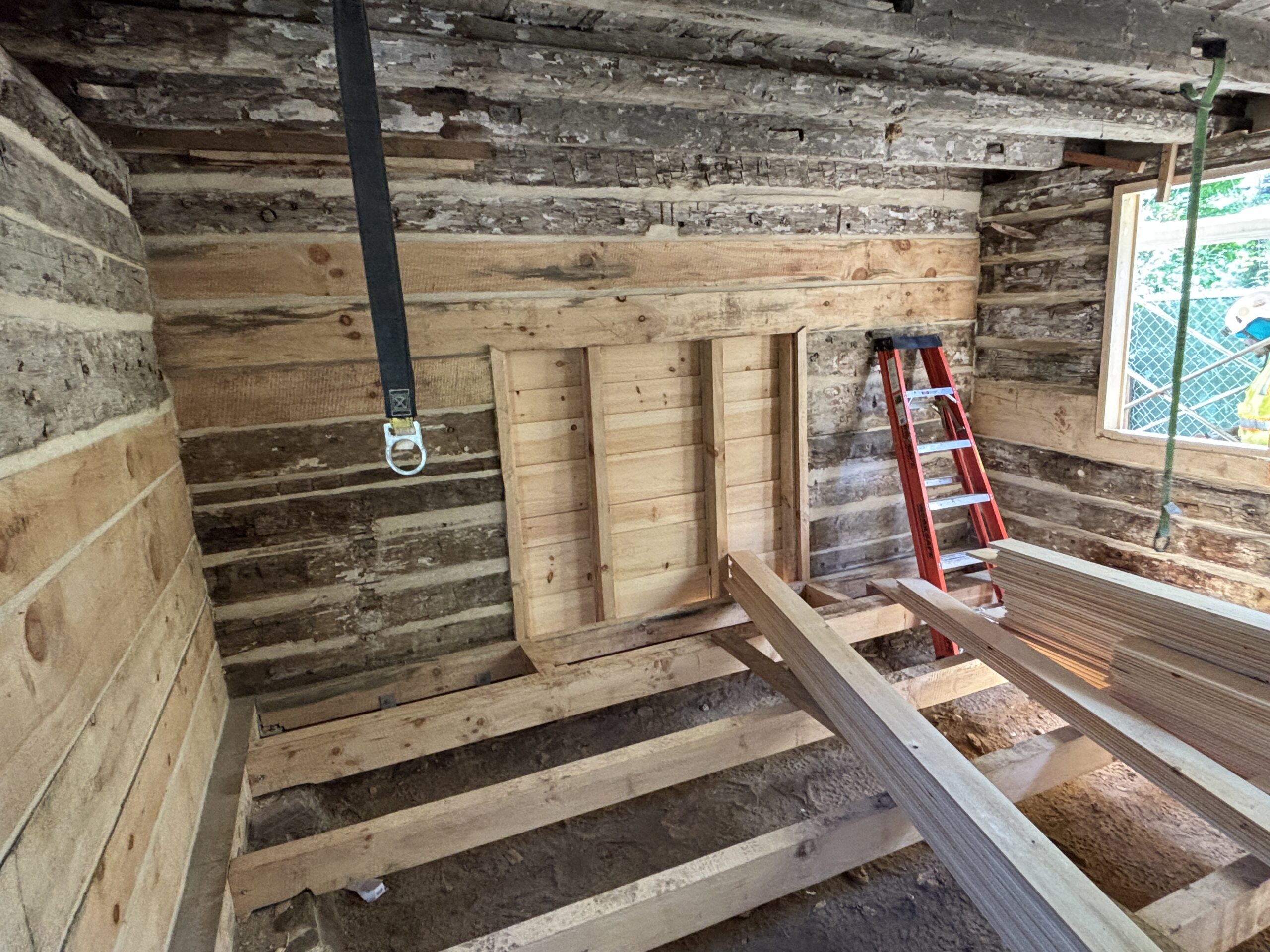
Progress Photos

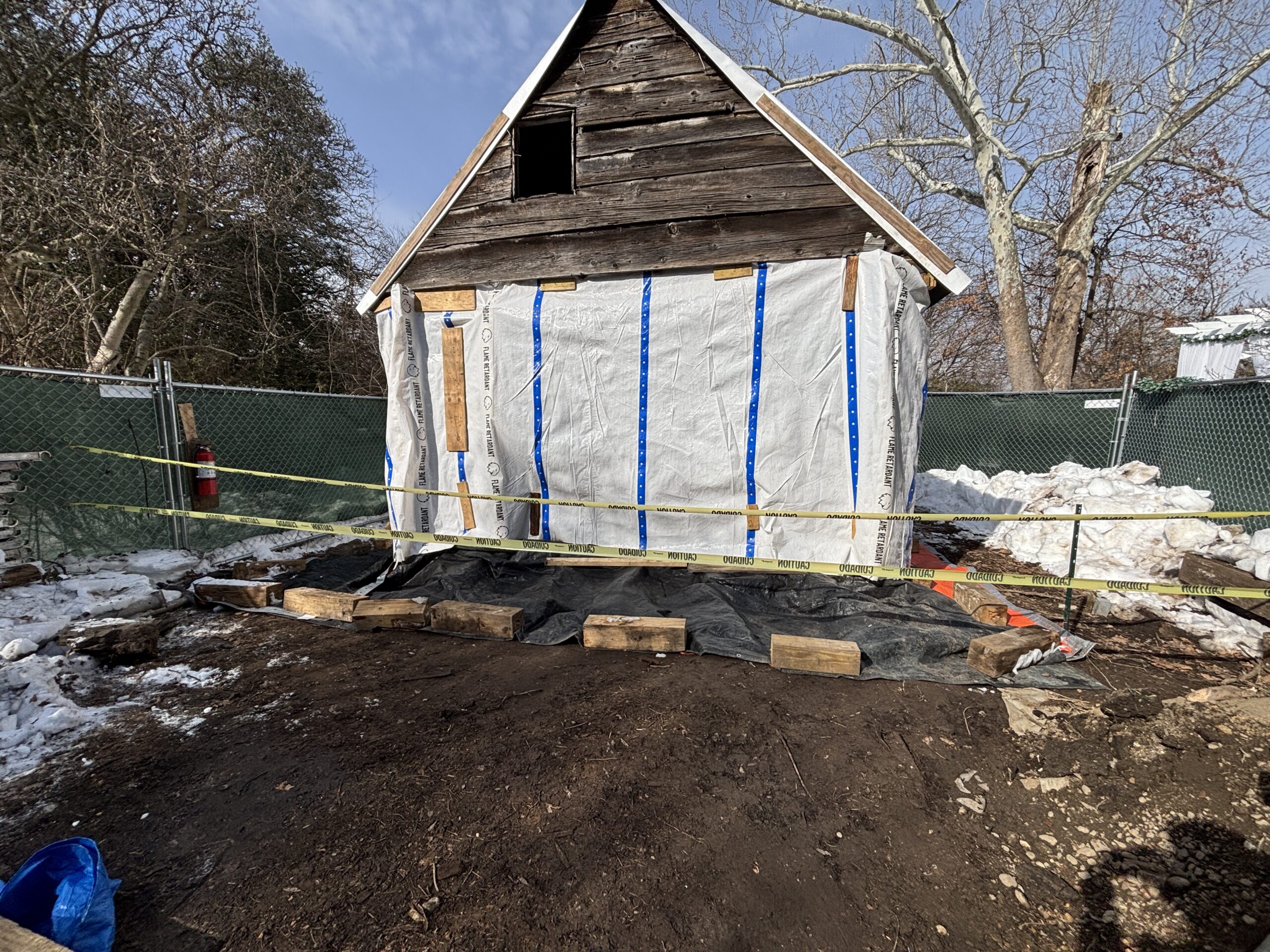
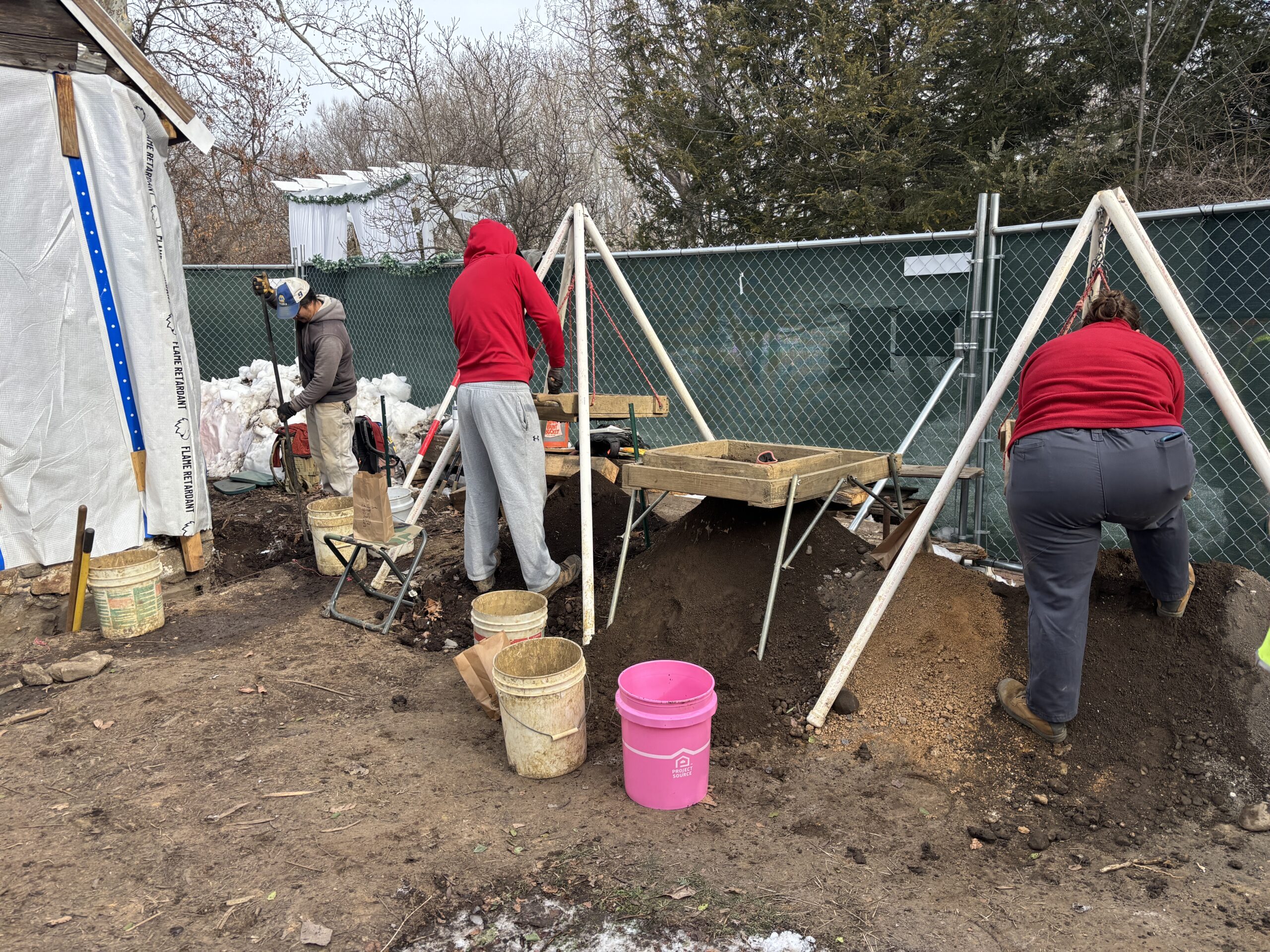
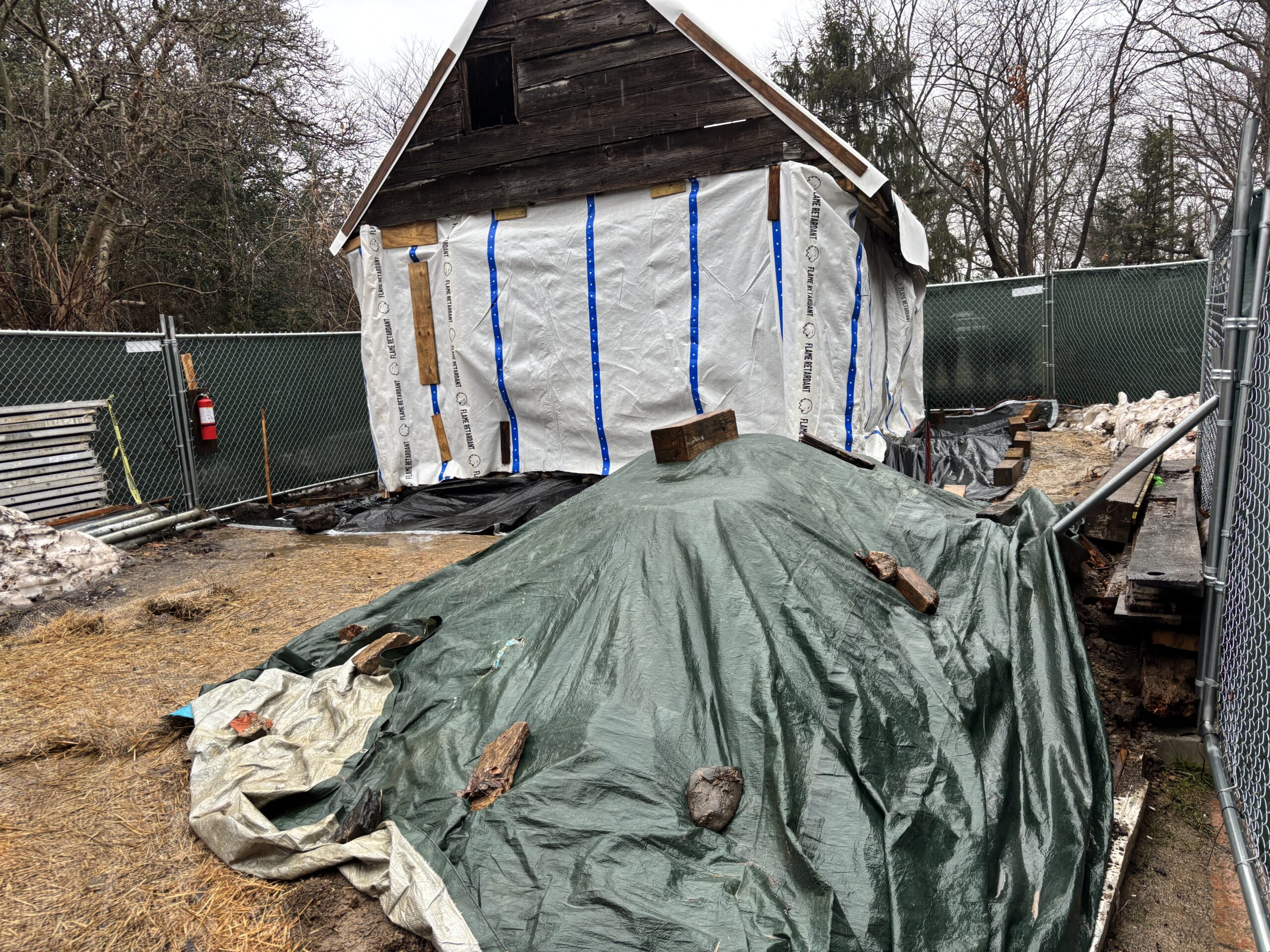
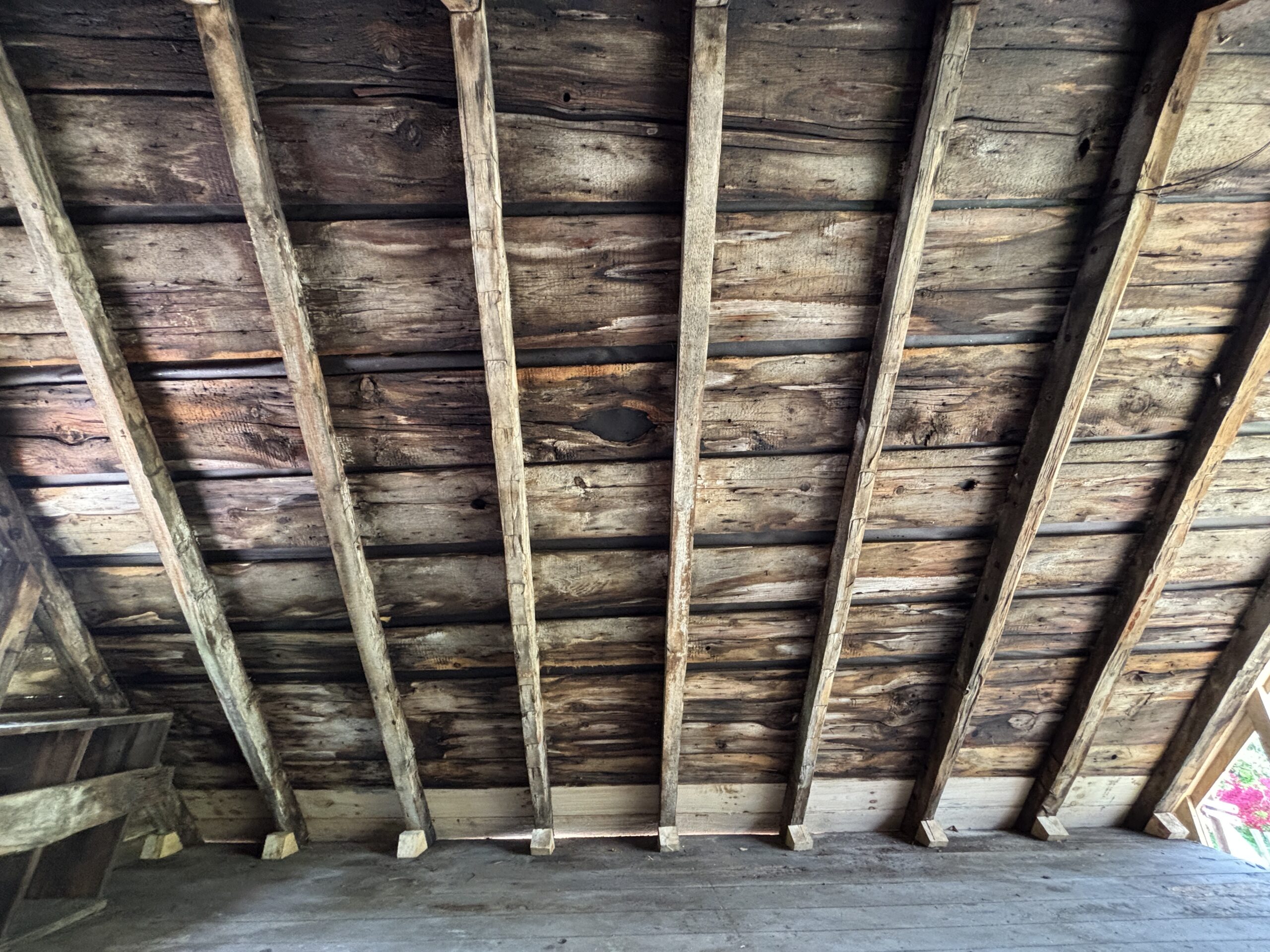
Join Our Preservation Efforts
Your contribution can make a significant difference in preserving Maryland’s rich history. Together, we can ensure these stories endure for future generations.