
This spring, Preservation Maryland/Smart Growth Maryland staff have been keeping a close eye on the topic of data centers. We even signed up for eblasts from two opposing coalitions, the “anti-data center” group Marylanders for Data Center Reform, and the “for-data centers” group, the Data Center Alliance of Maryland, to keep track. The term “data center,” which was barely in common lexicon just a few years ago, is now topping newspaper headlines daily across the country. As we previously reported, in Five Reasons Data Centers Matter for Historic Preservation, Maryland’s geographic position between energy-user Virginia and energy-exporter Pennsylvania, plus proximity to Washington, D.C. makes the conversations and impacts highly relevant. As data center proposals accelerate, so do the policy, infrastructure, and preservation questions surrounding them.
- Local land use debates are intensifying. From a pause on data center permitting in Baltimore County, to a referendum in Frederick County that gathered over 15,000 signatures, the local fights over data centers is a galvanizing issue across Maryland and nationwide. Concerns over energy demand, water usage, local control, and tax incentive skepticism is bringing together coalitions that blur traditional political lines in many localities. Cited in a recent article, between May 2024-March 2025, $64 billion in data center projects have been blocked or delayed by bipartisan opposition groups.
- State and federal controls are limited. After the Maryland legislature overrode Governor Moore’s veto on SB 116 (the report is expected September 1, 2026), this legislative session included numerous bills attempting to curb the local impacts of data centers. From a moratorium on new data centers proposed by HB120, a sales tax incentive repeal by BH560, requiring co-location with other power generation infrastructure in BH799, and several others. Several provisions aimed at data centers were included in the Utility RELIEF Act before the close of session. In 2025, Maryland became the first state in the nation to require data centers to pay their fair share for electricity and grid enhancements with the Next Generation Energy Act, which requires large data centers to pay a special electricity rate designed to finance statewide electric grid improvements. At the federal level, newly signed ratepayer protections pledges signal a shift away from “growth growth growth” to some consumer protections, but how these pledges play out is yet to be seen.
- Corporations and energy institutional systems not aligned. One way around needing ratepayer protections is if data centers generate their own power. Maryland-based TeraWulf is trying to purchase a formerly shuttled coal plant, highlighting the ongoing tension between energy demand, infrastructure needs, and sustainability goals. TeraWulf plans to repower the plant with natural gas, not coal, but questions remain about the amount of power that would be diverted to the data center instead of being available to the grid. This proposal has received pushback from institutions in the energy space that want to require data centers that produce their own power to be connected to the grid. A 2025 study on retail electricity prices shows Maryland remains above the national average.
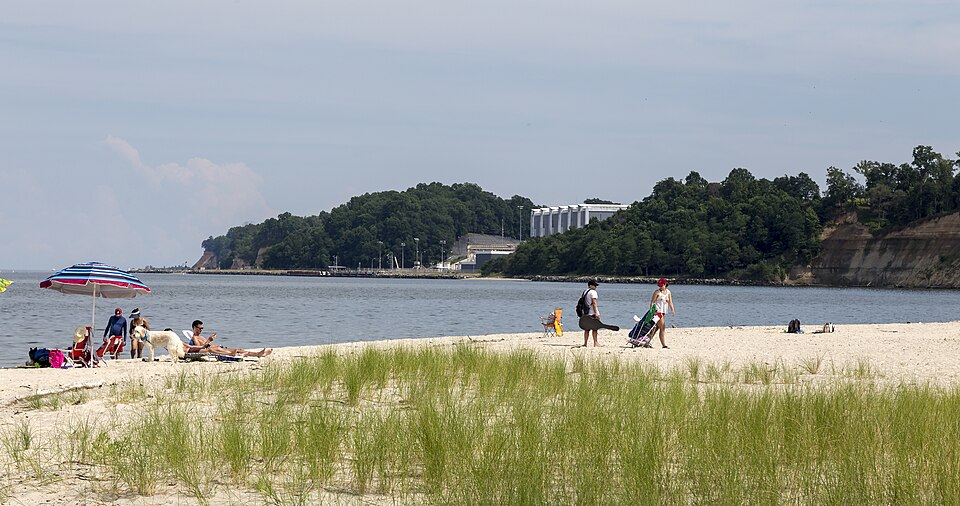
- Impacts to historic resources require greater attention. Recent reporting by the Baltimore Banner shows a proposed Amazon Web Services data center near the Calvert Cliffs Clean Energy Center, a nuclear power plant owned by Baltimore-based Constellations, would “obliterate” historic resources that are listed on the Maryland Inventory of Historic Places. Seeing as maps identifying Maryland’s historic resources are freely available on the state’s MEDUSA online database, it’s clear that early-stage planning of data centers can better avoid historic resources. Thoughtful review of historic resources, environmental sensitive areas, and protected lands before placing – in this case – over a million square feet of buildings on a proposed site map could avoid costly delays or local opposition.
As data center development continues to expand, Maryland is at a pivotal moment in shaping how – and where – this growth occurs. The convergence of local land use debates, evolving policy frameworks, energy infrastructure questions, and impacts to historic resources underscores the need for a more coordinated and forward-looking approach. Thoughtful resource planning, clear regulatory guidance, and early consideration of community and historic assets will be essential to balancing data center development with long-term sustainability and preservation goals. By engaging proactively, state and local leaders have an opportunity to ensure that decisions made today support resilient communities and reflect Maryland’s broader planning and preservation priorities.