As the Maryland Zoo celebrates its 150th birthday, few structures better embody the layered history of the grounds than the Mansion House, an enduring symbol of transformation, resilience, and public life in Baltimore.
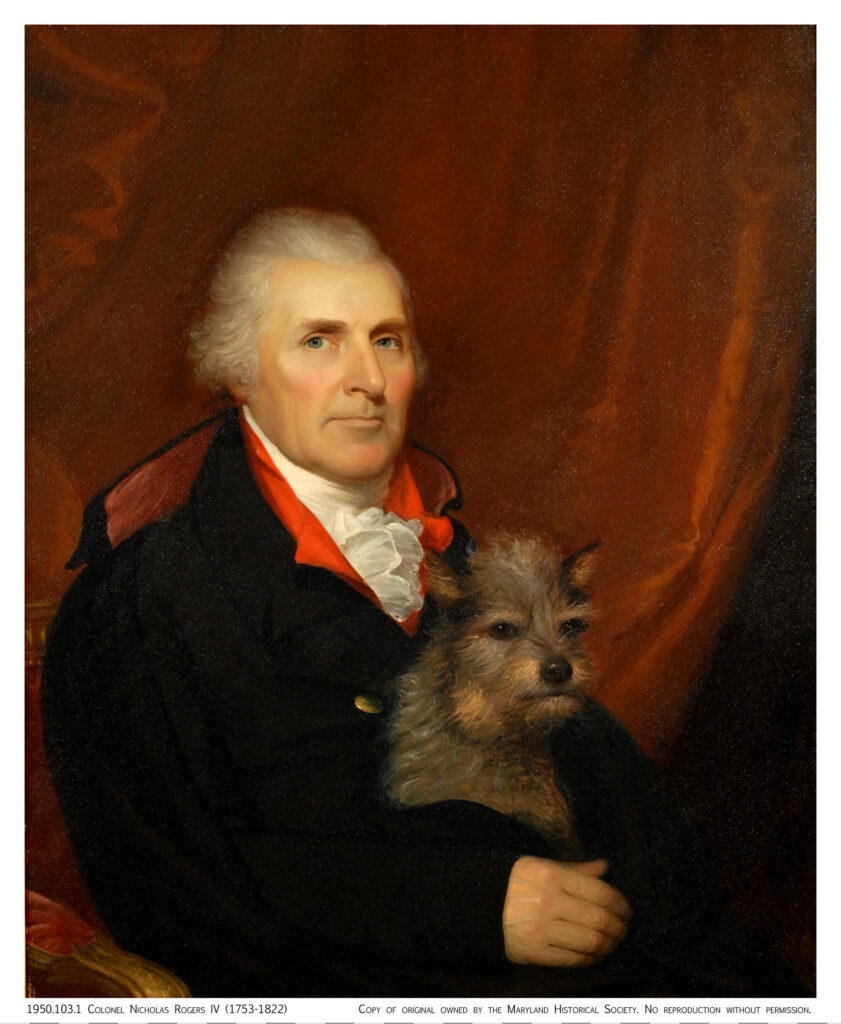
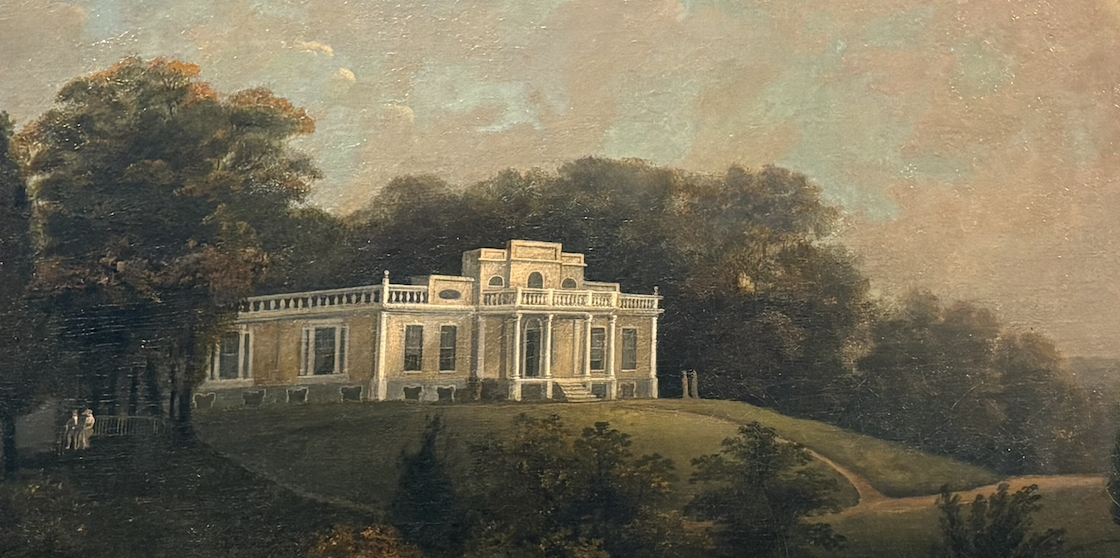
The Mansion House, as it stands today, was constructed in 1801, making it the third residence built on what would later become Druid Hill Park. Its predecessor, designed by Colonel Nicholas Rogers in the late 18th century, was lost to fire in 1796; the Rogers family’s temporary home in Baltimore burned in 1801, forcing their return to the estate before construction of the new house was complete.
Image: Colonel Nicholas Rogers IV C/o MCHC
The resulting structure was elegant but unfinished as two planned wings were never built. Inside, the home reflected early 19th-century domestic life: a basement kitchen and storage areas, formal entertaining rooms along the rear of the first floor, and private chambers above. It was a home designed for both function and refinement, set within a vast rural estate.
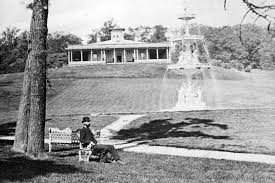
In 1860 Lloyd Nicholas Rogers sold the 475-acre property to the city, paving the way for the creation of Druid Hill Park. Rogers departed the mansion the day after the park’s opening and died just weeks later.
By 1863, under the direction of John H. B. Latrobe, the Mansion House was transformed into a public pavilion. Its architecture evolved with the times: the original entrance gave way to a sweeping wraparound porch, and the interior was “Victorianized” with Gothic arches, ornate ceilings, and a dramatic staircase leading to a cupola. What had once been a private estate became a gathering place for the public, a shift that mirrored the broader democratization of urban green spaces in America.
In 1935, another reinvention took place. The porch was enclosed, and the Mansion House briefly became a restaurant, boldly advertised as “every man’s country club in the very heart of Baltimore.” With features like curb service, a Milk Bar, and even a doughnut-making machine, it captured the spirit of the era, though its success was short-lived, likely due to the absence of a liquor license.
The mid-20th century saw the building adapt yet again. It served as a day school for the Young Men’s and Women’s Hebrew Associations before becoming home to zoo administrative offices. By the 1950s, its porch hosted the “Hall of Jewels” exhibit, filled with exotic birds and small mammals. For nearly three decades, visitors knew it simply as the “Bird House.”
A major restoration effort began in 1978, marking a turning point in the building’s preservation. The animals were relocated, and the Mansion House transitioned fully into administrative and educational use. Further investment in the late 1990s and a comprehensive renovation in 2012 brought modern comforts like air conditioning while preserving its historic character.
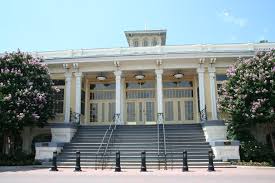
Today, the Mansion House stands restored to its original grandeur. Still serving as a hub for zoo operations, it has also become a venue for events. More than two centuries after its construction, it remains a living centerpiece of the zoo bridging past and present as the institution celebrates 150 years.
Other Interesting Historic Structures at the Zoo
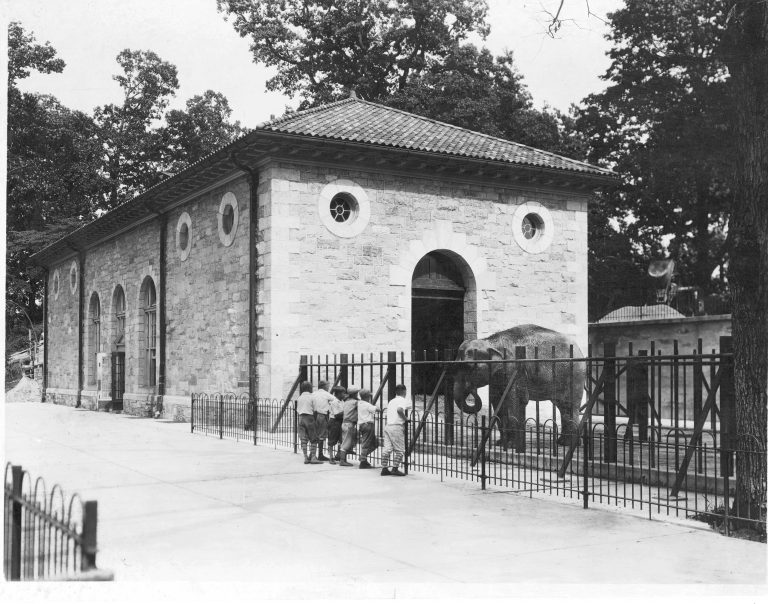
- The Maryland Zoo itself (founded 1876)
- One of the oldest zoos in the United States
- Established within Druid Hill Park, reflecting a 19th-century movement to combine recreation, education, and natural science
- The Original Zoo Core aka Main Valley (late 19th–early 20th century)
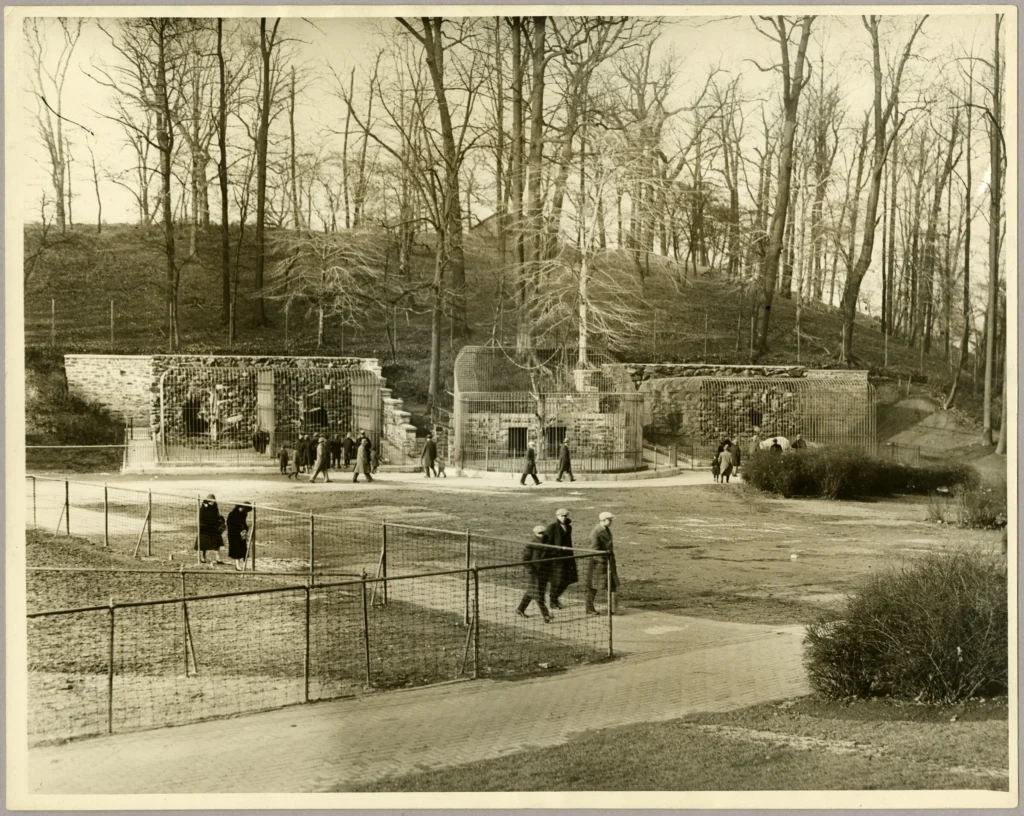
- Early animal enclosures reflected Victorian-era zoo design—smaller, more ornamental, and focused on display rather than habitat simulation
- Many early structures have been replaced as zoo philosophy shifted toward conservation and animal welfare
- The zoo is currently working on redevelopment projects to reinvigorate Main Valley, the oldest portion of the (nation’s third oldest) zoo
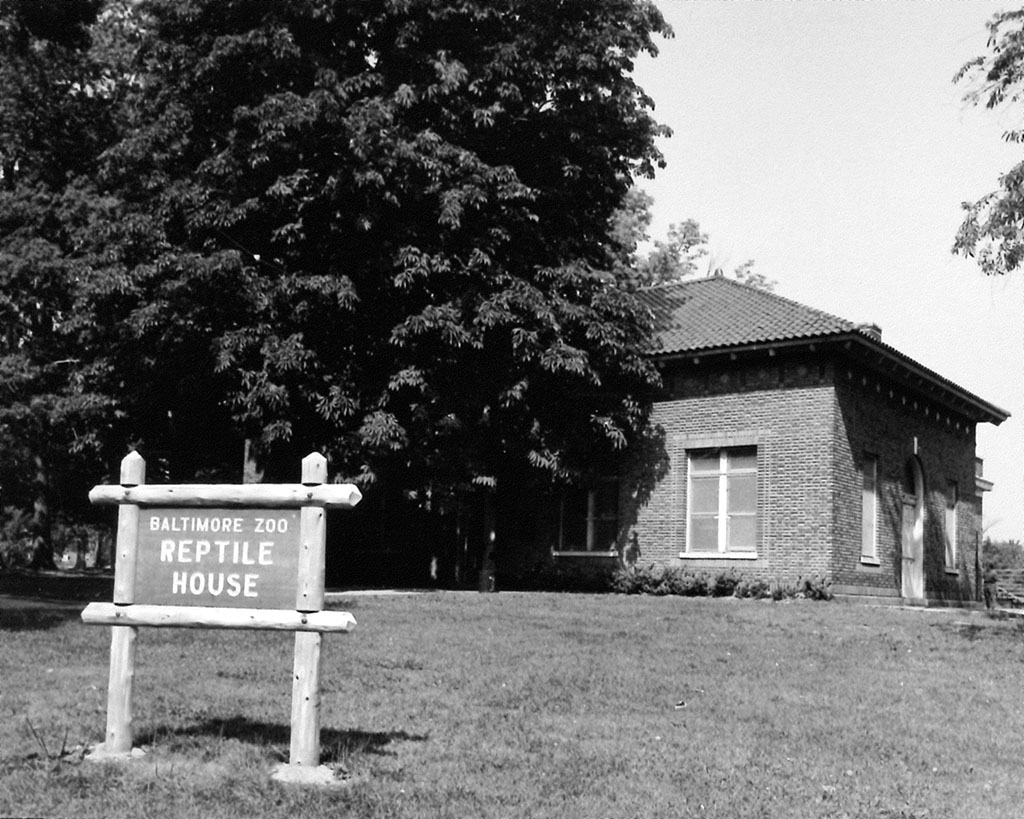
- The Reptile House (historic iteration)
- The “Hall of Jewels” (Mansion House Porch, 1950s–1970s)
- A beloved exhibit featuring birds and small mammals
- Helped cement the Mansion House’s identity as the “Bird House” for a generation of visitors