
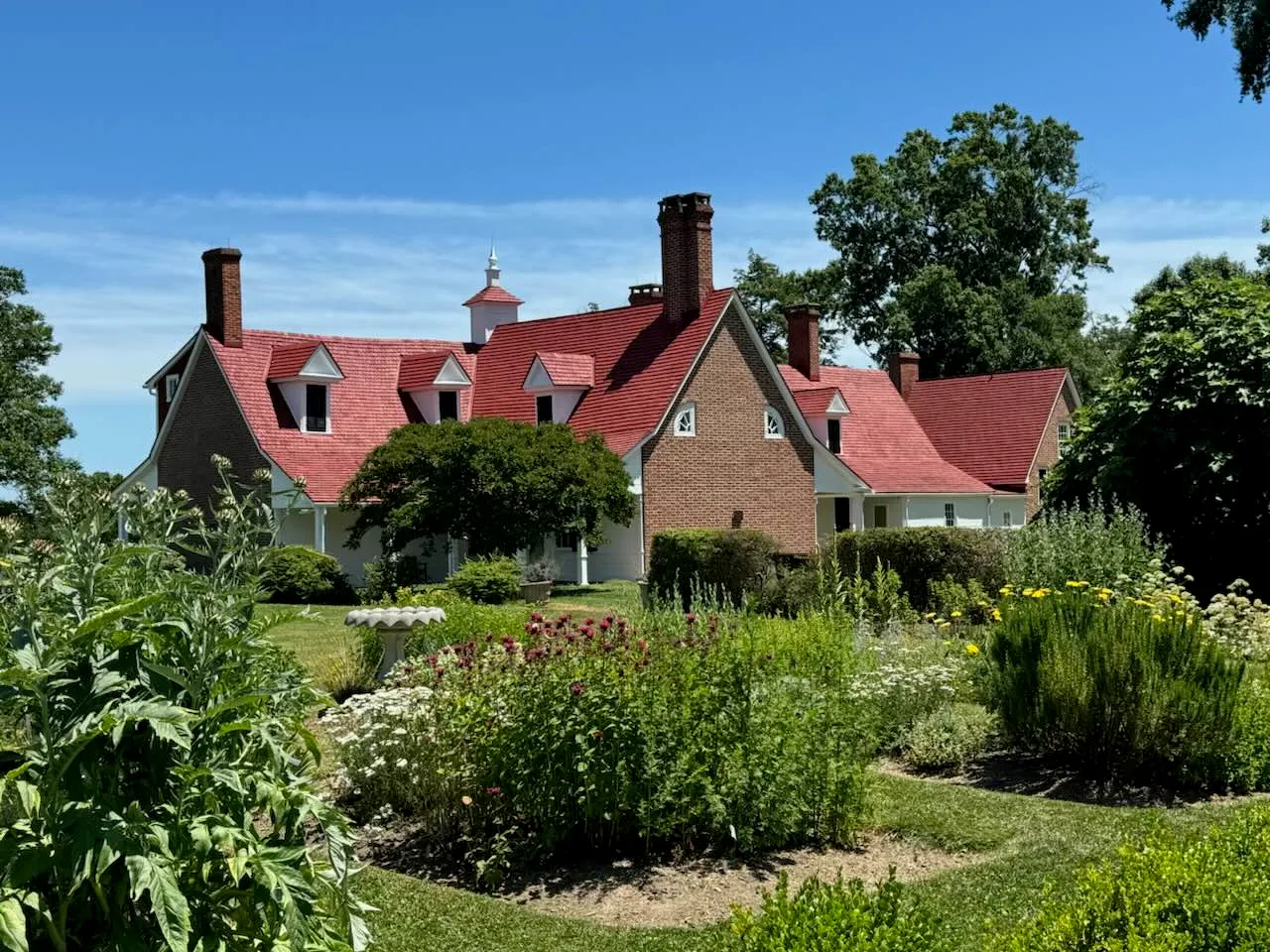
The recent grand opening of the new Visitor Experience Center at Historic Sotterley marks an important milestone for one of Maryland’s most significant historic sites and for the evolving future of how we tell complex, layered stories of place.
Located along the Patuxent River in St. Mary’s County, Sotterley is a 300-year-old National Historic Landmark with a history that spans colonial ambition, the realities of slavery, and ongoing efforts toward reconciliation and inclusive interpretation. Today, it stands as the only Tidewater plantation in Maryland open to the public, offering a powerful and unflinching look at the state’s past.
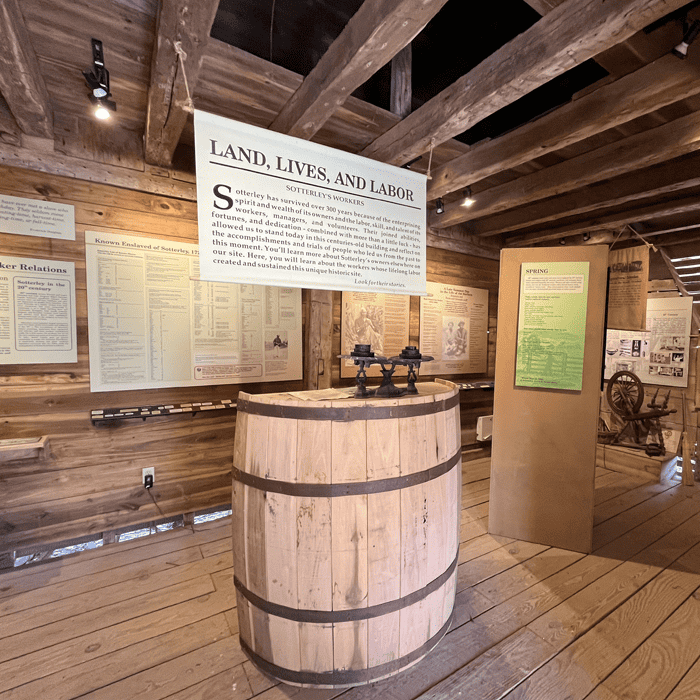
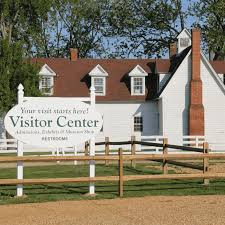
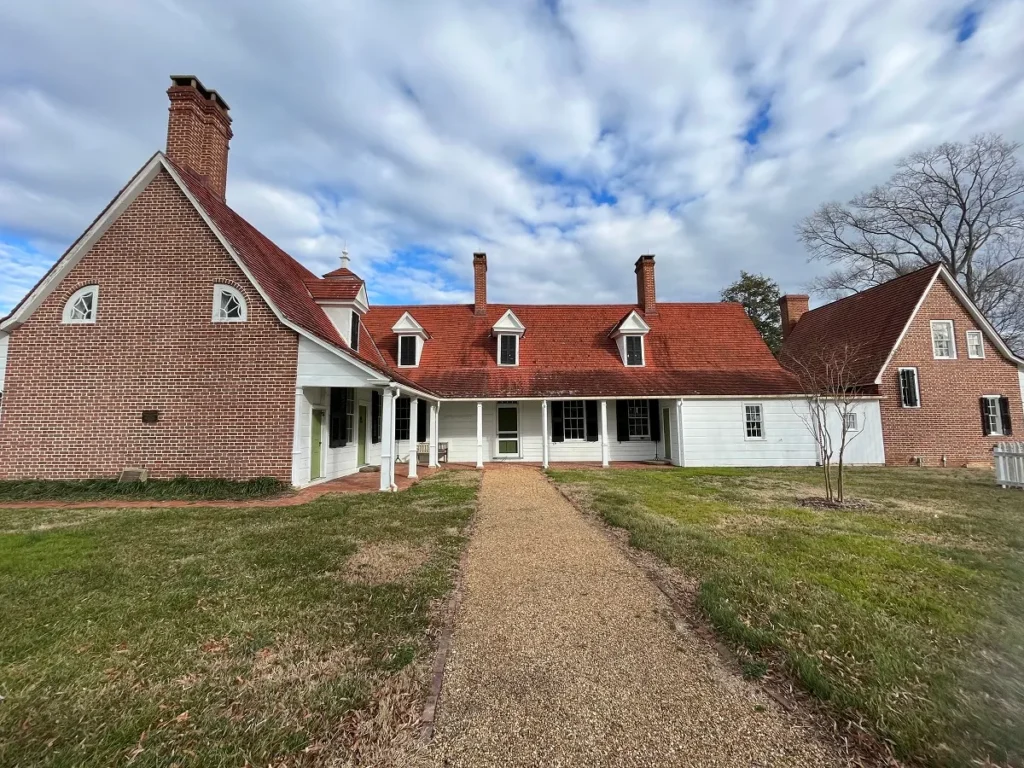
The new Visitor Experience Center represents a meaningful investment in that mission. Designed to better welcome visitors and expand interpretive space, the facility will host rotating exhibits and serve as a gateway to the site’s broader landscape—including the manor house, outbuildings, and the deeply significant surviving slave dwelling.
Importantly, the opening coincides with the launch of Sotterley’s 2026 tour season and features programming like “Revolutionary Maryland: Freedom of the Press Then and Now,” connecting local history to broader national themes as the country approaches its 250th anniversary.
Over the years, Preservation Maryland has supported places like Sotterley through advocacy, technical assistance, grantmaking, and storytelling efforts that elevate the importance of preserving not just buildings, but the full spectrum of human experience tied to them.
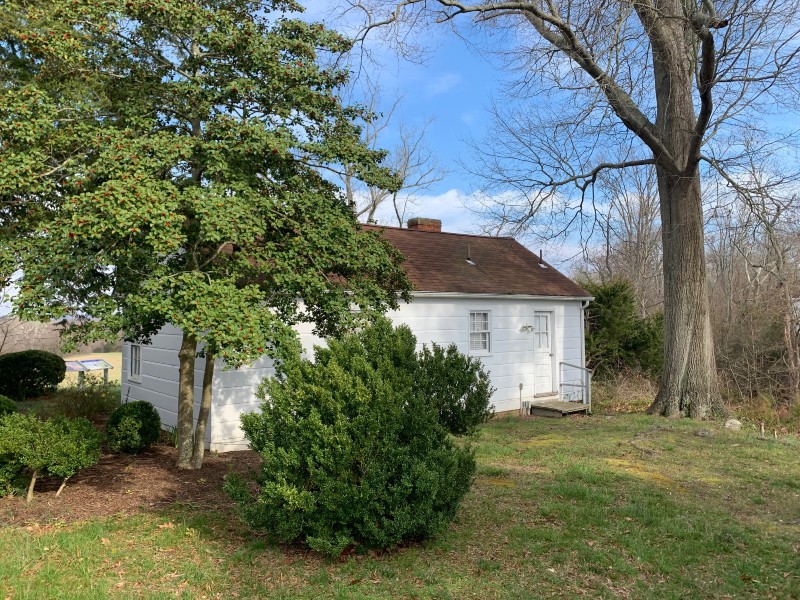
Sotterley’s evolution into a site that centers descendant voices and tells a more complete history reflects the very values Preservation Maryland works to advance statewide. From early preservation efforts that helped stabilize and protect historic structures, to broader conversations about inclusive interpretation, Sotterley has been part of a larger movement to ensure Maryland’s layered history is preserved. As Maryland prepares to commemorate the 250th anniversary of the United States, projects like this underscore a critical shift in the preservation field. It is no longer enough to simply save historic places; we must also invest in how their stories are told and who is telling them.