
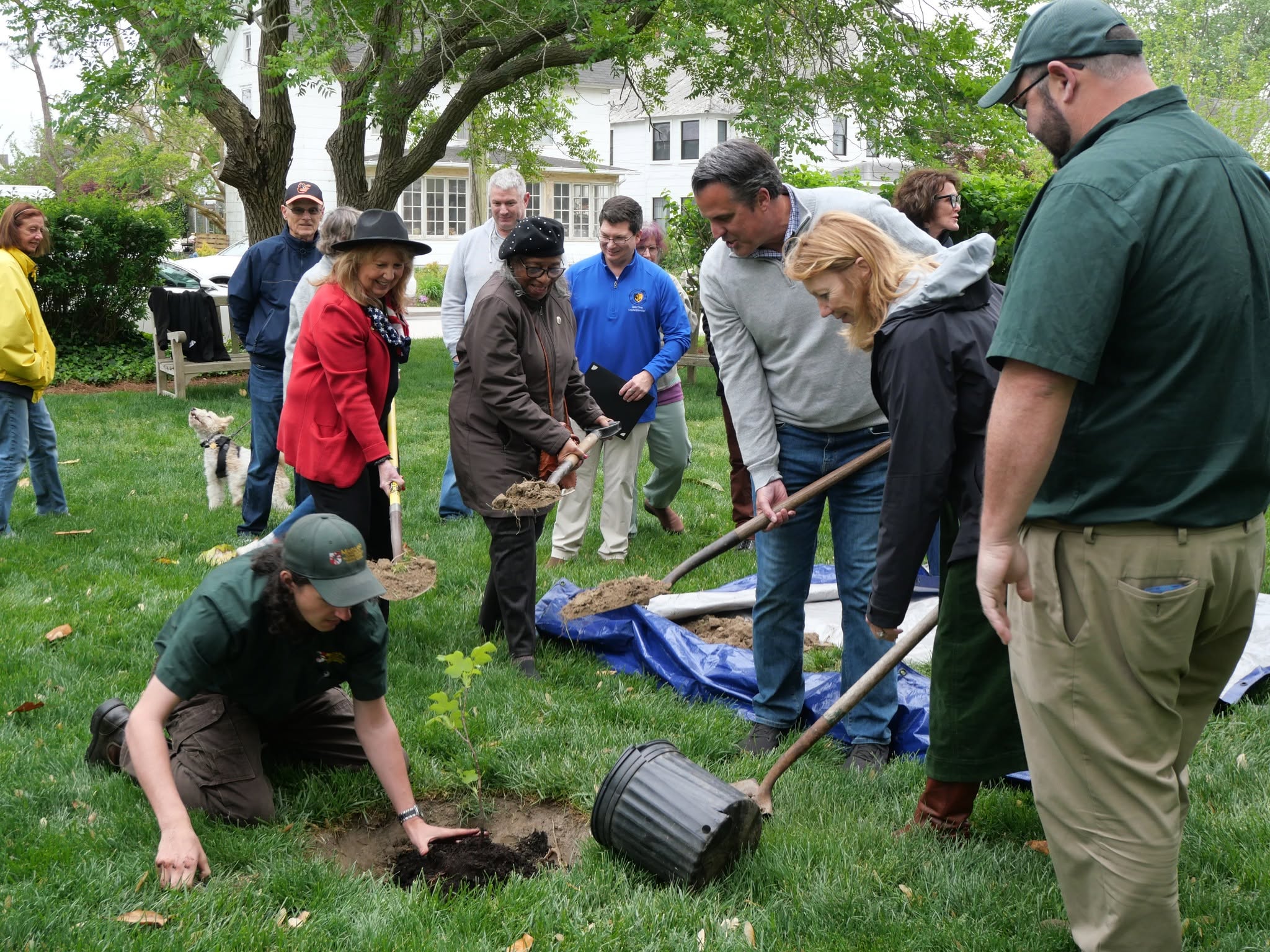
It’s been almost three months since the Maryland Liberty Tree Project put its first sapling in the ground at the William Paca House in Annapolis, and the project has been moving steadily across the state ever since. With Maryland’s 250th anniversary year in full swing, now feels like a good moment to check in on where things stand and what’s still ahead before the project’s end-of-2026 goal. As a refresher: the project is planting genetic descendants of Maryland’s original 1775 Liberty Tree — the Annapolis tulip poplar that was a gathering place for the Sons of Liberty and the last surviving Liberty Tree from the Revolutionary era — at historic sites in all 23 counties and Baltimore City in Maryland.
A Quick Recap of the Story
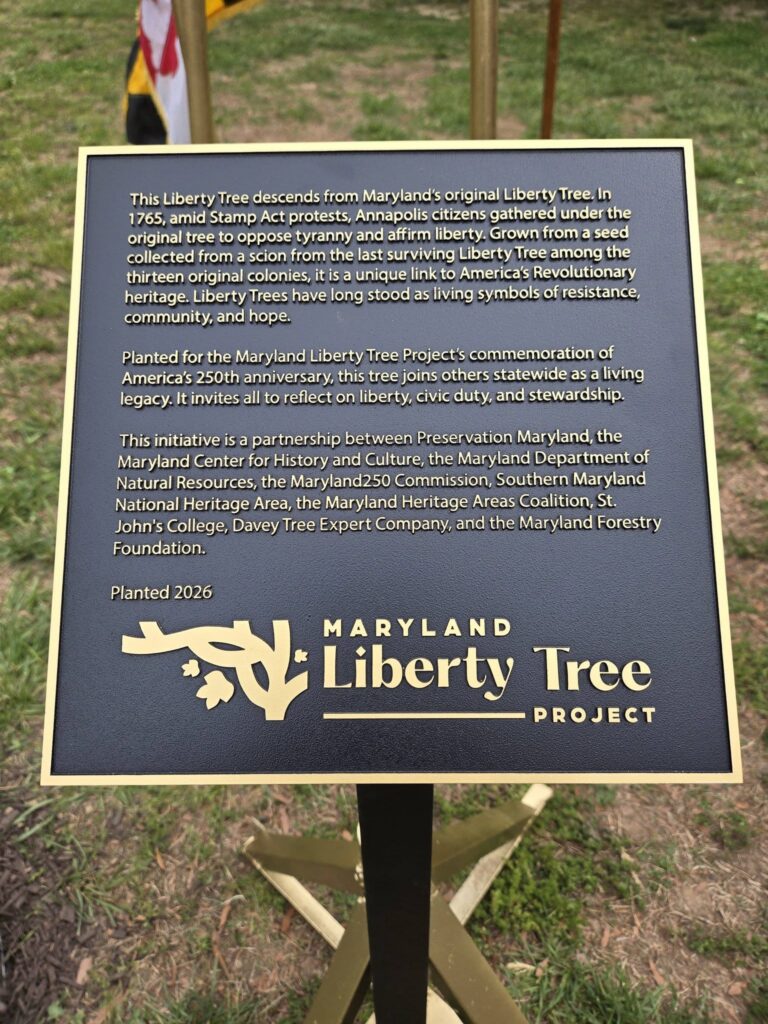
Liberty Trees were rallying points for the Sons of Liberty across the thirteen colonies, places where colonists gathered to protest British rule and organize resistance. Annapolis had its own Liberty Tree, a massive tulip poplar selected by local patriots in September 1775, growing on what’s now the campus of St. John’s College. It went on to become recognized as the last surviving Liberty Tree from the Revolutionary era, until Hurricane Floyd brought it down in 1999, but the tree’s legacy didn’t die with it. A genetically identical scion, planted on the St. John’s campus back in 1889, is still alive and well today. Seeds collected from that scion in 2016 and each fall after became the source of hundreds of seedlings, propagated through a partnership of St. John’s College, the Allegany County Forestry Board, the John S. Ayton State Tree Nursery, among other partners and groups. Those seedlings are the Liberty Trees now taking root statewide.
Looking Back
The kickoff in AnnapolisThe project launched on Maryland Day with a ceremony at the William Paca House and Garden in Annapolis. More than 100 people gathered to watch a small tulip poplar sapling get planted. Annapolis Mayor Jared Littmann spoke about the symbolism of reviving the Liberty Tree, and Jefferson Holland, Poet Laureate of Annapolis, recited Thomas Paine’s 1775 poem “Liberty Tree.” Officials from the Maryland Department of Natural Resources and Maryland Forest Service, along with Historic Annapolis groundskeepers, did the hands-on work of getting the sapling into the ground.
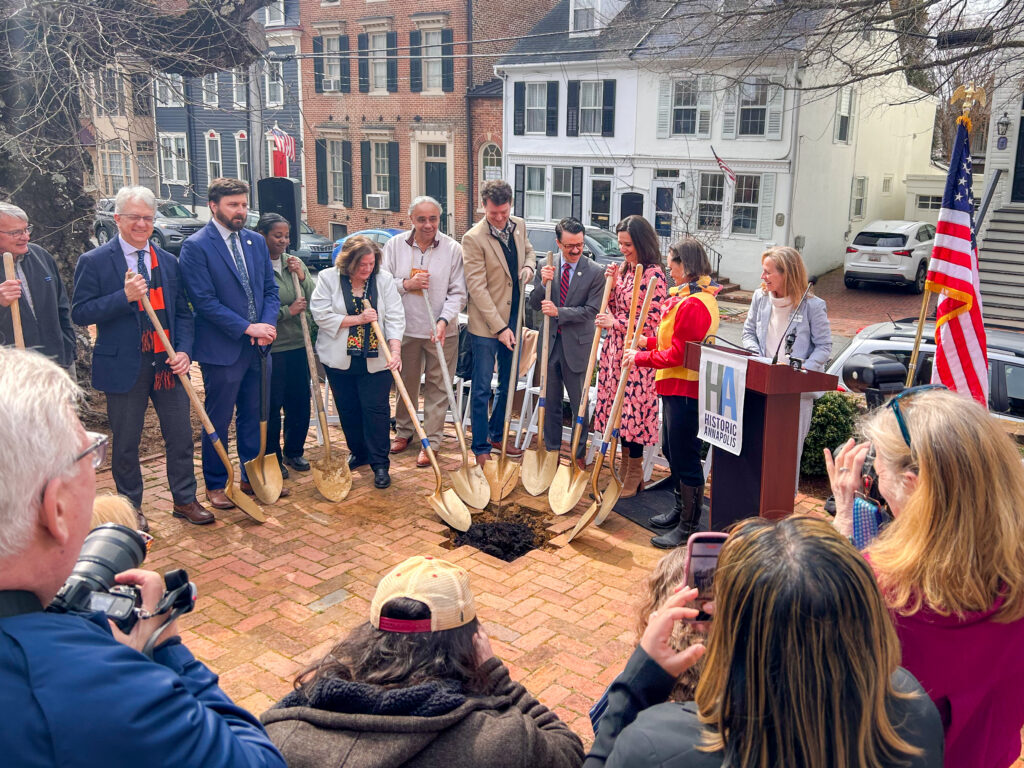
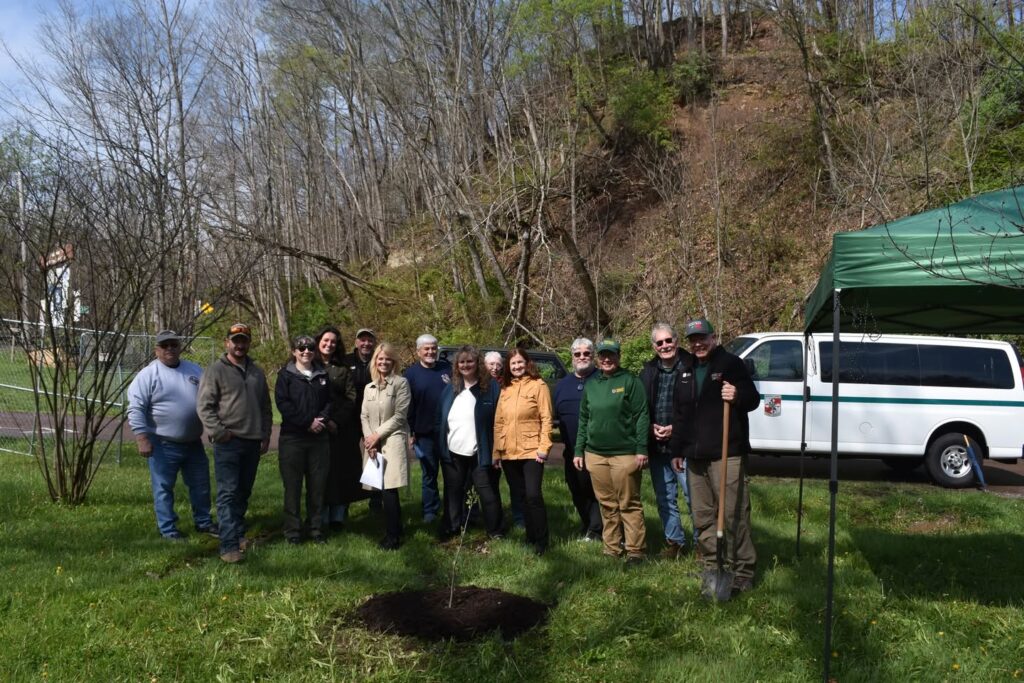
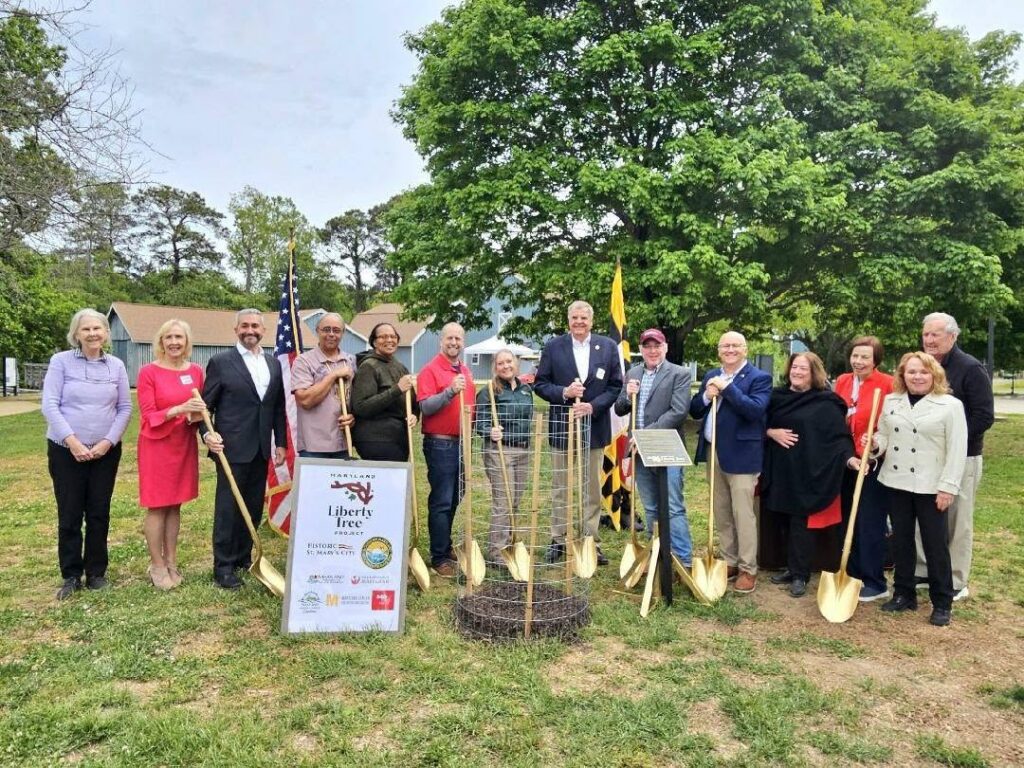
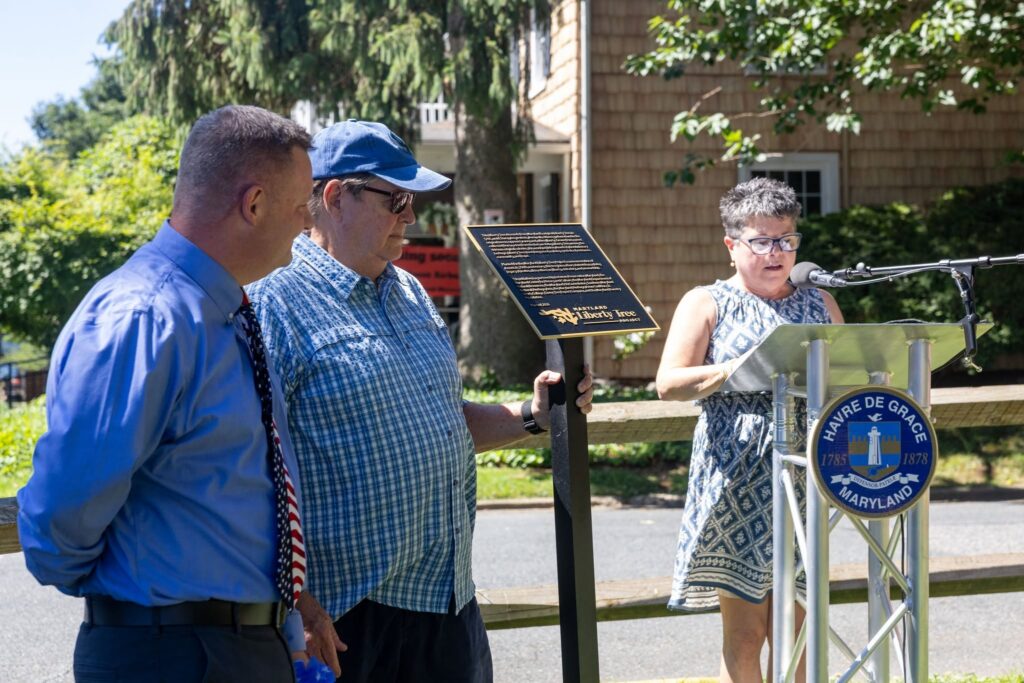
As of mid-June, more than half of the jurisdictions have their Liberty Trees in the ground, including:
Anne Arundel County / Annapolis — William Paca House and Garden
Howard County — Avalon, Patapsco Valley State Park
Dorchester County — Cambridge Women’s Club, Sycamore Cottage
Garrett County — Casselman Bridge State Park
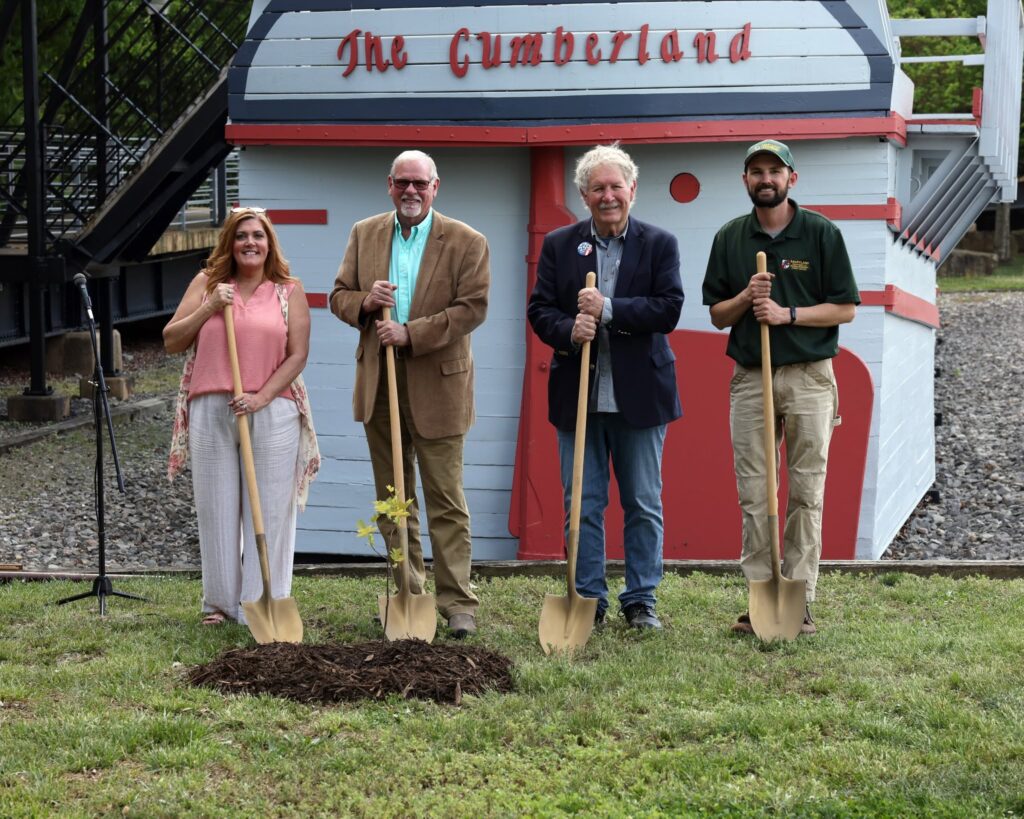
Allegany County — Canal Place Heritage Park
Washington County — City Park, Hagerstown, at the Hager House
Worcester County — Calvin B. Taylor House Museum
Prince George’s County — Accokeek / Piscataway Park
St. Mary’s County — Historic St. Mary’s City
Baltimore City — Druid Hill Park, Susquehannock Pavilion
Wicomico County — Pemberton Hall
Frederick County — Mount Olivet Cemetery
Harford County — Moore Family Homestead
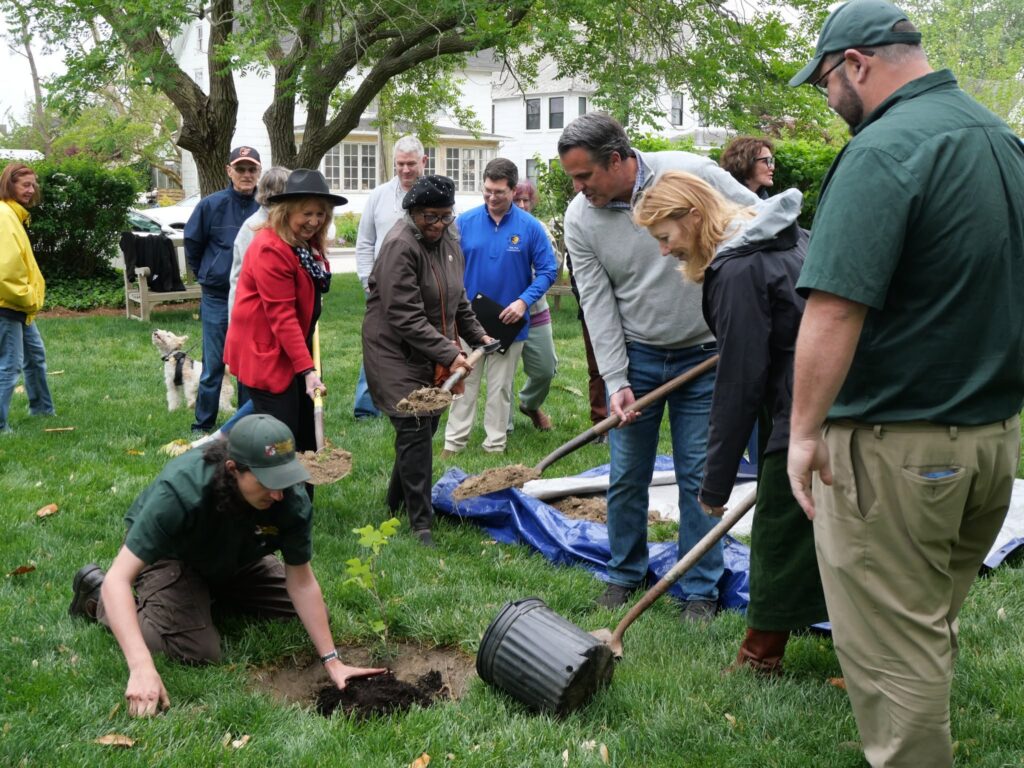
A look at some of the plantings from across the state:
As the calendar moves toward July 4 and Maryland’s own 250th milestones this year, it’ll be worth checking back in to see how each community marks the occasion in its own way.
The project is led by Preservation Maryland, the Maryland Center for History and Culture, the Southern Maryland National Heritage Area, and the Maryland Heritage Areas Coalition, with support from the Maryland250 Commission, the Maryland Department of Natural Resources, St. John’s College, Davey Tree Expert Company, and the Maryland Forestry Foundation.