
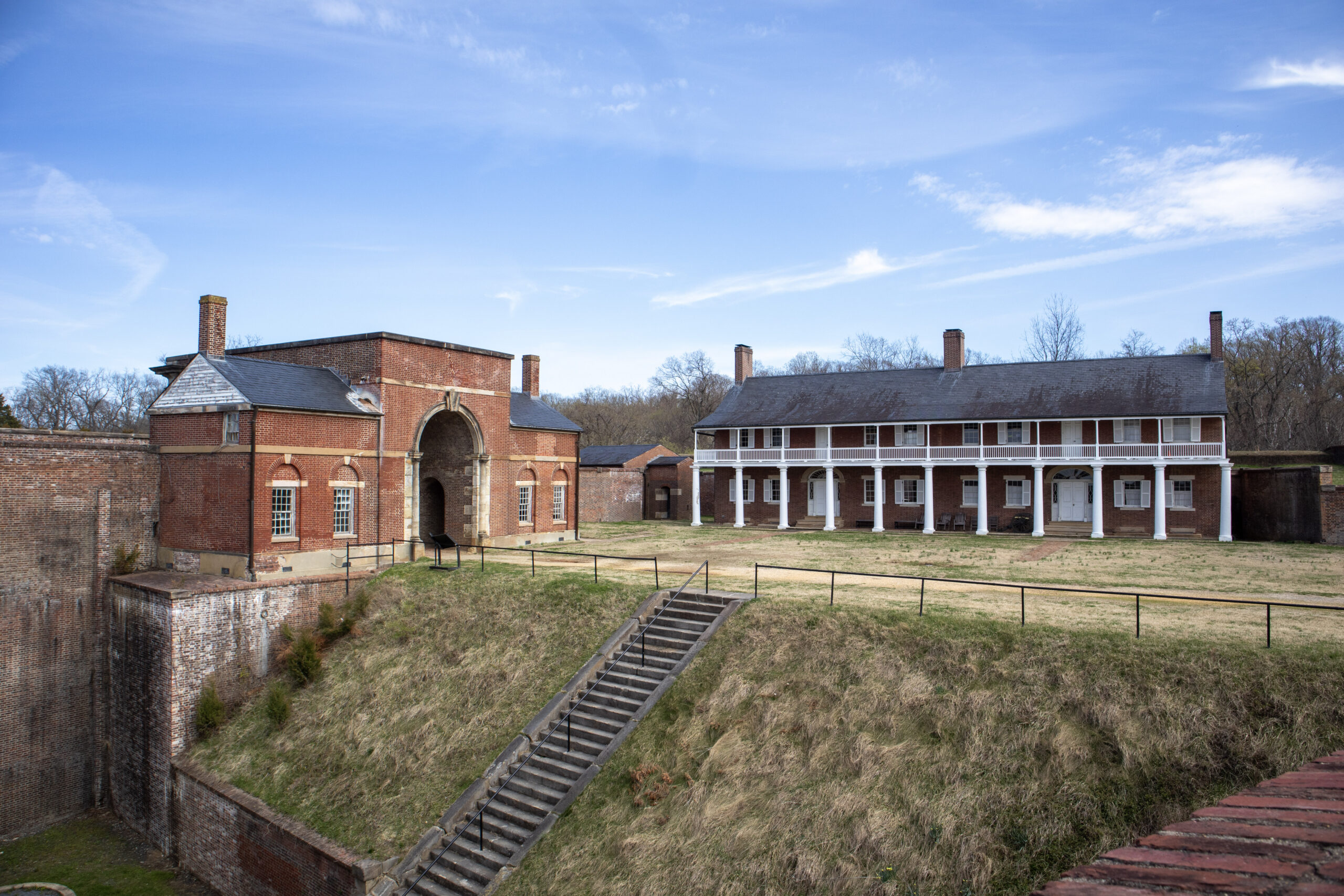
In the United States, the National Historic Preservation Act is the basis for saving and protecting historic places. One of the strongest tools in the Act, known as Section 106, requires federal agencies to consider the impact of their projects – and if that impact is adverse – requires that they consult with local communities to identify ways to avoid, or mitigate the damage to the resource.
Sec. 106 does not stop a project – it makes projects better and saves more history in the process. In fact, the National Trust for Historic Preservation has found that the nationwide average for a review is 16 days, and that 98% of those reviews conclude that the project will have no adverse effect on nearby historic resources.
Now, a proposed bill in the US Senate aims to strip this basic protection from the law.
The language of the bill would constrain the Section 106 process – curtailing public and tribal input, narrowing the scope of analysis and restricting legal remedies for violations.
What would this mean for your community?
Across Maryland, this law has helped communities work with federal agencies to shape decision-making about projects large and small. If the bill passed as proposed, local community input would be largely missing from federal projects – including those involving federal permits.
Data centers.
Pipelines.
Transmission lines.
Each of these controversial categories of projects often require federal permitting. Without Section 106, they could proceed without meaningful public input or review as to the historic resources they might damage.
Battlefields.
National Historic Landmarks.
Historic bridges.
These are all resources right here in Maryland that have benefitted and have been preserved for future generations thanks to Section 106. Without it, future threats to these types of resources could proceed without any substantial public input, consideration of alternatives, or even basic documentation.
We can build more & faster and still save history.
Choosing between history and growth is not necessary. We can have both. That’s been proven repeatedly – and finding reasonable updates to Sec. 106 is something the preservation community is well equipped to do. This bill isn’t the way to accomplish that.
What can you do?
For Marylanders, it’s simple.
Contact your federal legislators – especially Senator Alsobrooks and Senator Van Hollen and urge them not to support S. 5653 (Bipartisan American Affordability and Jobs Act).
Together, we can make this proposal history.
More Information