
Revitalize Historic Properties in Maryland’s Canal Towns
Funding is available to help bring vacant and underutilized historic buildings back into productive use along Maryland’s three historic canals.
Investing in the Future of Maryland’s Canal Communities
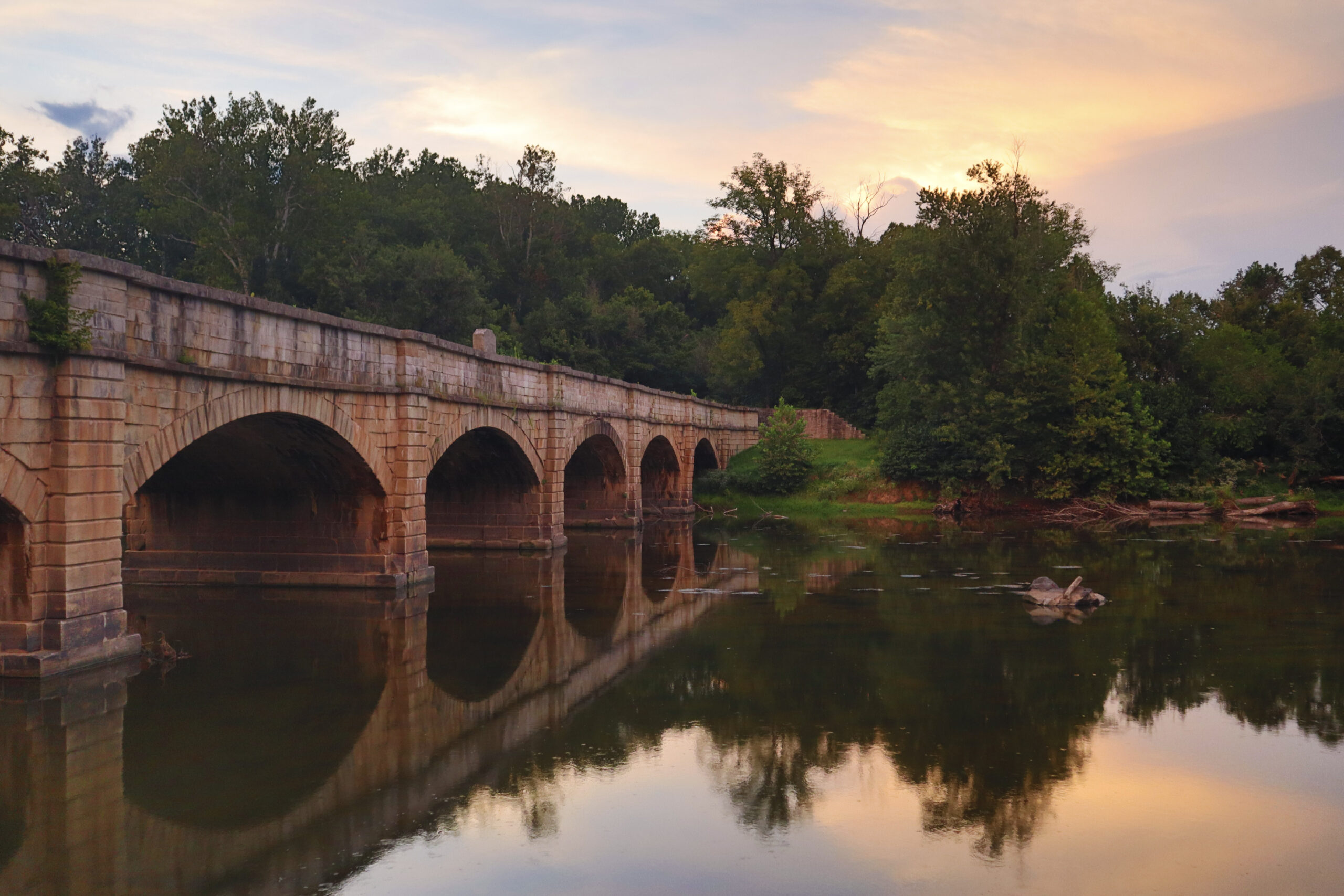
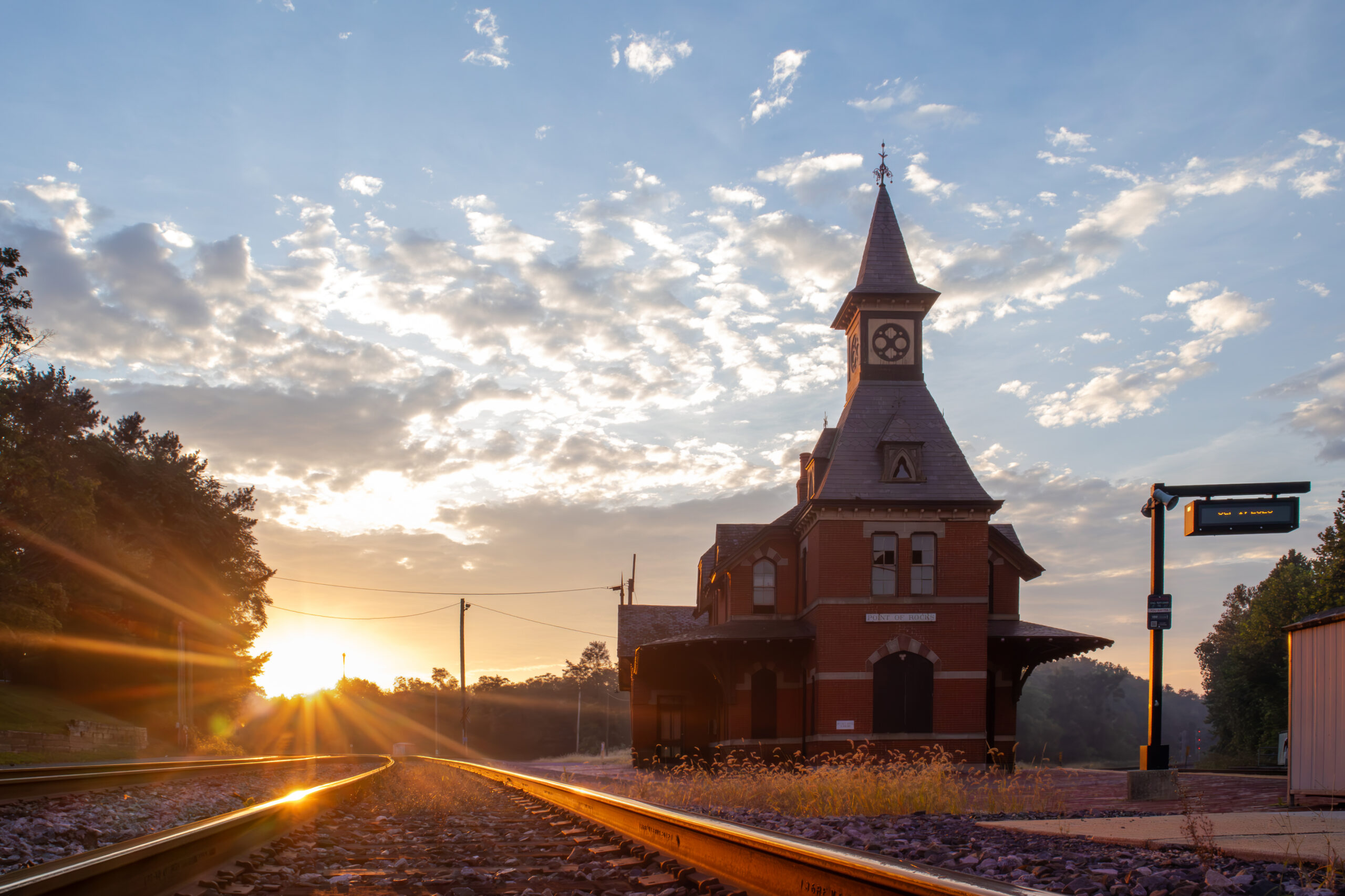
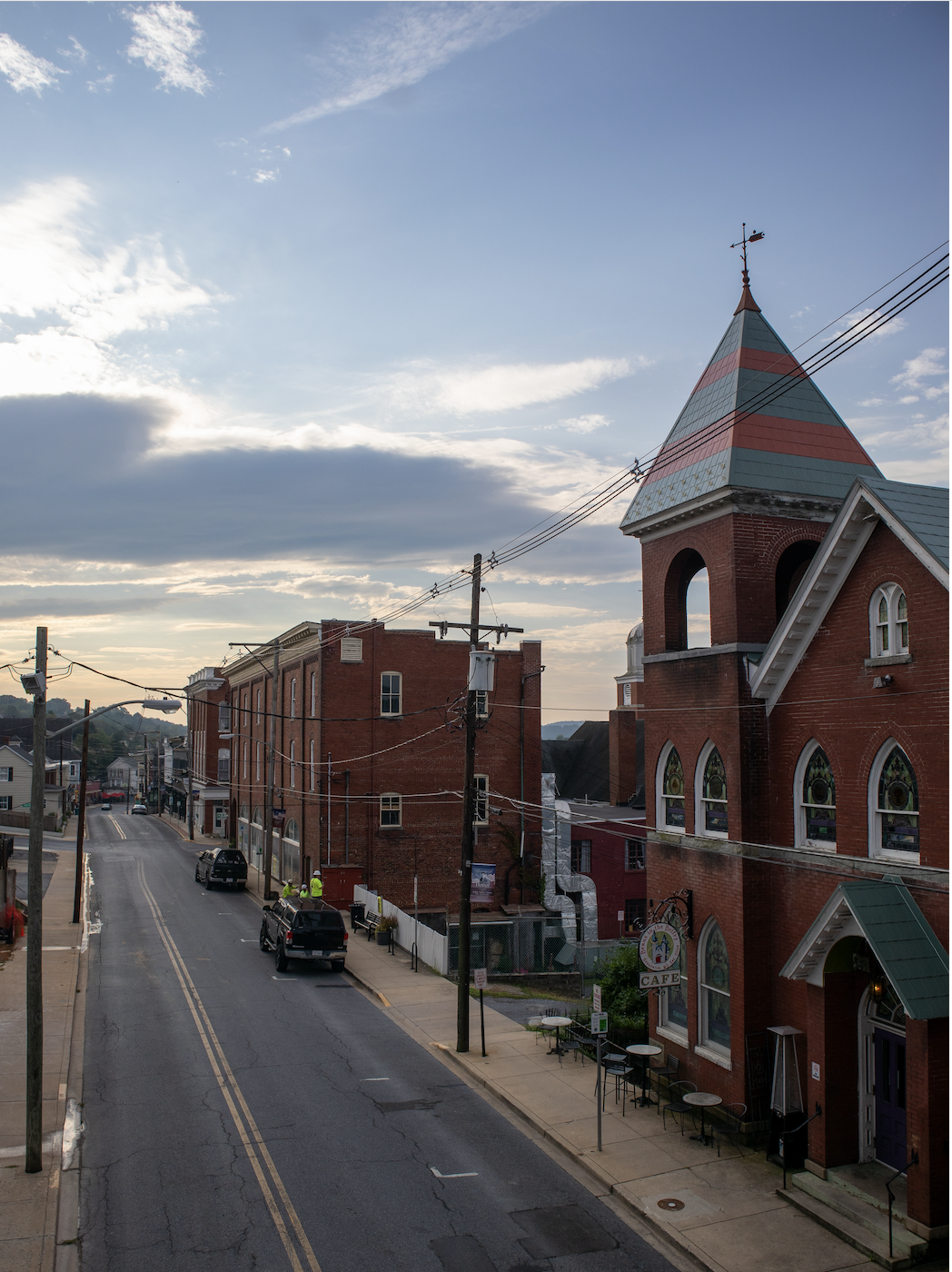
The Maryland Canal Towns Reinvestment & Revitalization Initiative (CTRR) supports the rehabilitation of endangered and underutilized historic properties in communities connected to Maryland’s three historic canals. Once sustained by canal traffic and related industries, many of these towns experienced disinvestment as transportation patterns and local economies changed. Today, while heritage and recreational tourism offer new opportunities, historic downtowns and main streets still need investment to become active economic and community assets. CTRR provides direct funding assistance for preservation-focused rehabilitation projects that return vacant or underused historic buildings to productive use, helping canal communities preserve their character while building a stronger future.
How to Use the Program Guidelines
The guidelines are the primary reference for the Canal Towns Reinvestment & Revitalization Initiative. Use them to confirm eligibility, understand the competitive review process, prepare a complete scope and budget, document matching funds, and plan for reimbursement, reporting, and preservation requirements. Read every appendix before submitting your application.
Eligible projects must be located within canal towns or adjacent communities along the three historic canals of Maryland, Chesapeake & Ohio Canal, Chesapeake & Delaware Canal, and Susquehanna & Tidewater Canal. The property must be located within the designated eligible canal zones, which includes communities approximately no more than 2 miles from the canal.
Have Questions?
1. In-person Q&A 1: Thursday, October 8, 2026 12:00 PM – 1:00 PM ET; C&O Canal Headquarters, 142 W Potomac St, Williamsport, MD 21795
Register: https://secure.everyaction.com/XLw0ek0pJE2y7Uhv46yowQ2
2. In-person Q&A 2 (Havre de Grace) TBA
3. Virtual Information Session: 12:00 pm on Friday, October 16th
CTRR Grant Program at a Glance
$572,844 in Anticipated Funding
Approximately $572,844 is expected to be available for eligible rehabilitation projects in Maryland canal towns and communities.
5–10 Projects Expected
Preservation Maryland anticipates awarding grants to approximately five to ten competitive projects.
Awards From $20,000 to $150,000
Individual grant awards will range from $20,000 to $150,000 based on project needs, scope, and eligibility.
25% Match Required
Selected projects must provide a 25% cash or in-kind match to support the proposed rehabilitation work.
Reimbursement-Based Grants
Grant funds are paid after approved work is completed in accordance with the project’s authorized scope of work.
Rehabilitation for Productive Use
Funding supports rehabilitation projects that reactivate vacant or underutilized historic buildings for meaningful community and economic use.
Program at a Glance
CTRR funding helps bring vacant and underused historic buildings in Maryland’s canal communities back into productive use.
Awards
Projects Anticipated
%
Required Match
Project Completion
CTRR Program Timeline
Follow key application, review, award, project, and reporting milestones from launch through the close of the National Park Service grant term.
September 2026
Applications Open
The CTRR application opens September 21. Virtual and in-person office hours to be announced.
November–December 2026
Applications Close & Review Begins
Applications close November 6. Preservation Maryland staff and the National Park Service conduct preliminary review throughout November, followed by final Executive Committee approval in December.
January 2027
Awards & Contracts
Selected applicants are notified, award confirmations are completed, and subgrant agreements are executed so approved projects can move forward.
January–September 2027
Projects, Reports & Grant Closeout
Awarded projects proceed through August 2027, with quarterly reports due in March and June and final reports due August 1. The National Park Service grant term ends September 30, 2027.
From Application to Completed Project
1
Apply & Submit Your Project
2
Review, Award & Contract
3
Complete Work & Report Results
Awardee Forms & Project Administration
Selected applicants will work with Preservation Maryland to finalize a Subgrant Agreement and project documents. Awardees must follow the approved scope, schedule, and budget; maintain required preservation protections; submit quarterly reports; and request reimbursement after eligible work is completed. The project sign, reimbursement request, final report, and related forms support consistent project administration through the grant term.
Frequently Asked Questions
Find answers to common questions about applying for and administering a Canal Towns Reinvestment & Revitalization Initiative grant.
Who is eligible to apply for CTRR funding?
Applicants must propose an eligible rehabilitation project for a qualifying historic property located in a designated CTRR-eligible canal town or community. Review the updated Program Guidelines for applicant eligibility, ownership requirements, and all submission instructions.
What properties and communities are eligible?
Funding is intended for endangered or underutilized historic properties in designated communities along Maryland’s three historic canals. Projects should return vacant or underused historic buildings to productive use. Confirm both property and community eligibility in the Program Guidelines before applying.
How much funding is available, and is a match required?
Individual grant awards are expected to range from $20,000 to $150,000. Awardees must provide a 25% cash or in-kind match. The proposed match should be clearly documented in the application budget and supported by realistic project costs.
When will grant funds be paid?
CTRR is a reimbursement grant program. Awarded funds are paid after the approved work has been completed and the required reimbursement documentation has been submitted and accepted. Applicants should plan to cover project costs before reimbursement.
Are preservation protections and reports required?
Yes. Awardees will be required to execute the applicable preservation agreement or easement and comply with the approved scope of work. Quarterly reports are due during the project period, and a final report and reimbursement request are required at project completion.