
Freedman's State Park
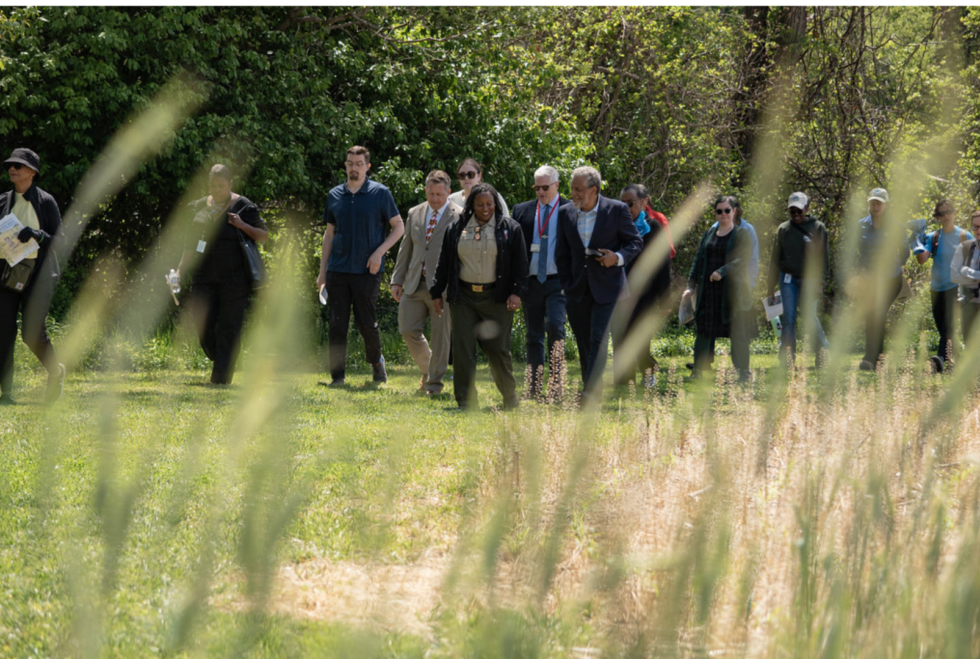
Working with the Maryland Department of Natural Resources and project partners, Preservation Maryland is helping shape land conservation strategies, passive recreation opportunities, and meaningful historic interpretation across more than 1,000 acres. Building on a Cultural Landscape Report completed in 2025, the planning process will support long-term stewardship of the Howard family’s historic landscapes, sites, and stories for generations to come.
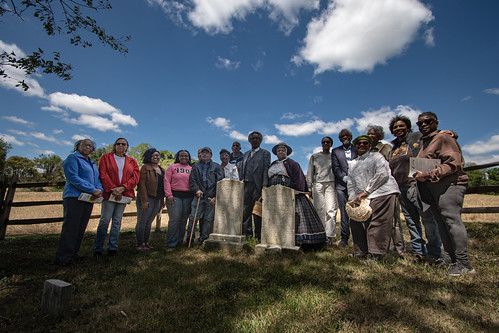
1,000+ Acres Protected
Conserved landscapes connect natural beauty with a defining chapter of Maryland history.
A Legacy of Self-Determination
Discover how Enoch and Harriet Howard built freedom, family security, and community leadership.
History Still Being Revealed
Ongoing preservation, restoration and archaeological work continue to deepen our understanding of this place.
Preserving a Fuller Story of Maryland
Freedman’s State Park protects more than 1,000 acres in Montgomery County connected to the Howard family, preserving a cultural landscape shaped by enslavement, emancipation, land ownership, community leadership, and civil rights advocacy. At its heart is the extraordinary story of Enoch George Howard and Harriet Howard, whose determination changed the future of their family and transformed the meaning of the land beneath their feet. Once enslaved by the Griffith family, Enoch used his farming knowledge and business skill to earn and save money for his own freedom. He then purchased freedom for Harriet and their children, building a foundation of security and self-determination in the face of extraordinary injustice.
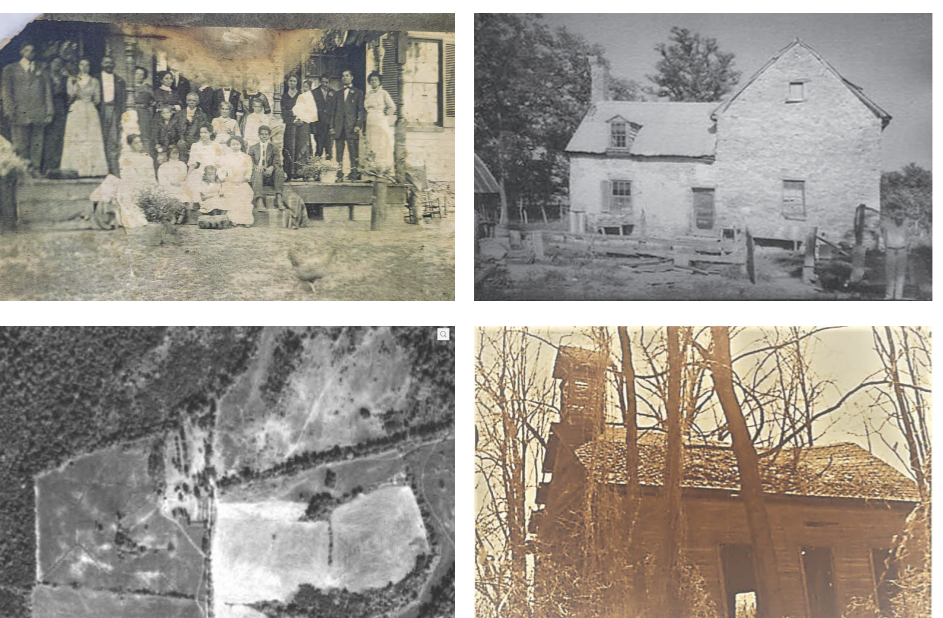
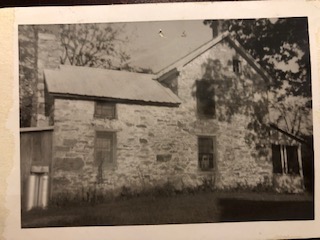
In 1862, Howard acquired the Locust Villa plantation property, including land where members of his family had once been enslaved. That act remade a landscape tied to bondage into a place of ownership, opportunity, memory, and Black leadership. Today, the park includes the Howard Family Cemetery, Howard Chapel Cemetery, the ruins of Locust Villa, the John Howard House, and the Greenbury Howard House, now undergoing restoration. Ongoing archaeological investigations are uncovering new details about the family and the community they built after emancipation.
As the park develops, conservation, passive recreation, and thoughtful historic interpretation will help visitors encounter the natural environment alongside the people who shaped it. Freedman’s State Park is more than protected acreage—it is a lasting commitment to telling a fuller, more honest history of Maryland and preserving the stories that future generations need to know.
Enoch George Howard’s Path to Freedom
From enslavement in Montgomery County to ownership of Locust Villa, Enoch George Howard’s life reflects courage, enterprise, and an unwavering commitment to freedom for his family.
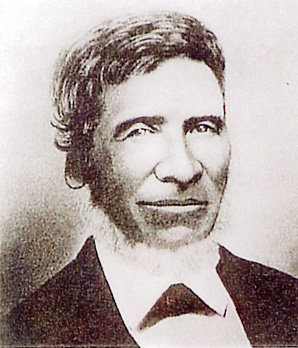
Enslaved in Montgomery County
Enoch George Howard was enslaved by the Griffith family, learning the farming skills and practical knowledge that would later support his pursuit of independence.
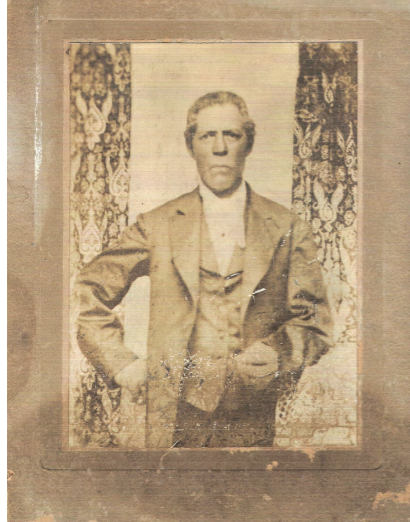
Earning His Own Freedom
Through hard work, farming expertise, and business acumen, Howard saved enough money to purchase his freedom—an extraordinary act of self-determination in a system designed to deny it.
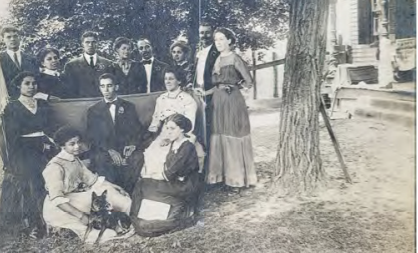
Securing Freedom for His Family
Howard continued to save and work toward freedom for Harriet, their children, and other members of his family, turning personal liberation into a shared future.
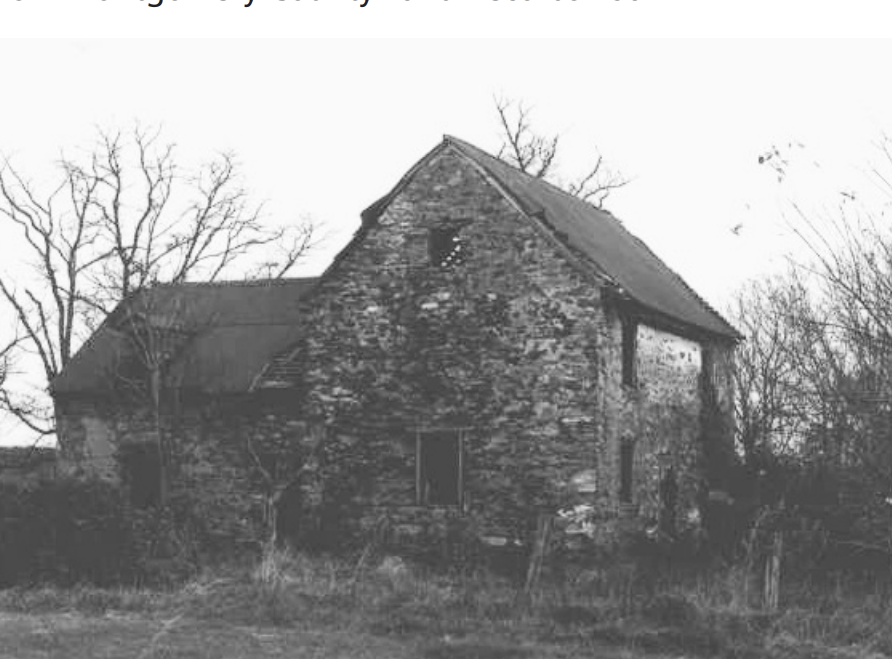
Purchasing Locust Villa
During the Civil War, Howard purchased the Locust Villa plantation property, reclaiming land where his family had once been enslaved and establishing a powerful legacy of ownership, community, and opportunity.
Landscapes of Freedom, Memory & Leadership
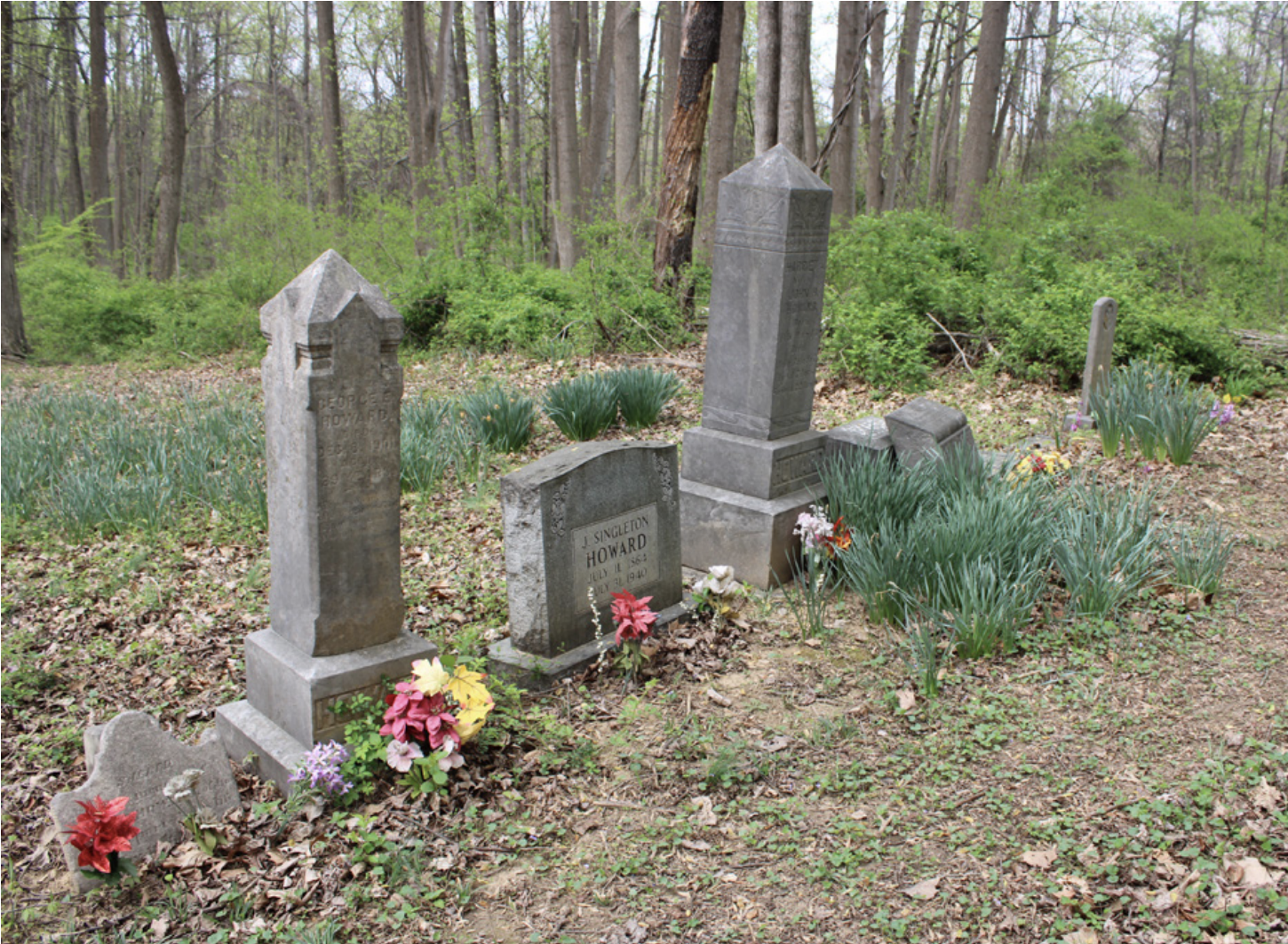
Howard Family Cemeteries
The Howard Family Cemetery and Howard Chapel Cemetery honor generations whose lives, faith, and leadership helped build a thriving community after emancipation.
Historic Sites & Archaeology
From the ruins of Locust Villa to the restoring Greenbury Howard House, ongoing archaeological discoveries continue to reveal the story held within this remarkable landscape.
Planning for Preservation & Public Connection
Join us for the first public meeting for the Freedman’s State Park Master Plan
Freedman’s State Park is undergoing a Master Plan process to design an experience that honors the history and voices connected to this site. This project is led by a planning team including Preservation Maryland, the Maryland Department of Natural Resources (DNR), and planning lead Unknown Studio.
We’re inviting the public to join our first community meeting to learn more about the project and get involved.
What to expect
- An overview of the project and its goals
- A walk-through of the master planning timeline
- An overview of the community engagement process
- Highlight specific points along the way where you can get involved
We’re offering two sessions: one in-person session in Sandy Spring, MD, and one virtual session.
Option 1: In-Person Meeting
- Date: Saturday, October 24, 2026
- Time: 9:30 am to 12:00 pm Eastern Time
- Location: Sandy Spring Museum, Room: Willow Grove Cultural Commons, 17901 Bentley Rd, Sandy Spring, MD 20860
- Register in advance: https://secure.everyaction.com/zJ-eyVGtYkGA08SiSeNnRg2
Option 2: Virtual Meeting
- Date: Tuesday, October 27, 2026
- Time: 6:00 – 7:30 PM ET
- Join via: Zoom (you’ll receive a link prior to the meeting via the email with which you registered).
- Register in advance: https://secure.everyaction.com/Bc24H7PoaUGvVtFyhE5eaA2
Preserving places like Freedman’s State Park helps tell a fuller, more honest story of Maryland and the American experience—one visitors can encounter by walking in the literal footsteps of the Howard family.