
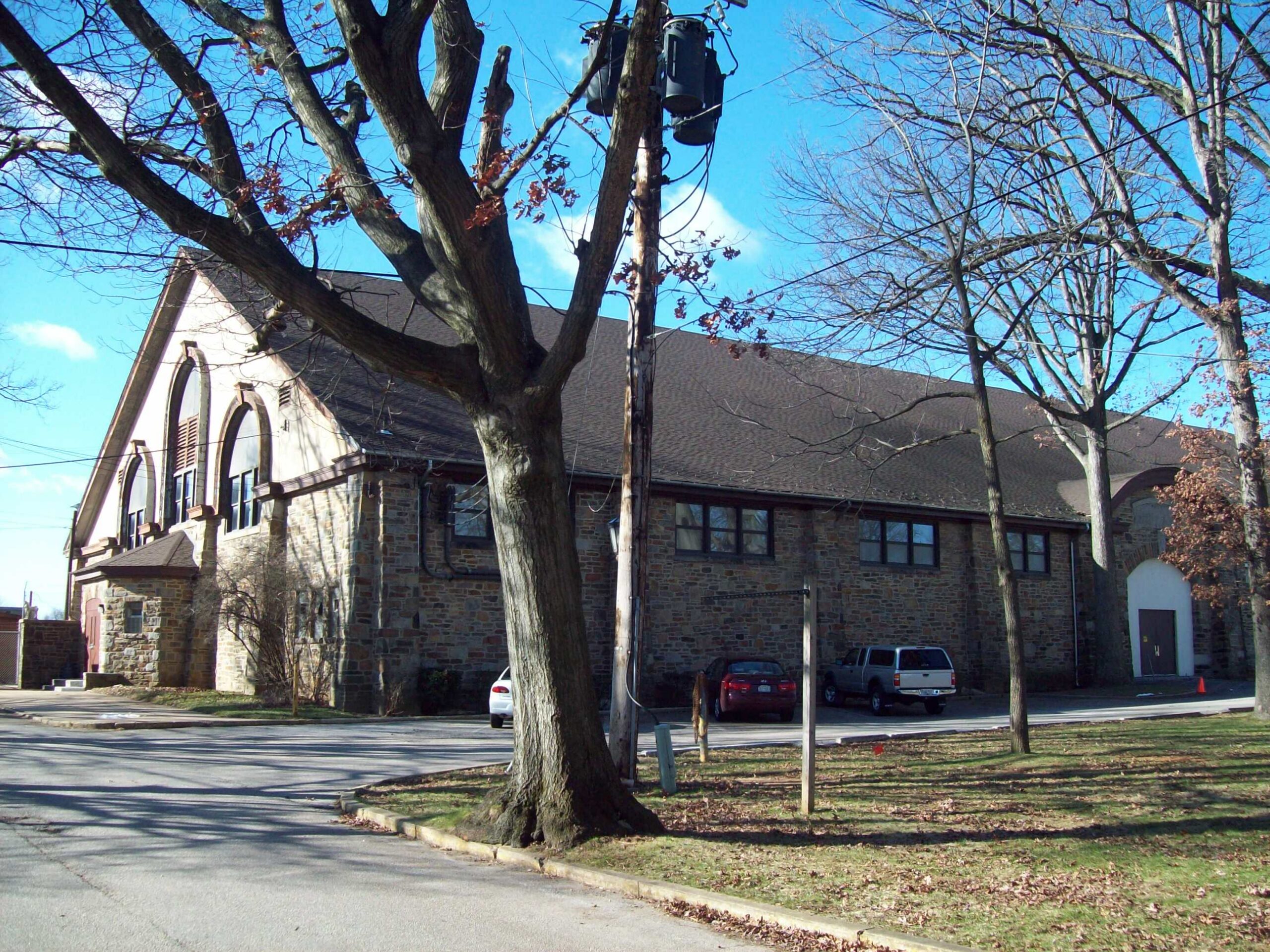
Maryland is continuing to put its historic buildings to work. The Maryland Historical Trust has awarded more than $18 million in historic revitalization tax credits to nine projects across the state, leveraging more than $85 million in additional investment and supporting an estimated 898 jobs. The awards, announced November 4 by Governor Wes Moore and the Maryland Department of Planning, will help breathe new life into historic buildings in communities across the state.
These buildings are being rehabilitated for new uses, including housing, commercial space, community uses, and other purposes that can help strengthen the communities around them.
Among the nine projects receiving 2027 tax credits are:
- The Diamond Building – Allegany County — $997,972
- The Castle at Mount Savage – Allegany County — $2,000,000
- Building 54 at the Crown Cork and Seal Highlandtown Plant – Baltimore City — $3,000,000
- Monumental Printing Company – Baltimore City — $1,800,000
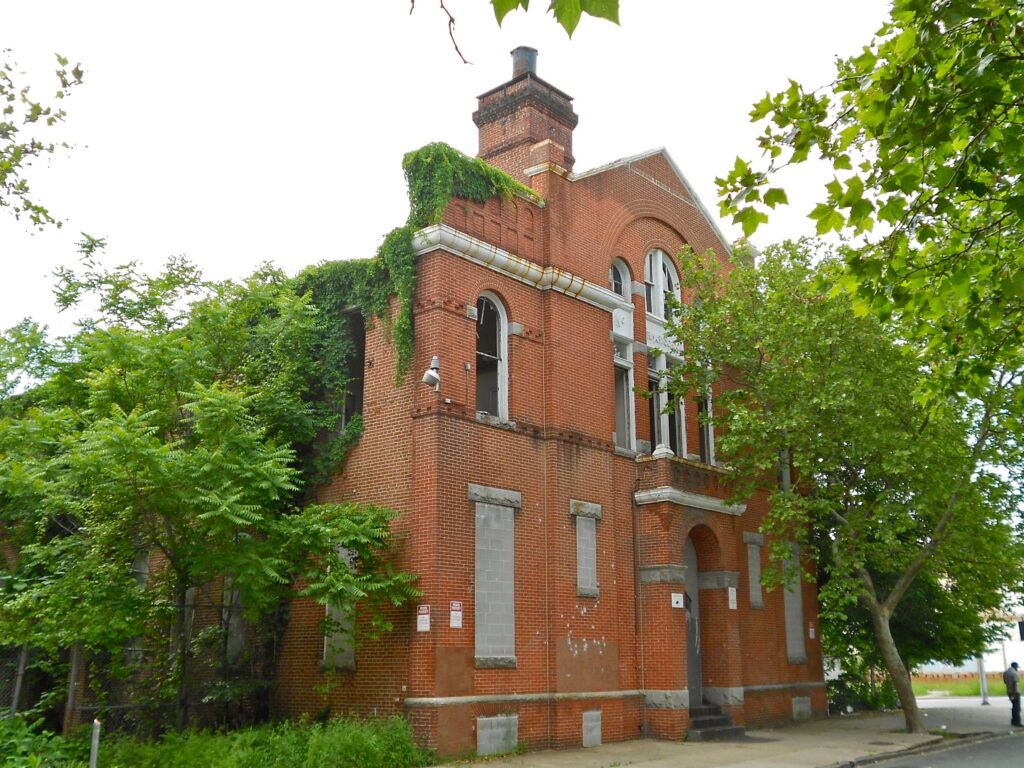
- Public School No. 111 – Baltimore City — $800,000
- Trinity Episcopal Church – Baltimore City — $437,500
- Pikesville Armory – Baltimore County — $5,000,000
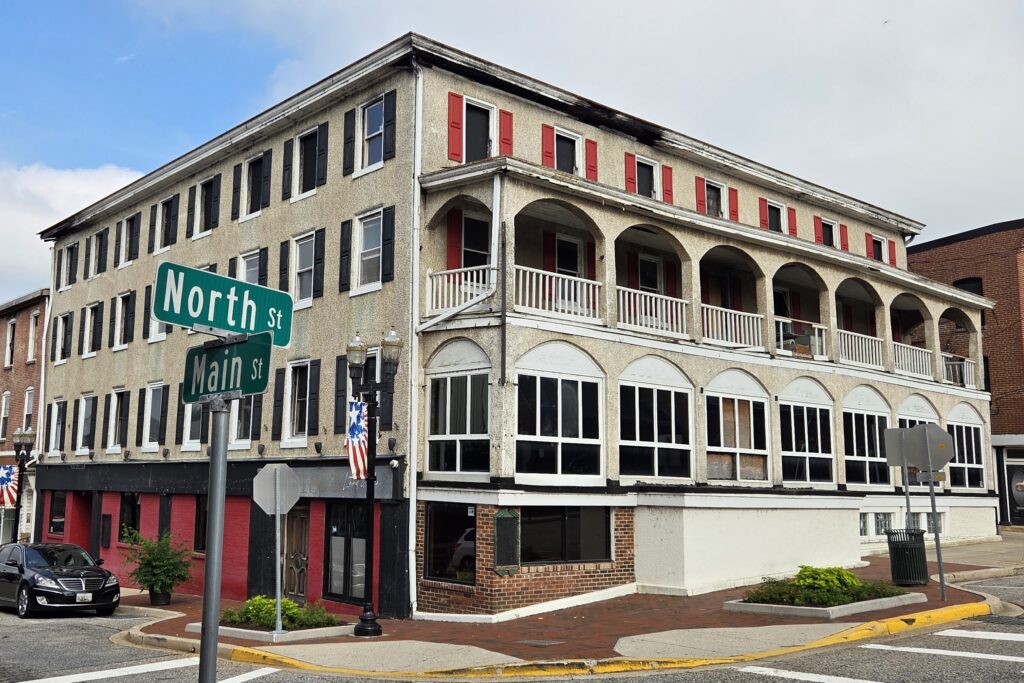
- Howard House – Cecil County — $1,872,189
- Centreville High School – Queen Anne’s County — $2,350,540
Total: $18,258,201 in historic revitalization tax credits.
Several of the projects will also create new housing, including the Diamond Building, Monumental Printing Company, Public School No. 111, Howard House, and Centreville High School. Putting existing buildings back into productive use while meeting current community needs is one of the most important roles historic preservation can play today.
Preservation is an Investment
Maryland’s Historic Revitalization Tax Credit Program, administered by the Maryland Historical Trust, has been encouraging private investment in historic buildings since 1996. Through state income tax credits, the program helps make rehabilitation projects financially feasible while ensuring that historic properties are treated as assets rather than obstacles to development.
Since the program began, more than $534 million has been invested in projects across Maryland. That investment has supported improvements to 5,961 homeowner properties and 918 commercial historic structures throughout the state.